
12 Coastal Chic Bedroom Ideas That Look Designer Styled
12 Coastal Chic Bedroom Ideas That Look Designer Styled
You’ve just unpacked a cheap white‑washed MDF nightstand, and it looks flat against the sea‑faded walls of your bedroom, leaving the space feeling more hotel lobby than shoreline retreat.
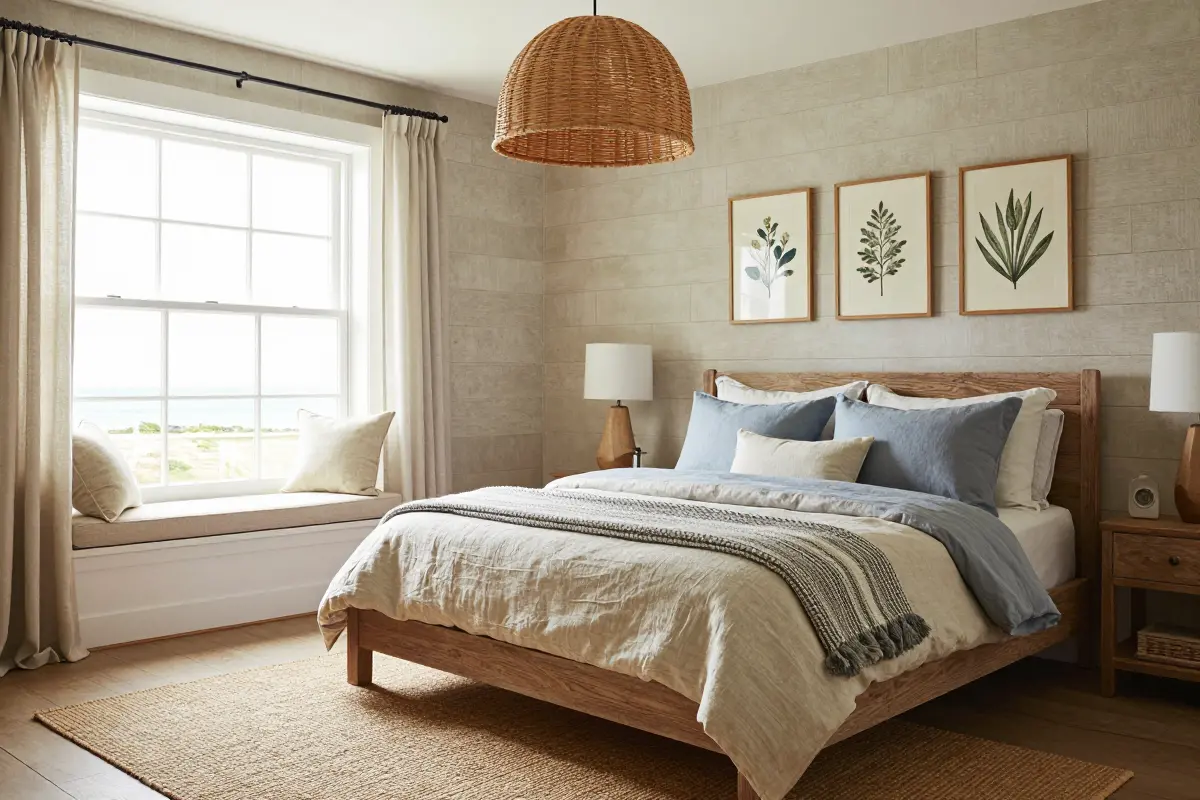
The list below swaps that sterile look for twelve grounded, coastal‑chic upgrades: weathered oak furniture, a single grass‑cloth accent wall, mud‑toned linen bedding, oversized rattan lighting, layered jute and cotton rugs, matte black hardware, vertical shiplap, muted ticking stripes, vintage botanical prints, a built‑in window bench, a built‑in window bench, warm antique brass accents, and high‑hung linen sheers.
Each idea comes with the real trade‑offs, from humidity and upkeep to cost and renter‑friendly swaps, so you can pick the upgrades that fit your room and your weekend.
1. Opt for Weathered Oak Over White-Washed MDF
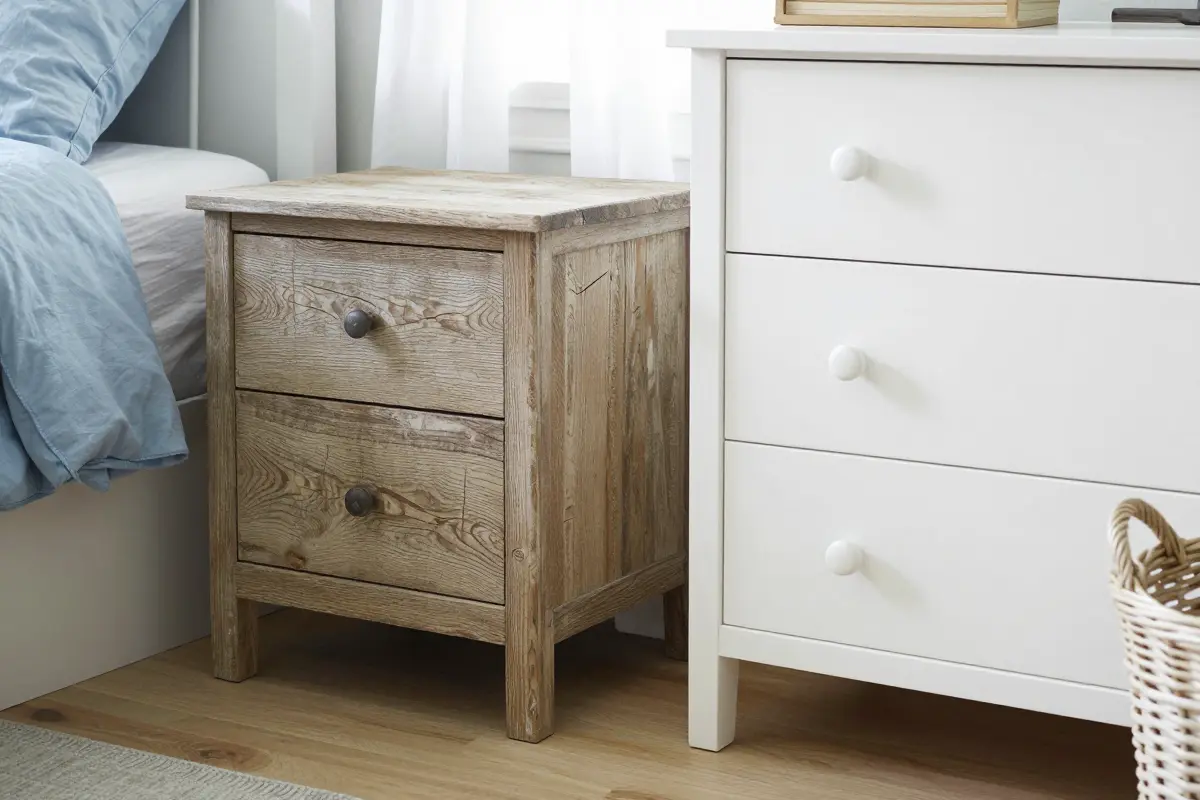
A weathered oak nightstand reveals a deep grain that a white‑washed MDF dresser simply covers up. Real oak or reclaimed wood adds genuine texture and ages gracefully in salty, humid coastal air, while MDF can swell and chip when moisture seeps in.
Because oak costs more up front, look for solid pine pieces at thrift stores, sand them smooth, then apply a gray driftwood oil stain to mimic driftwood tone without the price tag.
To keep the wood looking fresh, wipe it with a damp microfiber cloth and re‑oil every six months; avoid harsh chemicals that can strip the finish. The richer wood also boosts resale appeal. Start by testing the stain on an inconspicuous corner before treating the whole piece.
- authentic texture
- ages well in humidity
- higher upfront cost
- requires regular oiling
2. Layer Grasscloth Wallpaper in Neutral Tones
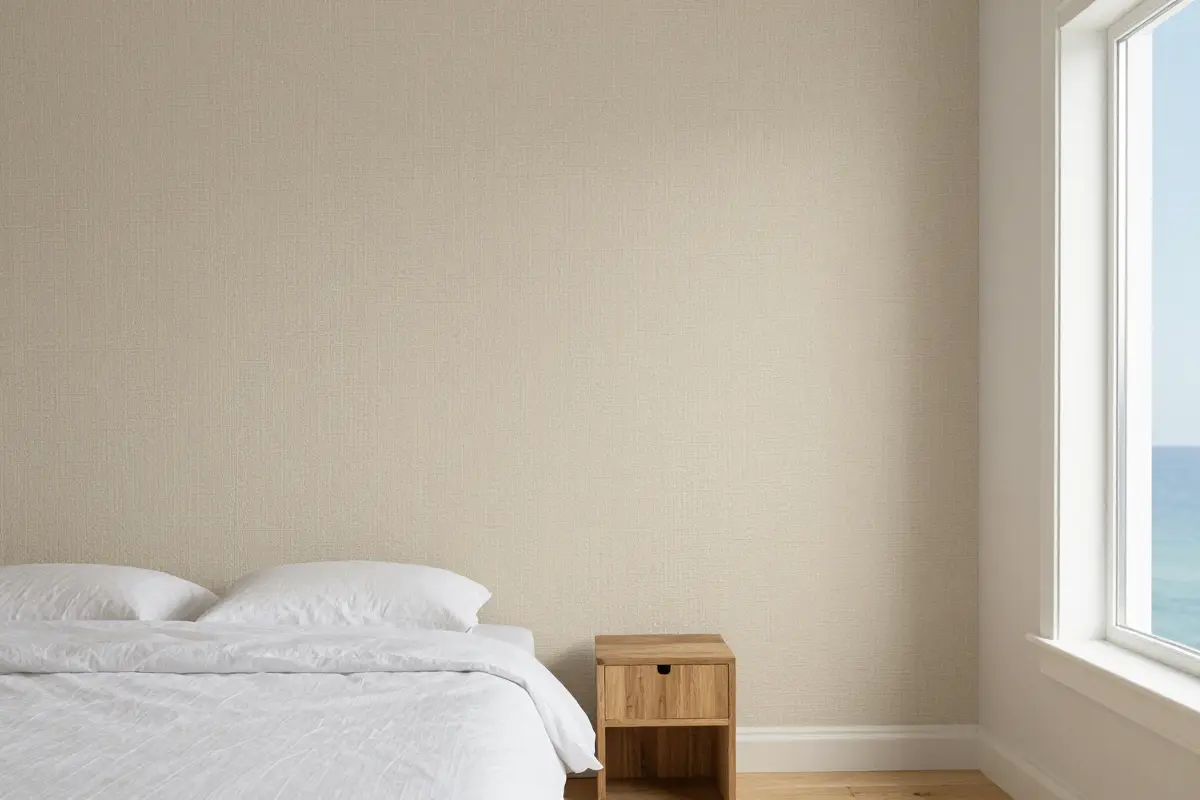
Grasscloth wallpaper, woven from jute and hemp, adds a subtle, tactile depth to plain drywall. Its natural fibers create a soft, three‑dimensional surface that feels built‑in. Material starts around $30 per roll, seams are visible, and installation is tricky; most DIYers hire a pro at $6-$15 per sq ft.
Moisture stains the fibers and the surface cannot be wiped clean, making humid rooms unsuitable.
Renters can use a peel‑and‑stick faux‑grasscloth under $20 per roll on a single headboard wall; it peels off cleanly. Apply to a smooth wall, level the paper, and press out bubbles for a seamless finish.
- rich texture
- natural look
- high cost
- moisture sensitive
Grasscloth can warp or stain when exposed to humidity
- Material: $30 per roll
- Installation: $6, $15 per sq ft
3. Switch to Slubby Linen Bedding in Muddy Neutrals

A duvet in drift‑gray linen draped over a low‑profile platform bed sets a calm, beach‑worn tone.
Choose slubby linen in sand, driftwood gray, or sage to keep the room feeling relaxed yet upscale. Pure linen bedding wrinkles instantly and needs regular, mindful washing to keep its soft drape without losing structure.
Layer a fitted cotton sheet underneath; it smooths the surface and lets you launder the linen less often.
If you prefer low‑maintenance, a cotton‑linen blend in the same hue gives a similar look with fewer wrinkles. Wash linen in cold water, tumble dry low, and skip the dryer sheet to avoid stiffness.
Add a lightweight, woven throw in a muted teal to introduce a subtle color pop without disrupting the neutral palette.
- soft drape
- natural texture
- wrinkles quickly
- needs careful washing
Place a fitted cotton sheet under linen to reduce wrinkling
4. Hang Oversized Woven Rattan Light Fixtures
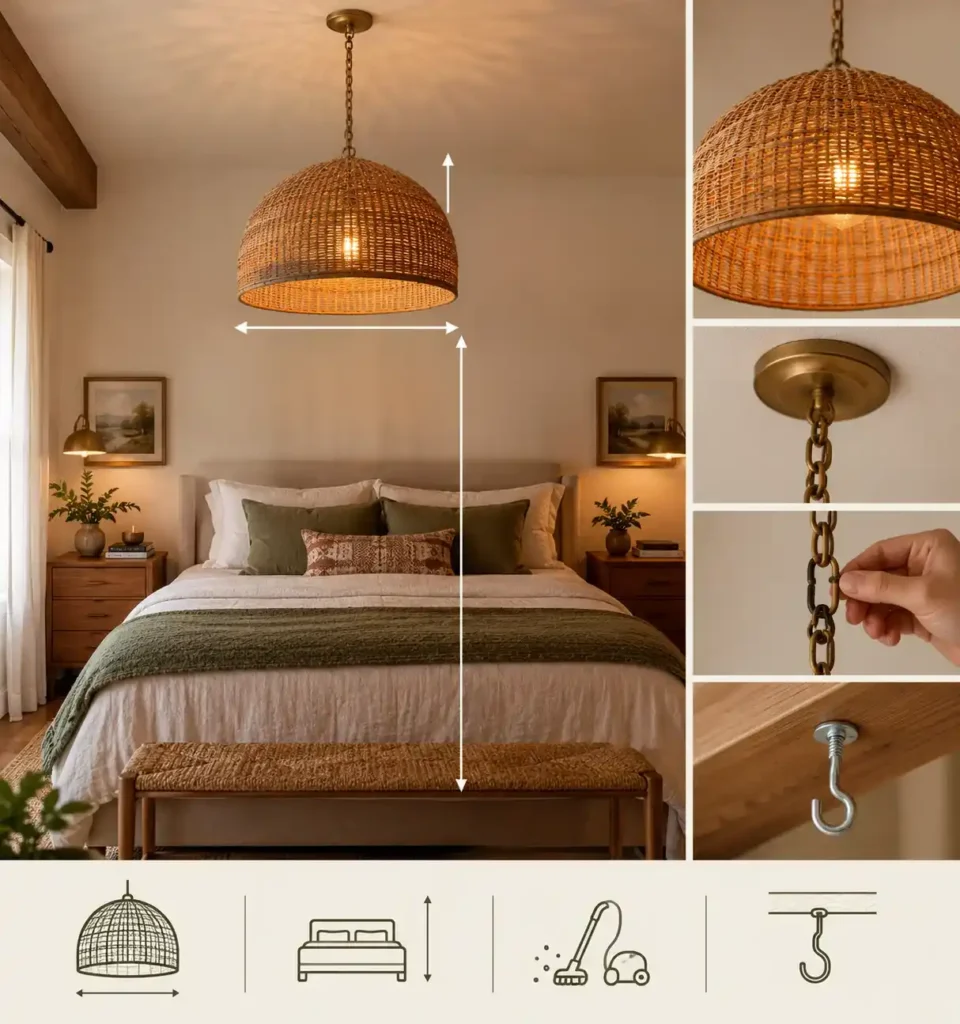
A 30‑inch woven rattan pendant hanging 28 inches above the mattress creates a clear focal point.
Choose a fixture roughly one‑third the bed’s width and keep the bottom at least 24 inches from the floor; ceilings under 8 ft should stay with a smaller 20‑inch model. Use an adjustable chain so you can raise the light if the first height feels too low.
The open weave pulls dust into its fibers, so vacuum weekly with a brush attachment to prevent buildup.
For renters, install a removable ceiling hook that screws into a joist and leaves the plaster untouched. The job is doable with a basic wire‑nut and a voltage tester, but a licensed electrician is safer for any wiring changes.
- natural texture
- sculptural impact
- dust attracts quickly
- dimming limited
Secure mounting to joist to prevent fixture falling
- Recommended diameter: 24‑36 in
- Clearance from floor: 24‑30 in
- Minimum ceiling height: 8 ft
5. Layer a Flat-Weave Jute Rug with a Soft Cotton Runner
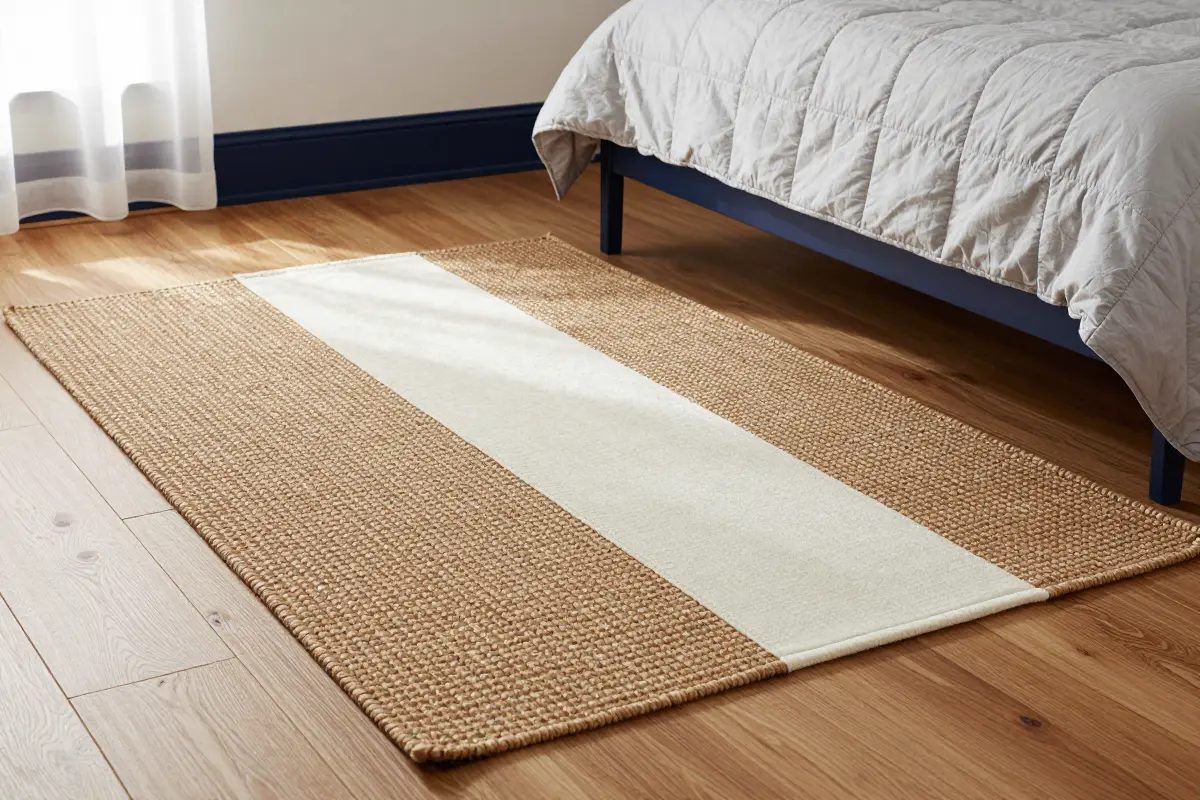
Morning foot traffic on a jute rug feels rough and scratchy. To keep the coastal vibe while easing the sting, lay a flat‑weave cotton runner over the most‑used strip of the jute.
The runner adds a soft, washable surface for bare feet and shields the jute from wear in high‑traffic zones.
Choose a runner 2‑3 feet wide to match the bed width and tuck the edges under the jute, so it stays flat. A common mistake is leaving the runner loose; it can slide and create a tripping risk. Spot‑clean the runner with mild detergent; it dries quickly and leaves the jute dry.
Cotton fibers stay soft for many washes, so the layered look lasts season after season. Secure it with a thin rubber rug pad that adheres to both layers; the pad also prevents the jute from shifting on hardwood floors.
- adds softness underfoot
- protects jute from wear
- potential tripping hazard
- runner may shift without pad
Place a 1/4‑inch rubber rug pad under the runner to stop slipping
6. Use Matte Black or Oil-Rubbed Bronze Hardware to Ground the Palette
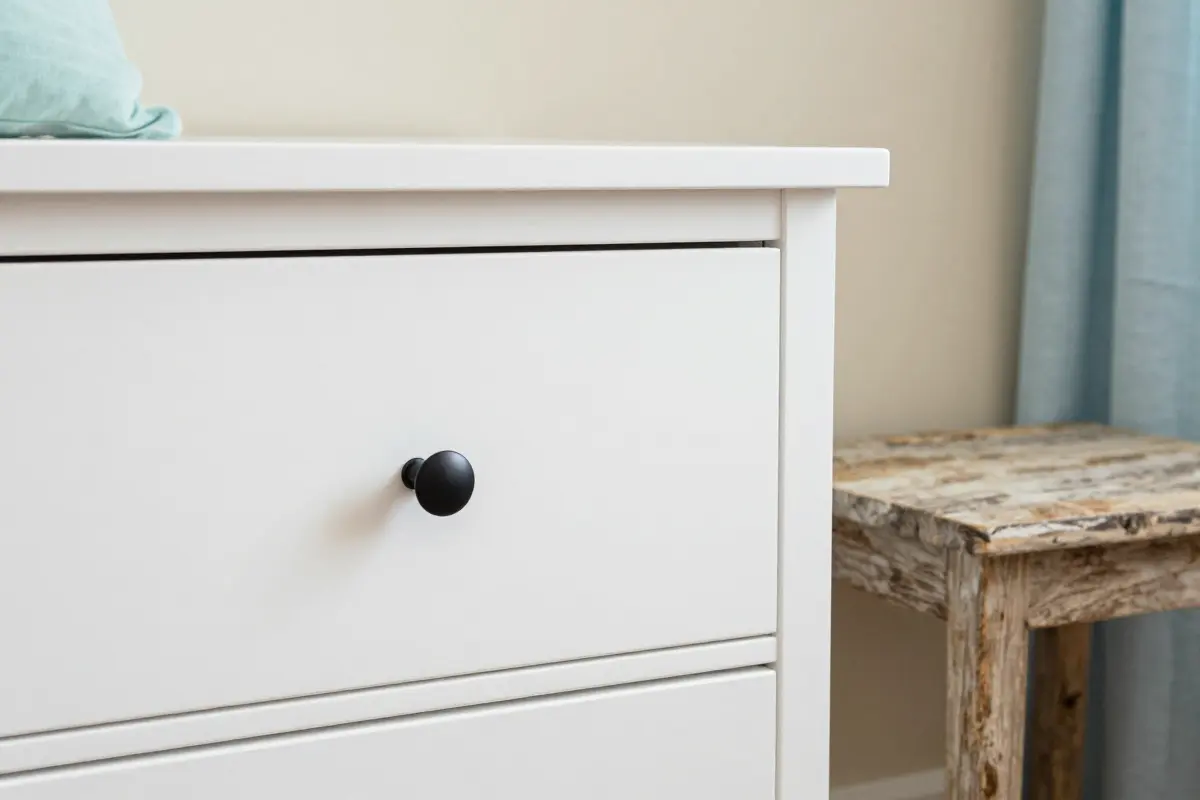
A matte black drawer pull on a white dresser instantly draws the eye to a grounding point. The dark metal adds contrast that keeps a light‑washed bedroom from feeling flat, and it pairs better with weathered driftwood nightstands than glossy chrome, which reflects too much light.
A 12‑oz can of matte‑finish spray paint costs $10‑$15; mask the hardware, spray light coats, and let it cure for an hour for a permanent look renters can later strip with adhesive remover.
Because matte black shows fingerprints and water spots, wipe weekly with a microfiber cloth and a drop of diluted dish soap.
- Strong visual anchor
- Works with many palettes
- Shows fingerprints
- Requires frequent cleaning
Spray in 2‑minute intervals and rotate hardware for even coverage
7. Install Wide-Plank Shiplap Vertically, Not Horizontally
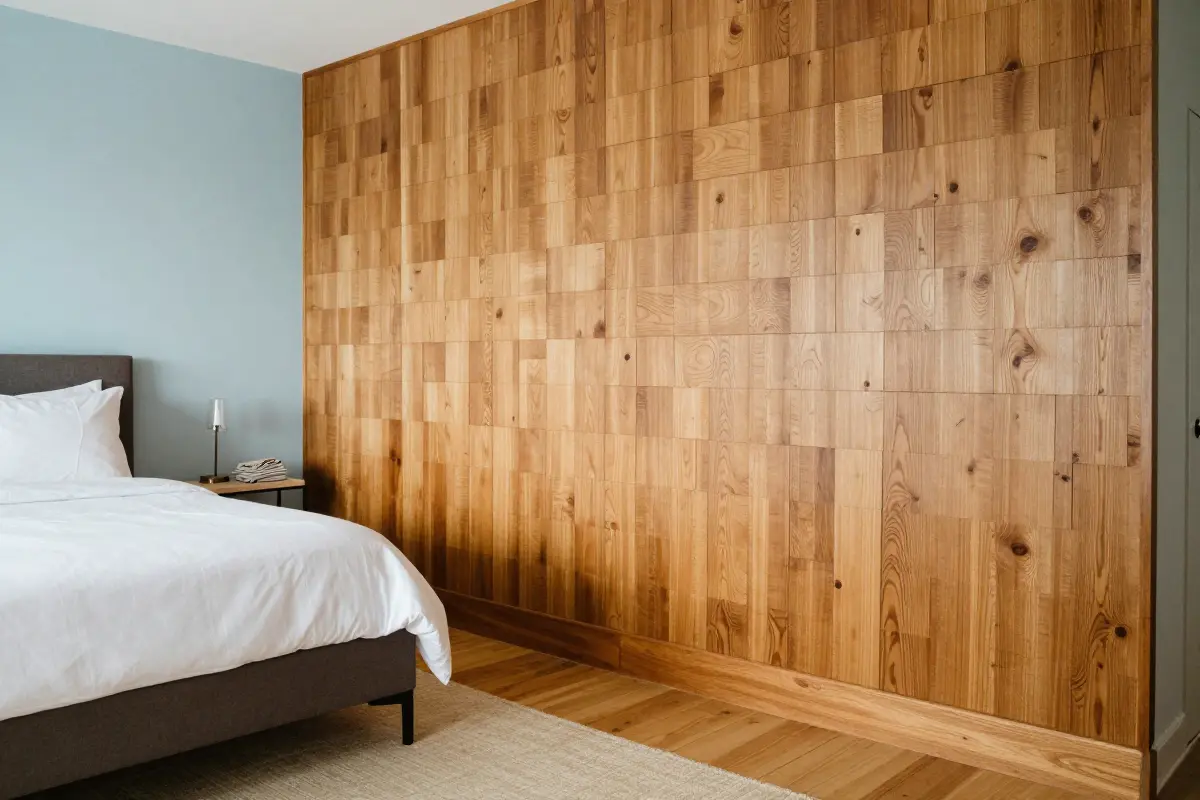
Vertical boards draw the eye upward, so an 8‑foot ceiling feels taller and the wall reads as clean architecture rather than a farmhouse cliché.
Horizontal runs tend to chop the wall into bands and can make a small bedroom feel shorter and busier. Wide planks, 6 to 8 inches, keep the seams few and the look calm, which suits a headboard wall in soft white or pale sand.
Material matters near the coast. Raw MDF swells when humid air or a leaky window gets to the edges, so choose primed pine or PVC boards and caulk the seams before painting.
Start by marking the studs, then hang the first board with a level or plumb line, because walls are rarely truly vertical and a crooked first plank throws off the whole run. Use a nickel as a spacer for even gaps and nail into studs, not just drywall.
- makes ceilings feel taller
- clean, architectural texture
- needs careful leveling
- MDF swells in humid rooms
Paint the boards before installing so the gaps stay crisp and you skip messy cutting‑in
- DIY materials: $200‑$500 per wall
- Peel‑and‑stick panels: $60‑$150 per wall
8. Focus on Muted Ticking Stripes Instead of Novelty Prints
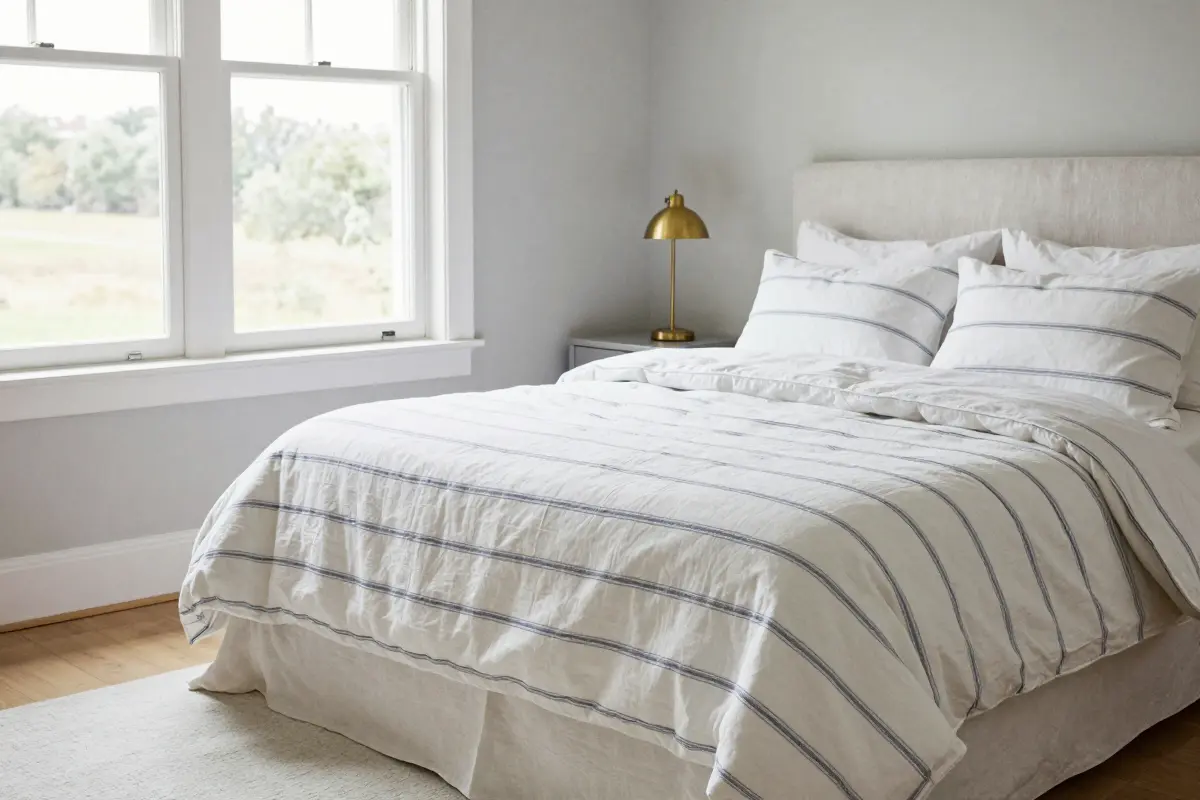
A navy ticking stripe on the duvet outshines a bright anchor print when you want a calm bedroom. The thin, evenly spaced lines read like a subtle tide, adding depth without shouting.
Choose washed navy or soft charcoal on a linen headboard, then pair with solid white bedding and a single brass lamp.
Keep other patterns to a minimum; a plain rug or plain nightstand keeps the look airy. This approach works best in a master suite of a modern beach house or a small seaside cottage where space is limited and a mature vibe is desired.
The restrained stripes give a designer feel while staying under the radar of overt beach motifs.
- Sophisticated look
- Easy to pair
- Less beachy vibe
- May feel too subtle
Apply the stripe fabric to only the duvet cover and leave pillows in solid colors to maintain balance.
9. Frame Vintage Sea Botanical Prints in Simple Oak Frames
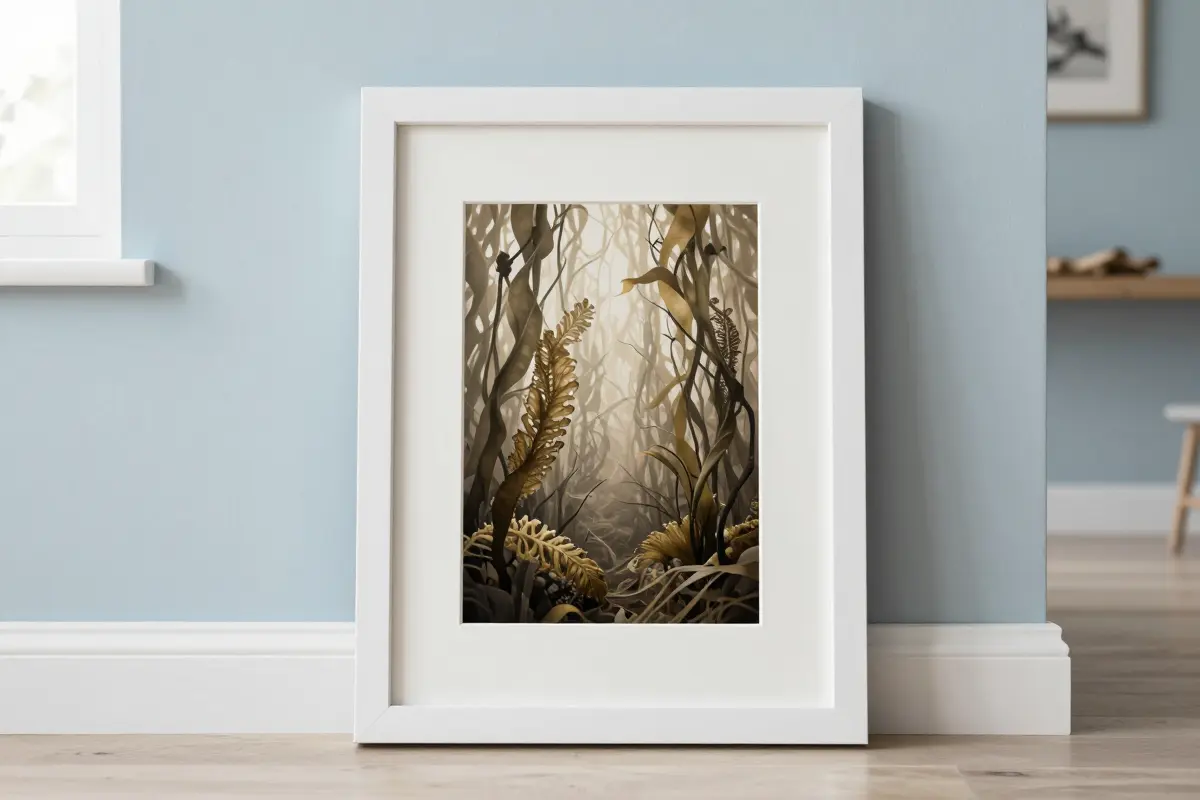
A 12‑inch white‑oak frame holds a sepia‑toned illustration of a kelp forest, its edges crisp against a light‑blue wall.
Find similar marine drawings in public‑domain archives such as the Biodiversity Heritage Library, then send the files to a local print shop that offers heavyweight matte paper.
Choose a thin‑profile white oak frame and add a 2‑inch white mat to give the piece gallery depth without a designer price tag.
If you lack a printer or the time to hunt for images, a ready‑made coastal print on a pre‑matted canvas can fill the gap, though it won’t have the same custom feel.
Use picture‑hanging strips instead of nails; the frame stays secure but leaves walls untouched, a renter‑safe solution.
The framed print is permanent once hung, while the adhesive strips can be removed without damage.
- curated look
- gallery depth
- time needed to source and print
- printer quality varies
10. Build a Custom Window Bench with Performance Fabric
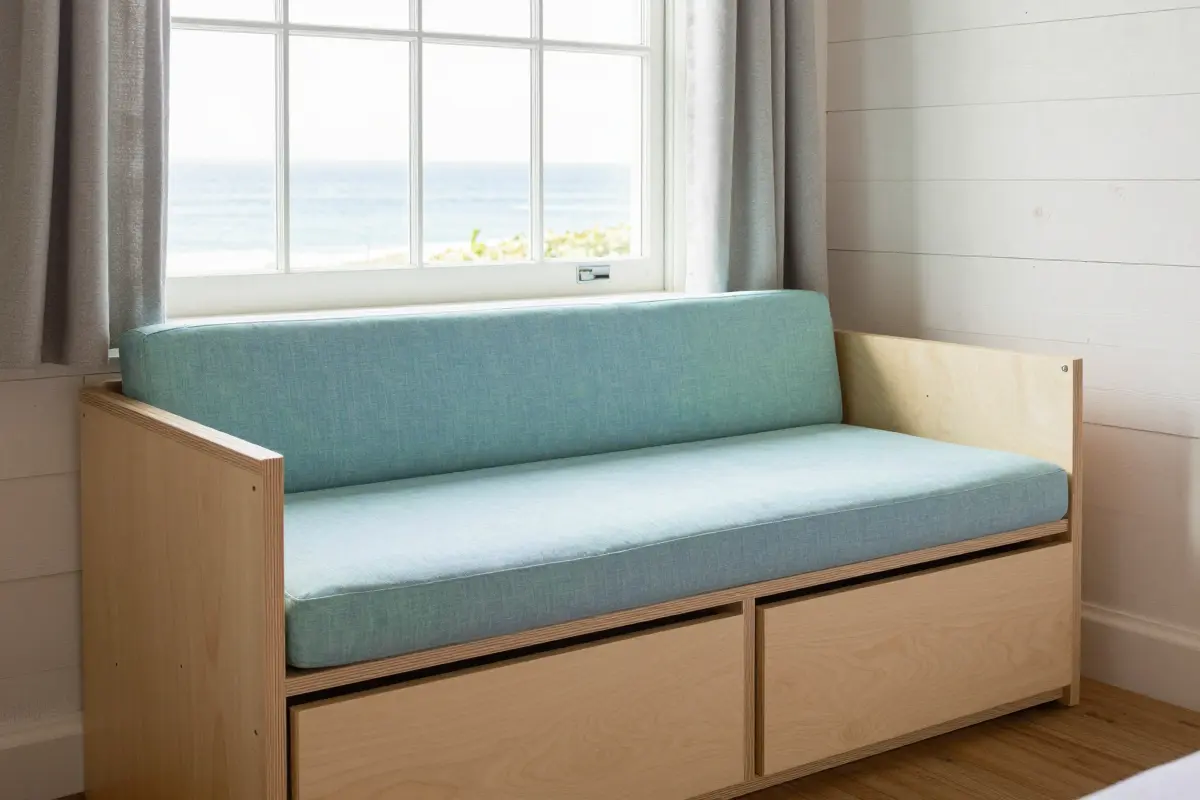
A bedroom window that spans three feet of wall space invites a built‑in bench. The seat adds seating and hidden drawers without crowding the floor.
Cut ¾‑inch plywood to the window width, assemble a box, nail a back panel to the studs, and add drawer slides for two shallow bins or a lift‑top lid.
Cover the seat with Sunbrella or Crypton; the fabric resists UV fading and repels spills, and a quick soap wipe cleans it.
The bench is permanent, so it suits owners who can afford custom carpentry. Renters can opt for a freestanding version with the same cushion. It fits windows 2‑4 feet wide; DIY‑savvy builders can finish it, but a carpenter should verify framing support.
- extra storage
- extra seating
- permanent addition
- high material cost
Verify wall framing can support bench weight; reinforce if needed
- ¾‑inch plywood
- drawer slides
- Sunbrella cushion
- measuring tape
- wood screws
11. Incorporate Warm, Antique Brass Accents
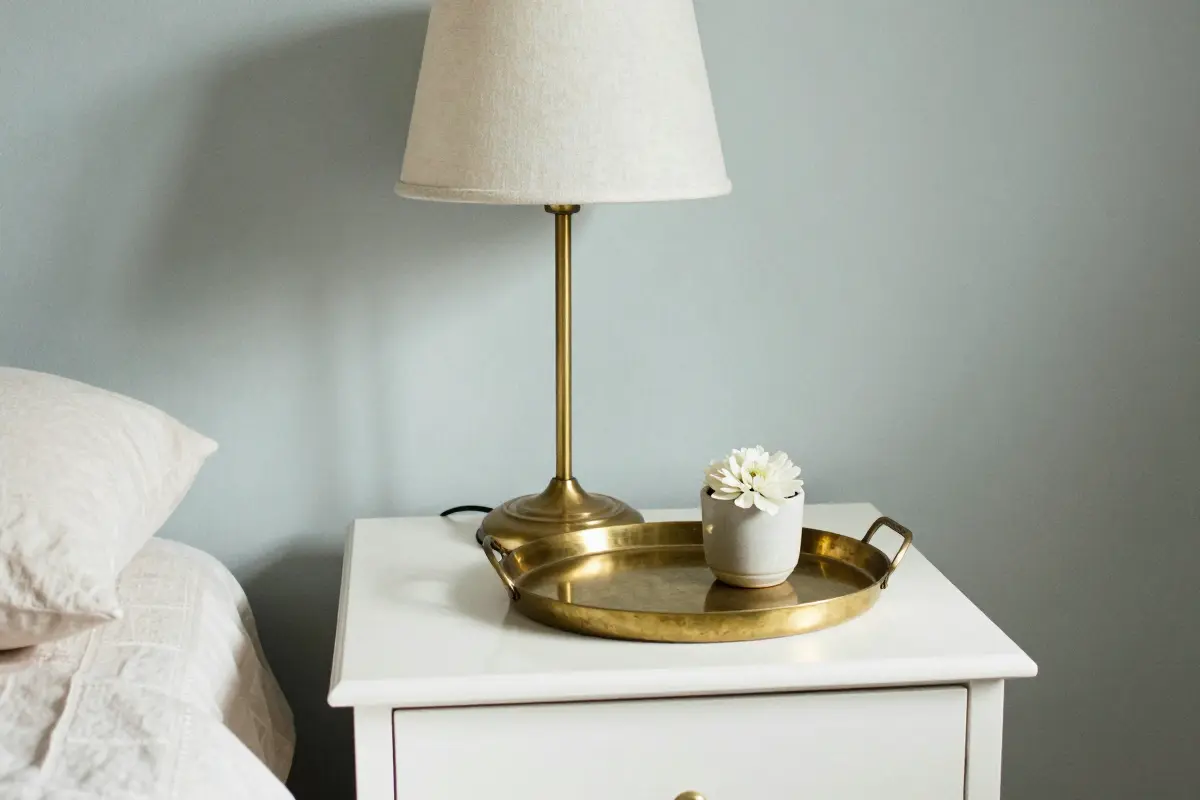
Unlacquered brass bedside tray sits on a crisp white nightstand, catching the sunrise. Warm metal softens the blue‑gray walls and sand‑tinted linens, stopping the room from feeling sterile. Add a single brass table lamp, a thin picture frame, or a narrow tray to keep the look restrained.
Limit the collection to two or three pieces; too many shiny objects turn a relaxed vibe into a showroom.
Brass will develop a natural patina, so expect a dulling surface unless you polish it monthly with a soft cloth and brass cleaner.
Because brass resists rust, it survives humid coastal air, yet salty spray near open windows can accelerate corrosion, so keep pieces away from direct breezes.
Tip: choose one anchor piece, like a lamp base, and group smaller accents around it to create a cohesive focal point without clutter.
- adds warmth
- balances cool tones
- tarnishes over time
- requires regular polishing
polish brass monthly with a soft cloth and brass cleaner
12. Hang Linen-Look Sheer Curtains Close to the Ceiling
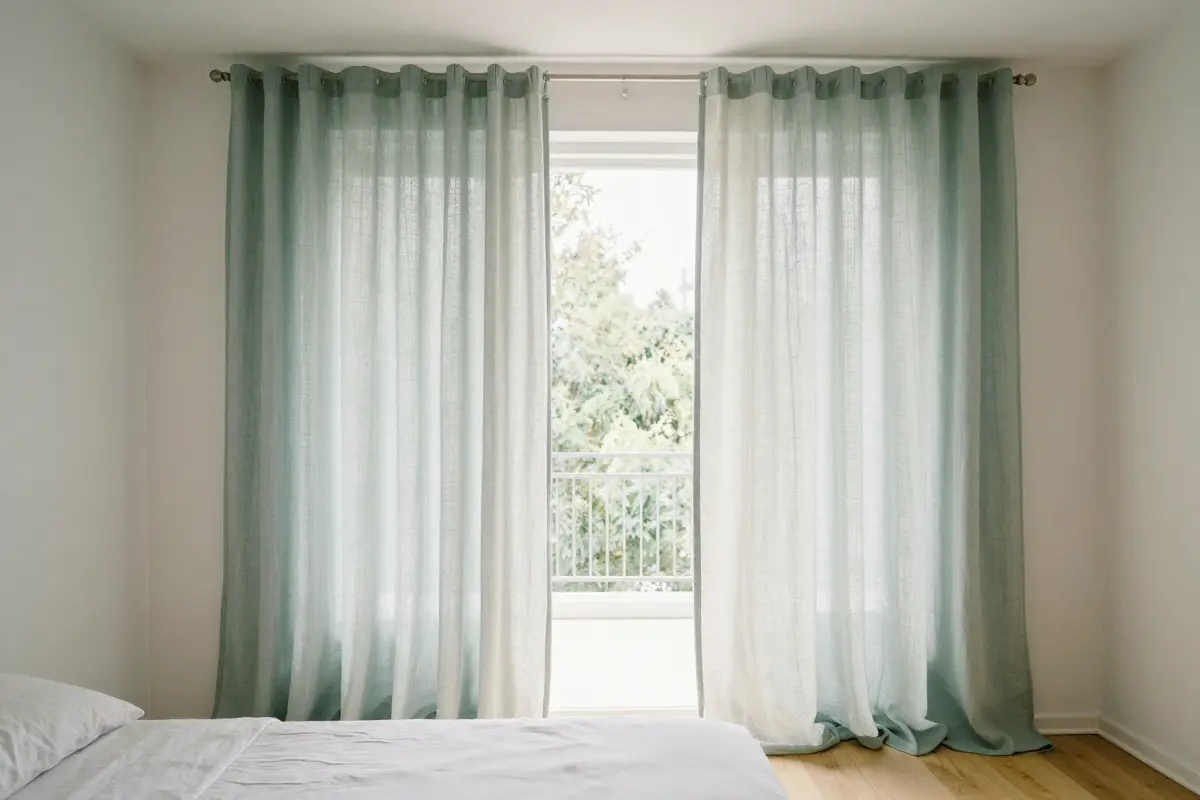
Mount the curtain rod six inches above the window frame and extend it two inches beyond each side. Choose a linen‑blend sheer that drapes like Belgian linen but costs far less.
The high placement lets sunlight flood the room while the light fabric keeps the view private during the day.
A common drawback is the thin material’s poor insulation and limited night privacy; add a blackout liner or a simple roller shade if you need full darkness.
Renters can avoid permanent holes by using removable adhesive brackets or a tension rod, while homeowners may screw brackets into studs for a solid fix. This trick works best in bedrooms 10‑15 ft wide, where the extra height adds a sense of height without crowding the space.
- airy light
- spacious feel
- low insulation
- night privacy limited
use a double-rod to hang a blackout liner behind the sheer for night coverage
Pick Your First Coastal Touch
If you’re itching to see a change right away, start with the simplest upgrade, spray‑painted matte black hardware or a high‑rise sheer curtain rod.
Both take an afternoon and instantly anchor the light palette. Once that contrast is in place, move to the next tactile layer, such as a grass‑cloth accent wall or a slubby linen duvet, depending on how much time you want to invest.
Keep a notebook or a Pinterest board handy so you can track which pieces you’ve sourced and which DIY steps still need a weekend. The goal isn’t to overhaul everything at once; each step builds a cohesive, beach‑ready bedroom you can actually live in.
Frequently Asked Questions
What is coastal chic design style?
Coastal chic is an interior design style that emphasizes natural light, a soft neutral color palette with oceanic undertones, and organic textures like wood, linen, and rattan, avoiding literal beach motifs in favor of a sophisticated, lived-in feel.
How do I make a coastal bedroom look designer-styled instead of cheap?
Avoid using literal beach novelties like starfish, anchor prints, and signboards, and instead invest in high-quality textures, solid wood furniture, and vintage or custom-framed art prints.
Is grasscloth wallpaper practical for a humid coastal bedroom?
Natural grasscloth is not highly practical for high-humidity areas as it can mold and peel; however, you can achieve the same aesthetic using high-quality vinyl faux-grasscloth alternatives that resist moisture.
What paint colors are best for a coastal chic aesthetic?
Opt for soft, complex neutrals with gray, green, or blue undertones, such as muted off-whites, pale sage, sand tones, or dusty slate, rather than stark, bright whites and primary blues.