11 Practical Neutral Coastal Bedroom Ideas for a Relaxed, Real-Life Space
11 Practical Neutral Coastal Bedroom Ideas for a Relaxed, Real-Life Space
When the morning light spills across the freshly painted walls of your bedroom, the sand‑tone paint can look flat if the surrounding pieces clash. You’ve probably tried a crisp white duvet or a glossy lamp, only to feel the space still missing that breezy, lived‑in calm that coastal homes promise.
This list walks you through eleven down‑to‑earth ideas: layered neutral hues, slubby linen bedding, a jute rug with a felt pad, weathered oak accents, textured blankets, a woven headboard, minimalist sketches, matte ceramic lamps, woven window shades, chalky shiplap, and canvas storage baskets. Renters, budget‑savvy shoppers, and anyone craving a relaxed bedroom will find simple steps that turn a stark room into a soft, beach‑inspired retreat.
1. Layer Sands, Creams, and Soft Oatmeal Tones

Apply a matte oat‑colored paint to the largest wall as the base hue. Layer sand‑tone duvet covers, cream linen curtains, and a light‑gray rug to keep contrast low but texture rich.
In a sun‑lit room, the undertones will drift from a pale beige in the morning to a warm caramel at noon, giving a subtle depth without harsh whites.
Before committing, hang three paint swatches, one on each side of the window, and observe them under morning, midday, and evening light, then switch on the bedside lamp to check for yellow or muddy shifts. This testing prevents costly repainting later.
- soft cohesive look
- easy accessorizing
- yellow shift under warm LED bulbs
- requires swatch testing
Paint a 2‑ft square sample board and view it from the bed at night
2. Choose Slubby Linen Bedding (and Embrace the Wrinkles)
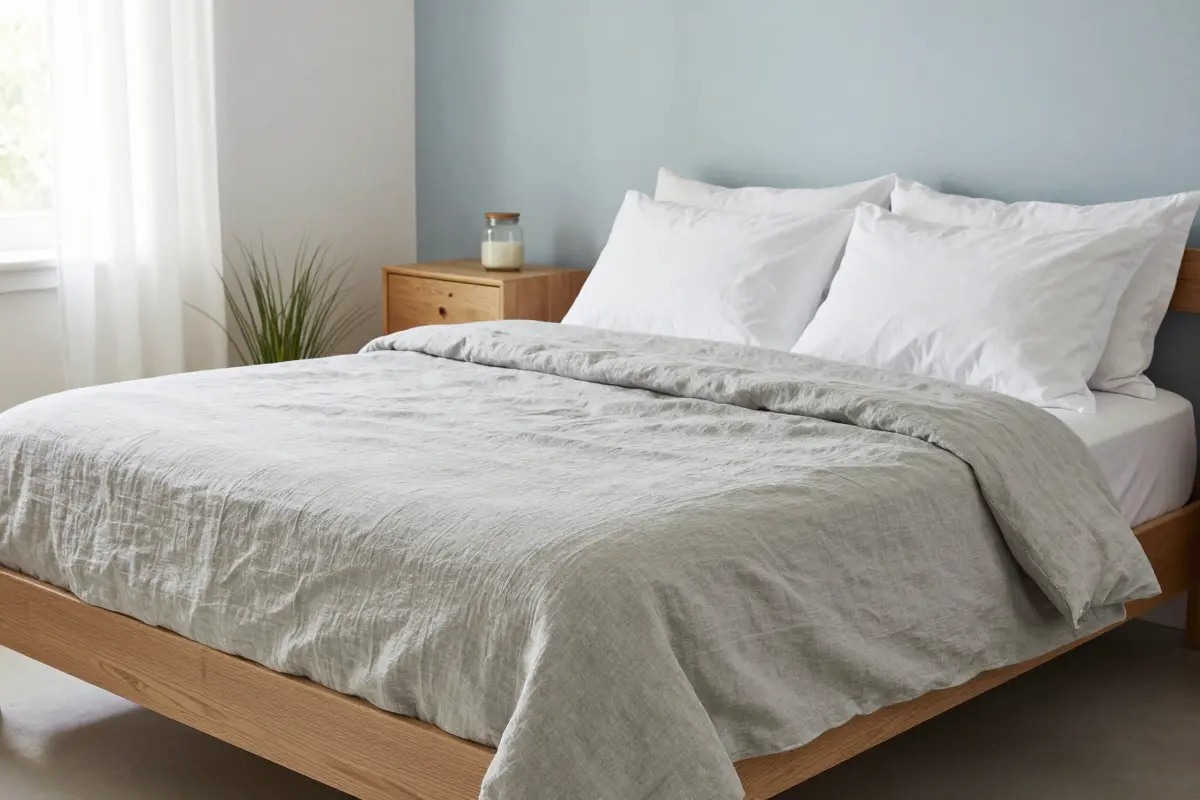
A 100% Belgian linen sheet set feels cool and slightly textured, giving a slubby look that matches a neutral coastal vibe. Pure linen drapes loosely and breathes, so it stays comfortable in summer and winter.
The downside is the price; a full set can run several hundred dollars, and the fabric creases easily, which can look untidy to anyone who prefers a pressed bed.
For those who want the casual feel without the cost or upkeep, a high‑quality cotton‑linen blend offers a similar slub and softness but costs less and resists deep wrinkles.
Wash both types in cold water, tumble low, and skip fabric softener to keep the fibers strong. Expect the blend to soften over time, though it won’t develop the same deep patina as pure linen.
- Soft, breathable
- Natural look
- High cost
- Prone to wrinkles
3. Ground the Bed with a Bleached Jute or Sisal Rug
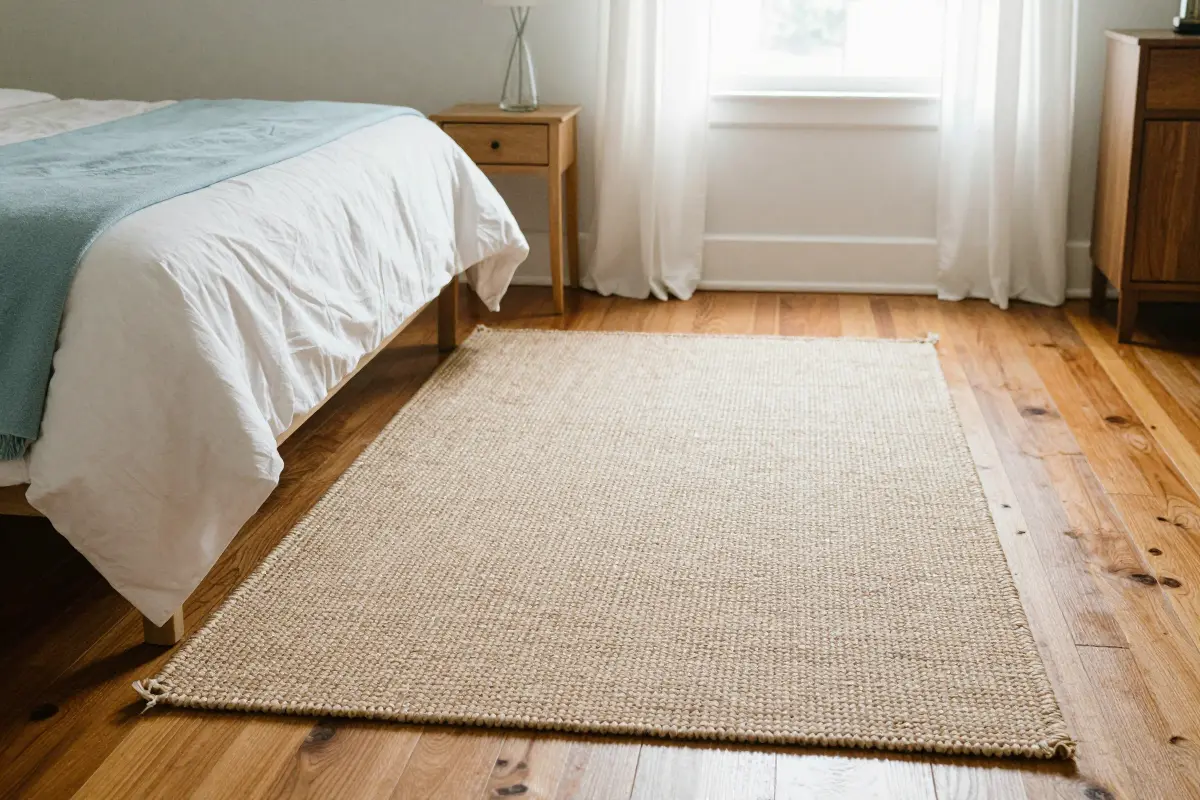
Bleached jute fibers lay flat under the mattress, giving the room a soft, beach‑tide hue. The rough texture feels natural underfoot, but it can be scratchy on bare feet and will shed fine fibers during the first few months.
A thick felt rug pad underneath cushions the surface, adds comfort, and keeps the rug from slipping on hardwood.
Vacuum the rug weekly with a brush attachment and spot‑clean spills with a damp cloth and mild soap; avoid steam cleaners that can damage the fibers.
Choose a rug size that extends at least two feet beyond the bed to anchor the space. A natural‑white bleach keeps the jute looking weathered without yellowing.
Pair it with white linen drapes to reinforce the coastal palette.
- natural texture
- coastal vibe
- scratchy feel
- early shedding
Use a non‑slip rug pad to keep the rug from sliding on hardwood floors
Rotate the rug every three months to keep wear even and reduce visible shedding.
4. Introduce Matte Weathered Oak or Driftwood Accent Pieces
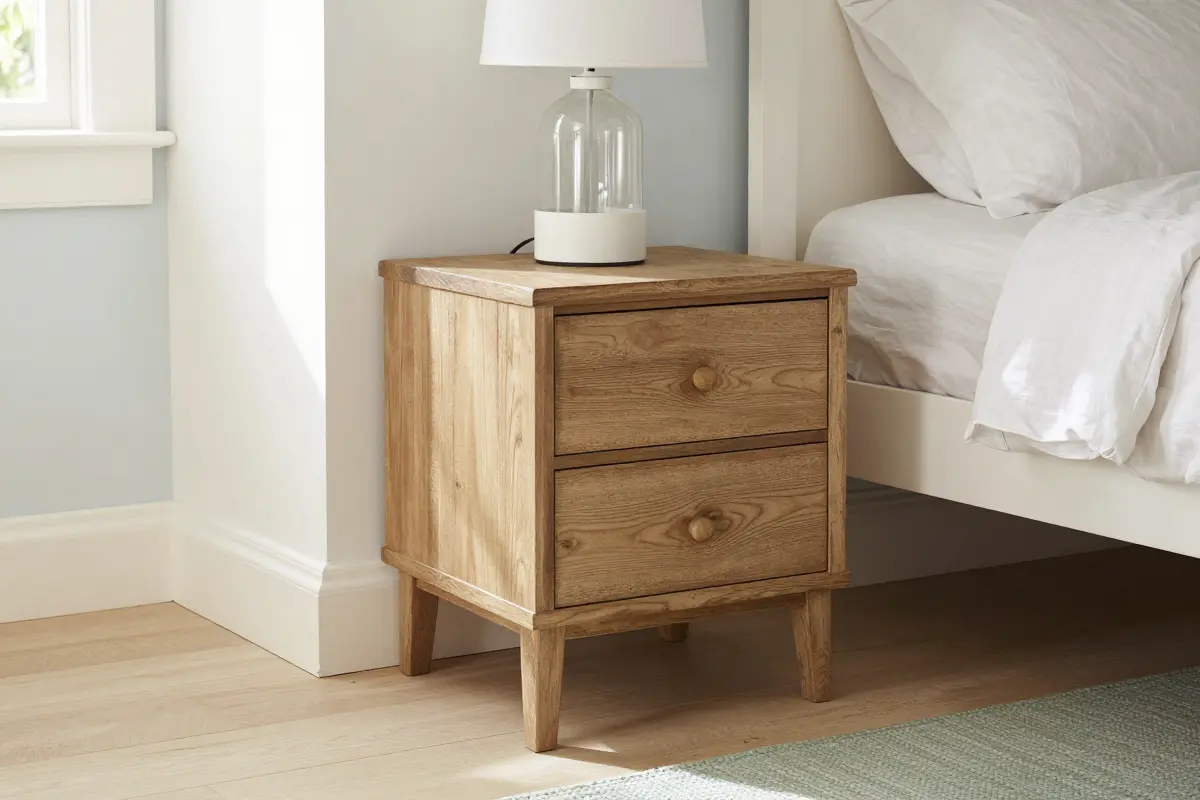
Unlike yellow pine’s glossy shine, matte weathered oak has a sand‑blasted look that feels like driftwood.
Pick raw, wire‑brushed nightstands, benches, or a headboard with low‑sheen, and skip dark espresso that overpowers a neutral palette.
- soft visual texture
- blends with neutral palette
- prone to stains
- needs regular sealing
The porous, unsealed surface easily takes water rings or oil spots if coasters are missing.
Wipe weekly with a damp microfiber cloth; a light coat of water‑based polyurethane every six months adds protection without losing matte feel.
Keep coasters and a woven rug on weathered wood to prevent rings
Add a thin woven rug under the nightstand to catch spills before they reach the wood.
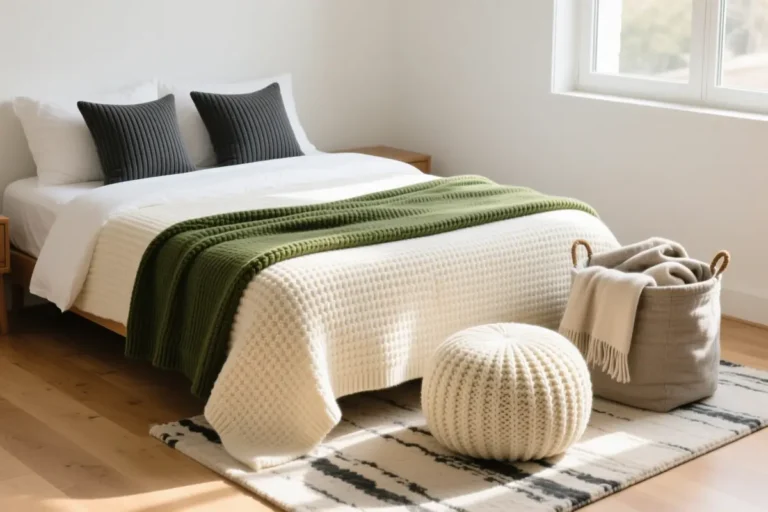
5. Layer Lightweight Cotton Seersucker or Waffle Blankets
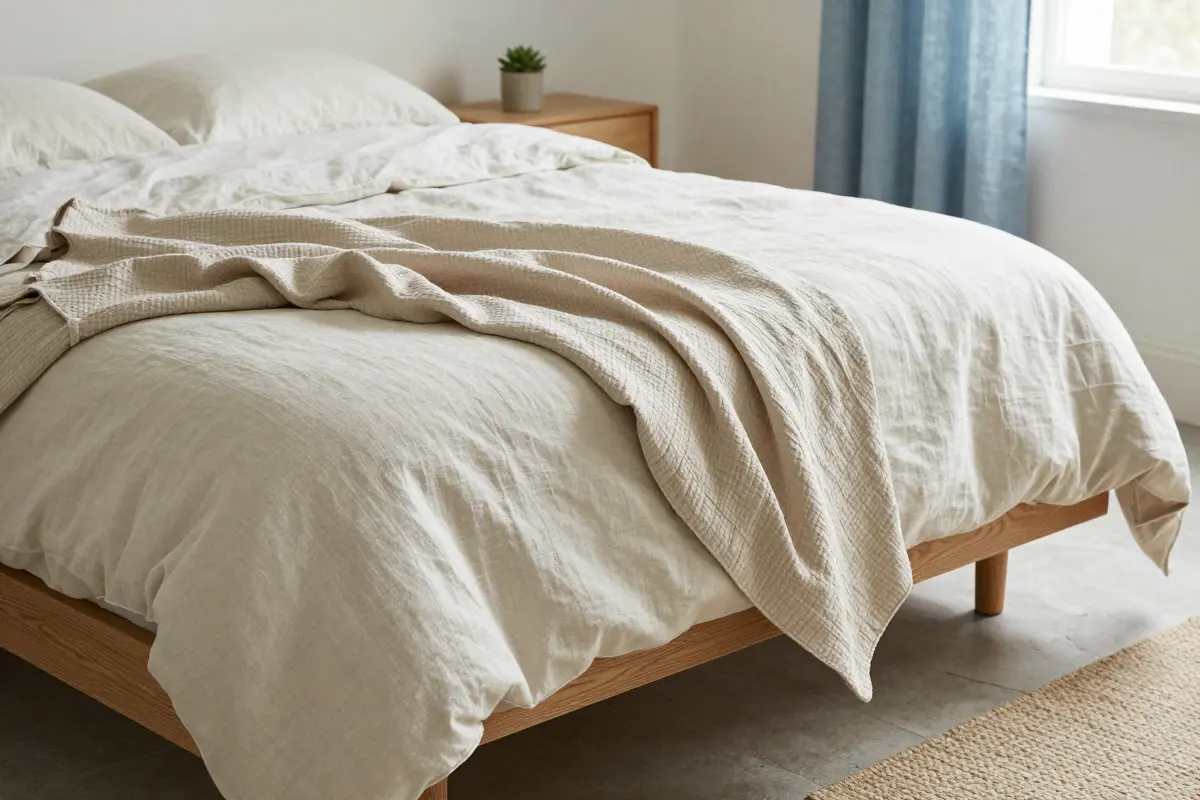
Seersucker’s puckered surface catches light and creates subtle shadow on a neutral duvet. The texture adds tactile depth that flat cotton can’t provide. Because the fabric is lightweight, it layers without overheating the room.
- adds subtle texture
- stays breathable
- easy to snag
- limited warmth
Waffle‑knit blankets work the same way, giving a soft ribbed feel that reads as visual interest without busy prints.
The loose weave, however, is prone to snagging from jewelry, pet claws, or sharp zippers in the wash. Wash in cold water on a gentle cycle, use a mesh bag, and line‑dry flat to keep the surface intact.
tumble dry low and add a mesh laundry bag to protect the weave
Drape the blanket over the footboard so it stays in place when you sit up.
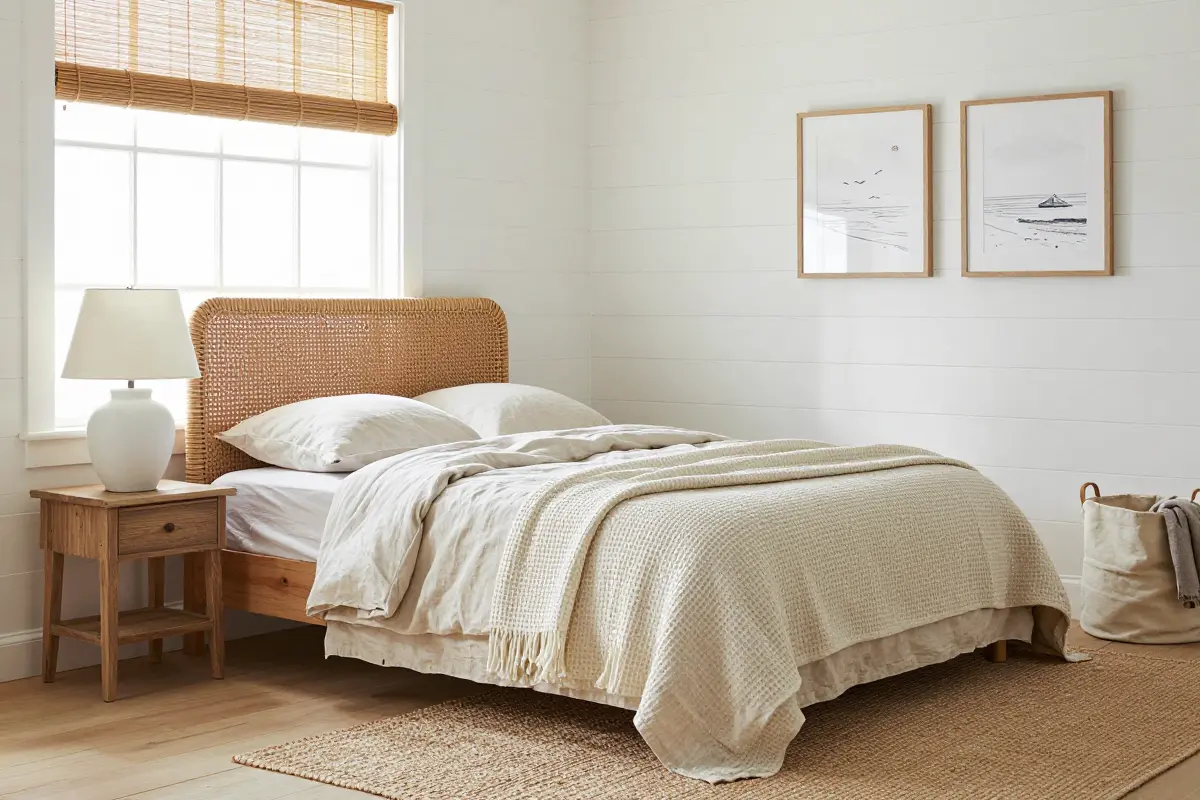
6. Use a Woven Rattan or Cane Headboard for Organic Shape

Sun‑bleached rattan slats form a loose lattice behind the mattress, casting soft shadows. The woven headboard breaks up flat drywall and adds an organic shape without bulk.
Because it is light, mount it with a simple wall bracket and 2‑inch rubber pads to stop rubbing and creaking.
Most DIYers can install with a drill and toggle bolts; a carpenter is only needed for plaster walls. Dust the weave weekly with a soft brush, then wipe with a damp cloth; avoid abrasive cleaners. Slip a thin felt strip behind the board for extra silence when you sit up.
- lightweight
- organic texture
- can creak if not anchored
- may warp in humidity
Secure brackets to studs to keep the headboard from falling
7. Hang Minimalist, Thin-Framed Coastal Sketches

A blank wall in a coastal bedroom often feels cold and unfinished. Skip generic beach photos and choose thin‑framed line sketches of sea grasses, single wave strokes, or abstract botanical silhouettes. Light pine frames keep it airy, and an oversized white mat fills the space without extra cost.
A problem is that a tiny frame on a large wall looks lost, so size the mat at least two inches wider than the artwork to ground the piece.
For a queen bed, one 24×36 inch frame centered over the headboard reads cleaner than a scattered cluster. If you prefer a set, hang three 11×14 frames in a row with 2‑3 inches between them, so the group acts like one larger piece.
Center the art about 6‑8 inches above the headboard, or roughly 57 inches from the floor on an open wall, so it sits at eye level instead of floating near the ceiling.
- low cost
- renter‑friendly
- small frames look lost on big walls
- glass glare in bright rooms
Cut paper templates in the frame sizes and tape them to the wall first to check spacing before drilling or sticking anything
- Single large frame: $40‑$90
- Three‑frame set: $100‑$200
8. Opt for Textured, Matte Ceramic Table Lamps
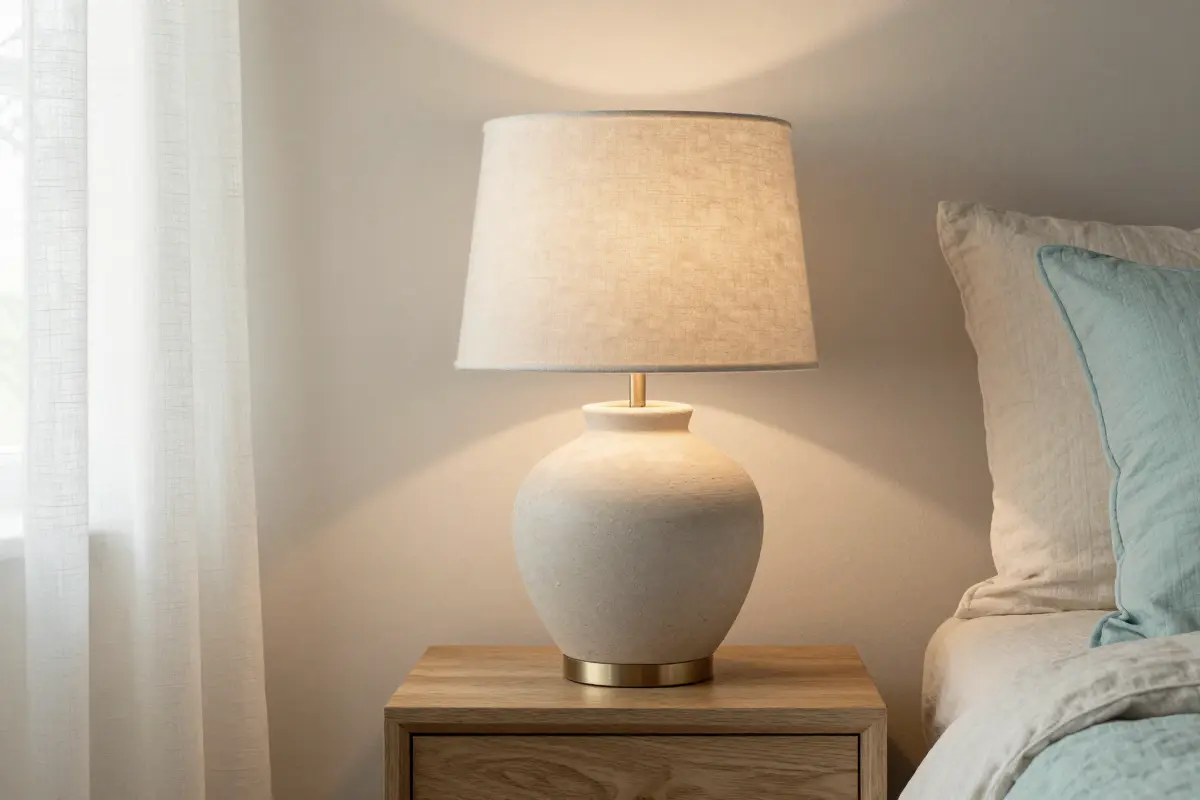
A brushed nickel base throws a flash of shine, while a matte ceramic base mutes the glow for a softer feel. The muted surface keeps the bedroom from feeling like a showroom.
Choose a base made of stone, plaster, or unglazed ceramic and pair it with a simple linen shade. A 2700K warm‑white bulb adds a gentle amber tone that blends with coastal neutrals. The texture of the base adds tactile interest without competing with the room’s palette.
Because unglazed ceramic and plaster are porous, dust and finger oils settle into the surface; wipe them with a dry microfiber cloth weekly rather than spraying liquid. Position the lamp about 12 inches from the nightstand edge so the light reaches the reading spot without glare.
- soft, calming light
- natural texture
- dust buildup
- harder to clean
Dust the lamp weekly with a dry microfiber cloth
9. Install Light Bamboo or Woven Wood Window Shades
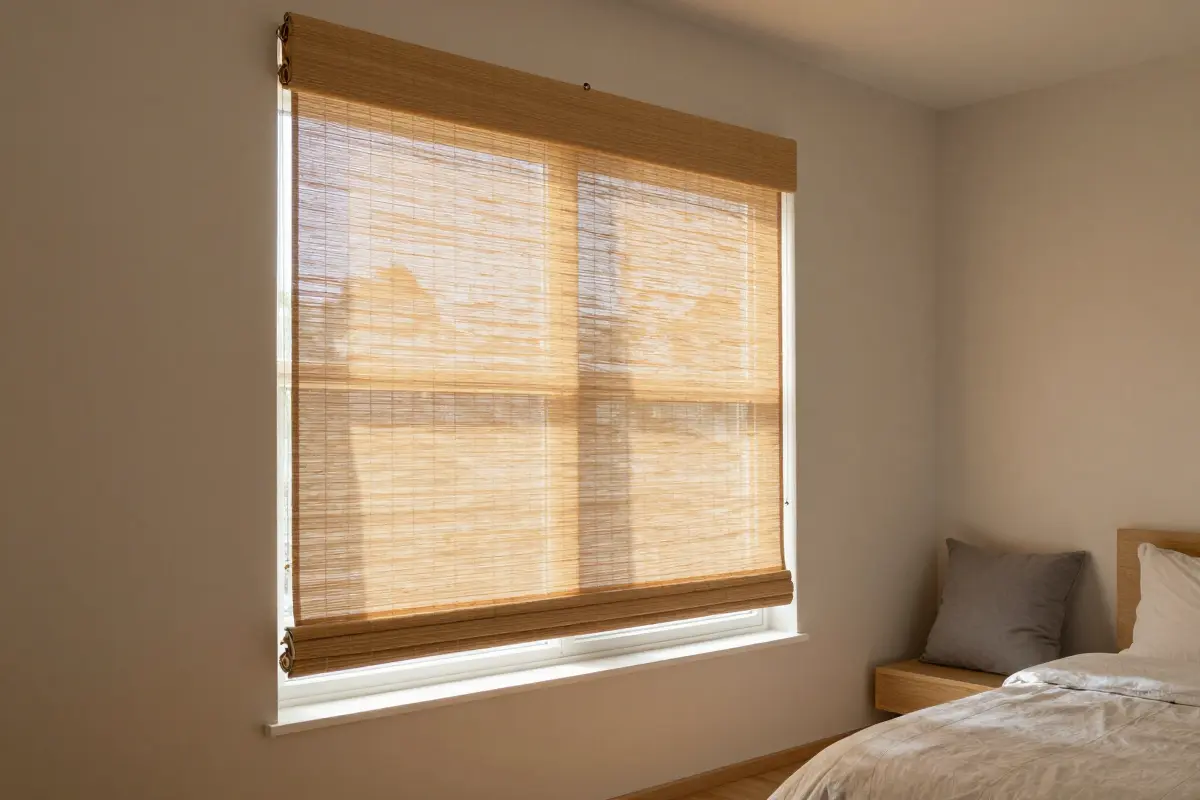
A light bamboo shade hangs in a breezy bedroom, its slats catching the morning glow. The woven texture diffuses daylight, creating a soft, coastal feel without harsh glare.
Because plain bamboo blocks little, add a built‑in blackout liner to keep the room dark after sunrise and to protect nighttime privacy.
For renters, choose a tension‑rod system; it mounts without screws and can be removed cleanly. Homeowners can install the liner with a few staples and a utility knife; DIY is doable for standard windows, but larger panes may need a professional to ensure a tight fit. Add a magnetic tie‑back so the shade stays neatly gathered after dark.
- soft daylight diffusion
- natural texture
- poor blackout without liner
- limited privacy
Install the blackout liner fully to avoid light leaks that disturb sleep
10. Add Subtle Depth with Chalky White Shiplap or Beadboard

A vertical strip of chalky white shiplap on the main wall creates instant depth. The horizontal boards draw the eye upward, which can make a low ceiling feel taller. Paint the panels with an ultra‑matte finish to keep the look soft and to hide minor imperfections.
Real wood shiplap requires nailing into studs, leaving permanent holes in the drywall. For renters, a peel‑and‑stick MDF beadboard mimics the look and peels off cleanly when you move out.
A useful tip is to locate studs, pre‑drill pilot holes, and use a level to keep each board straight.
DIY is doable for the adhesive option, but the nailed wood job often benefits from a handyman to avoid uneven seams.
- adds texture
- raises ceiling perception
- permanent installation
- leaves drywall holes
drilling into studs without proper anchors can weaken wall integrity
11. Keep Clutter Hidden in Cotton Canvas Storage Baskets

Pillows and blankets spilling onto the floor turn a calm bedroom into visual clutter. Soft cotton canvas baskets with rope handles add beachy texture and hide those items. Pick baskets 12 to 14 inches wide, so they slide under the bed or sit at the foot without blocking traffic.
Fill each basket with three to four folded blankets or a stack of pillows; a partially empty basket sags and looks sloppy.
Line the bottom with a fitted sheet or thin non‑slip mat to give structure and make removal easier. Stick to sand, ivory, or sky‑blue tones to keep the room neutral and relaxed.
- adds texture
- hides clutter
- can flop when underfilled
- may need regular refilling
Fill each basket to about 70 % capacity and add a fitted‑sheet liner for shape
Pick Your First Coastal Touch
Start with the easiest win: choose a low‑contrast sand or oatmeal paint and test a swatch in your bedroom’s natural light. Once the hue feels right, add a single texture, whether a linen sheet, a jute rug, or a woven headboard, to introduce depth without a big overhaul.
Build from there, swapping in one of the remaining ideas each weekend, and watch the room gradually settle into that relaxed, lived‑in feel.
Save this guide on Pinterest so you can pull up the next step when you’re ready, and feel confident that a calm coastal bedroom is well within reach.
Frequently Asked Questions
What is the best color for a coastal bedroom?
Warm neutral tones like sand, soft cream, pale driftwood gray, and chalky off-whites make the best foundation for a coastal bedroom because they feel warmer and more inviting than stark, cold white.
What colors are calming and relaxing for a bedroom?
Low-contrast, muted shades such as ivory, oatmeal, warm beige, and soft sage green promote relaxation by reducing visual stimulation and reflecting natural light gently.
How do you make a coastal bedroom look modern and not dated?
Avoid using literal coastal items like anchors, seashells, and bright navy-and-white stripes; instead, rely on natural textures such as linen, jute, matte ceramics, and raw, weathered wood to suggest the seaside environment.
Is a jute rug comfortable enough for a bedroom?
Standard jute can feel coarse underfoot, so for bedroom spaces, it is best to choose a bleached jute-and-cotton blend or place a thick wool or felt rug pad underneath to cushion the fibers.
How do you keep a neutral bedroom from looking flat?
To prevent a neutral room from looking boring, layer different materials with distinct tactile finishes, such as a cane headboard, a slubby linen duvet, matte pottery lamps, and a woven window shade.