10 Small Bedroom Makeover Ideas: How to Make a Tiny Room Look Bigger, Stylish, and Functional:
A small bedroom makeover is no longer just about saving space. It is about transforming a compact room into a stylish, comfortable, and highly functional retreat. With rising urban living trends, more homeowners are searching for practical ways to maximize limited square footage without sacrificing aesthetics.
Design experts suggest that small spaces can feel significantly larger with the right layout, lighting, and furniture choices. The real question is not how small your room is, but how smartly you design it. A thoughtfully planned space can feel open, calming, and visually balanced even if it is physically compact.
Smart Small Bedroom Makeover Ideas That Maximize Space and Style.
Modern small bedroom design focuses on efficiency, visual balance, and multi-functional elements. According to current interior trends, combining storage solutions with minimal clutter and layered lighting can dramatically improve both usability and appearance.
Below are 10 proven ideas to help you create a space that feels bigger, more stylish, and perfectly functional.
1. Use Light and Neutral Color Palettes:
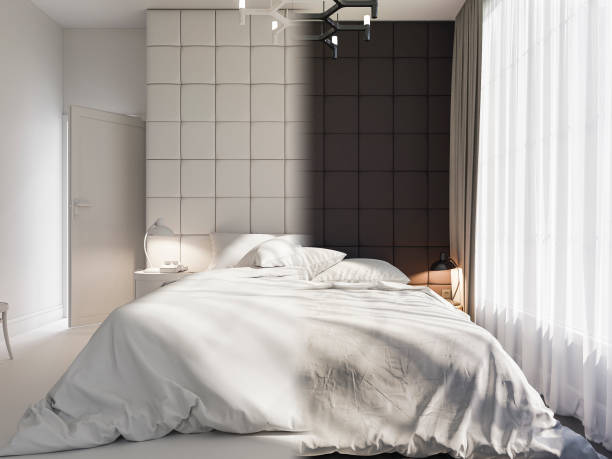
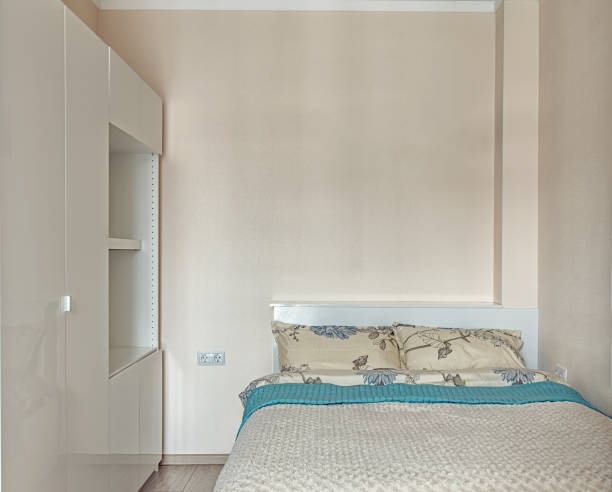
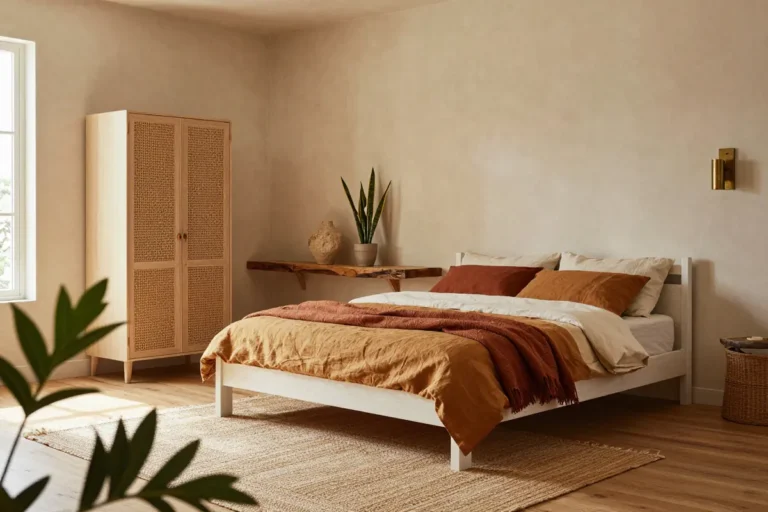
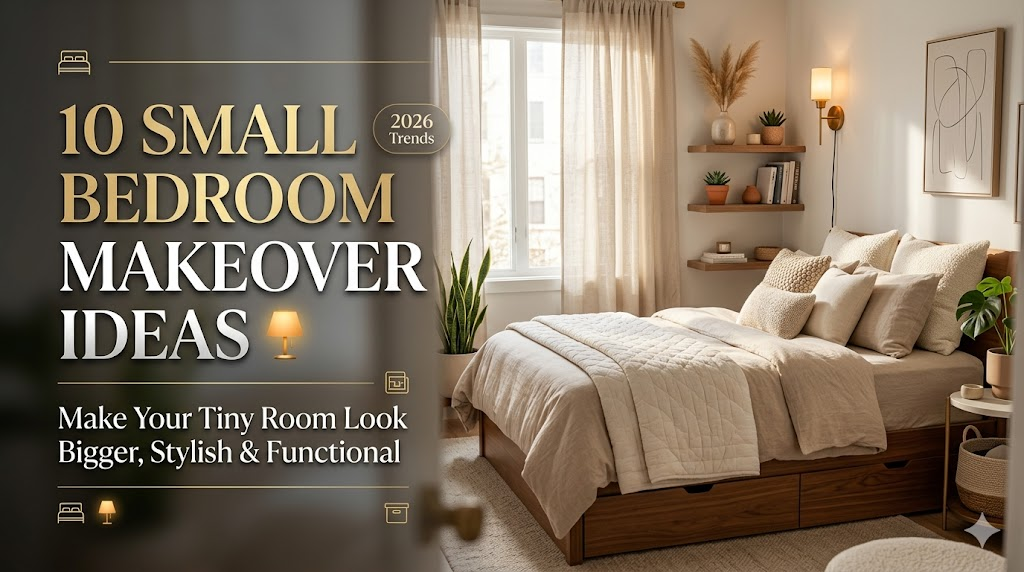
Color plays a major role in how spacious a room feels. Light tones such as white, beige, soft grey, and pastels reflect more light and create an open atmosphere.
Design insights indicate that warm neutrals are trending, replacing cooler tones for a more inviting look. Painting walls, ceilings, and trims in similar shades can further enhance the sense of continuity. This removes harsh contrasts and makes the room feel seamless.
You can also layer shades within the same color family. For example, pairing off-white walls with cream bedding and beige curtains creates subtle depth without making the room feel crowded.
A cohesive palette helps eliminate visual boundaries, making the room appear larger.
2. Optimize Vertical Space:
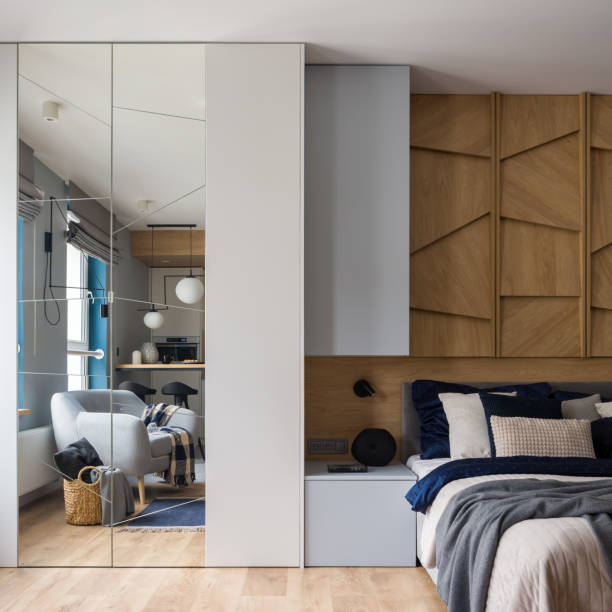
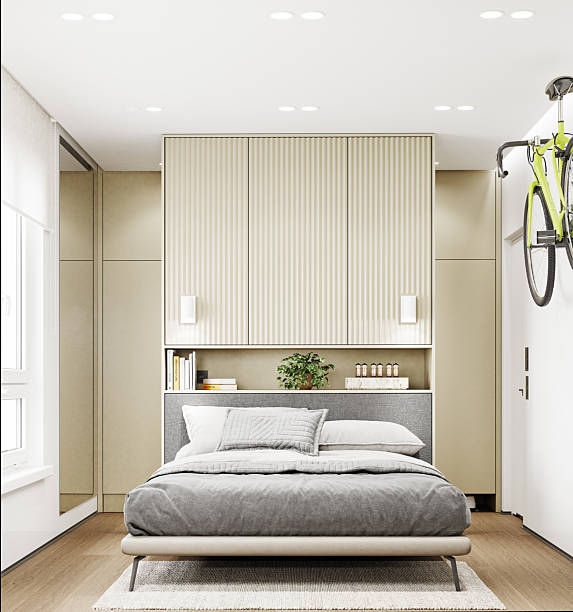
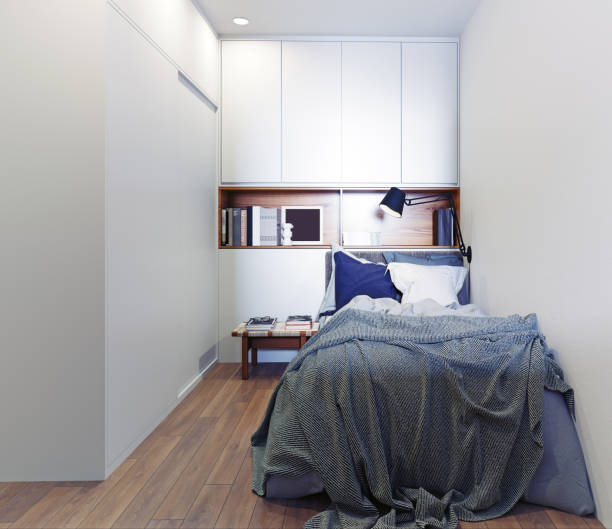
When floor space is limited, vertical space becomes your biggest asset. Wall-mounted shelves, tall cabinets, and hanging storage units help free up valuable room.
This approach keeps the floor uncluttered while adding functionality. It also draws the eye upward, creating the illusion of height and making the ceiling feel taller.
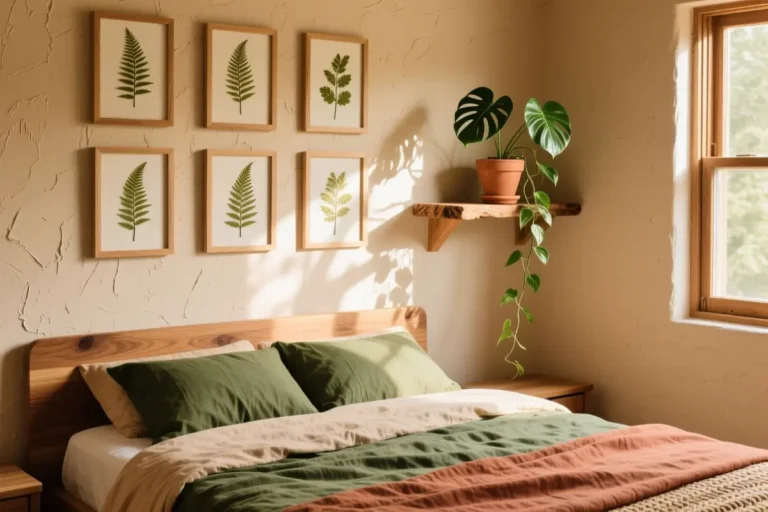
You can also use vertical design creatively by installing floating shelves above the bed, adding hooks for accessories, or using tall bookcases instead of wide storage units.
Vertical storage is considered one of the most effective small bedroom makeover strategies because it maximizes unused areas without crowding the space.
3. Invest in Multi-Functional Furniture:
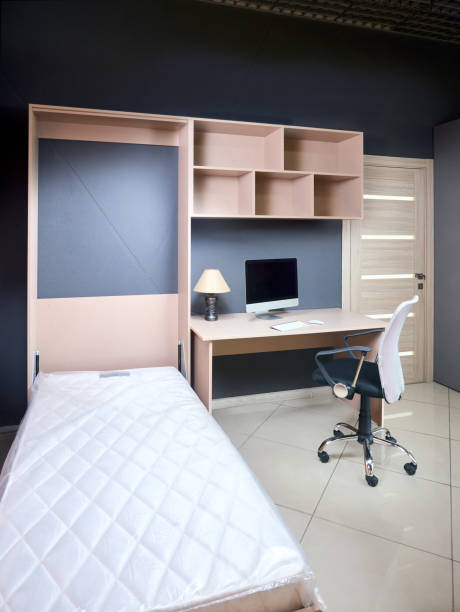
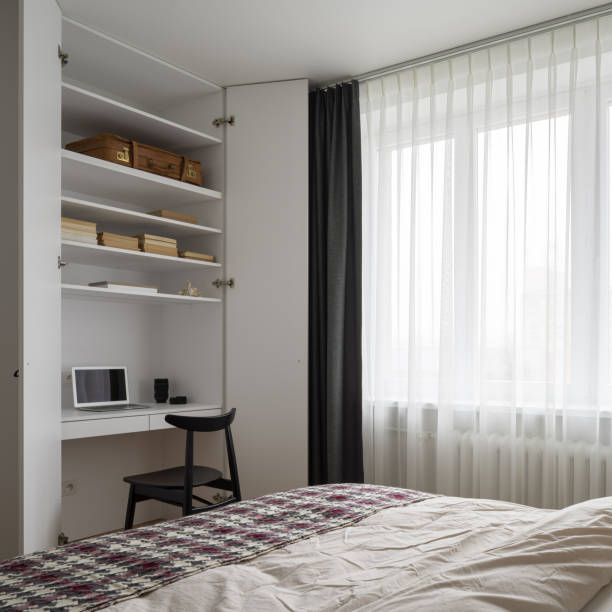
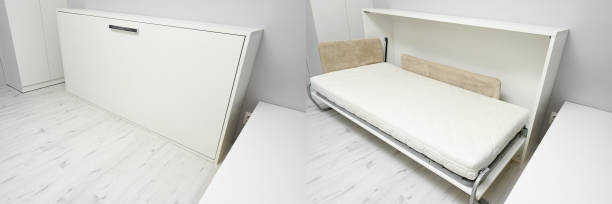
Furniture that serves multiple purposes is essential in a compact room. Beds with built-in drawers, foldable desks, or storage ottomans maximize usability.
According to design experts, multi-functional pieces reduce the need for extra furniture, preventing overcrowding and improving flow.
For example:
- A bed with storage eliminates the need for bulky dressers
- A foldable desk can double as a vanity
- A bench with storage can act as seating and organization
This not only saves space but also improves overall organization, making your room feel clean and efficient.
4. Incorporate Mirrors to Reflect Light:
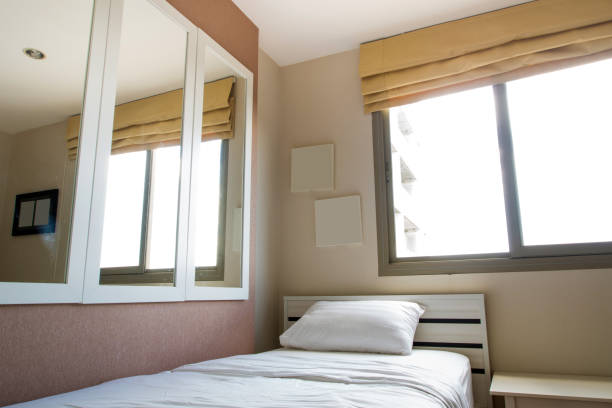
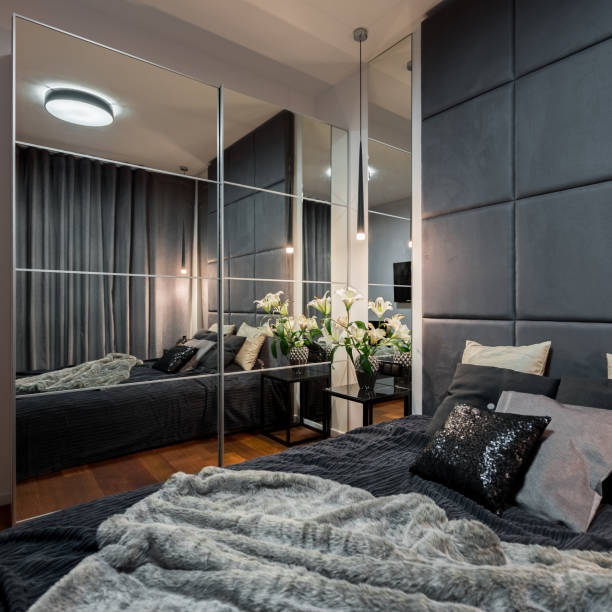
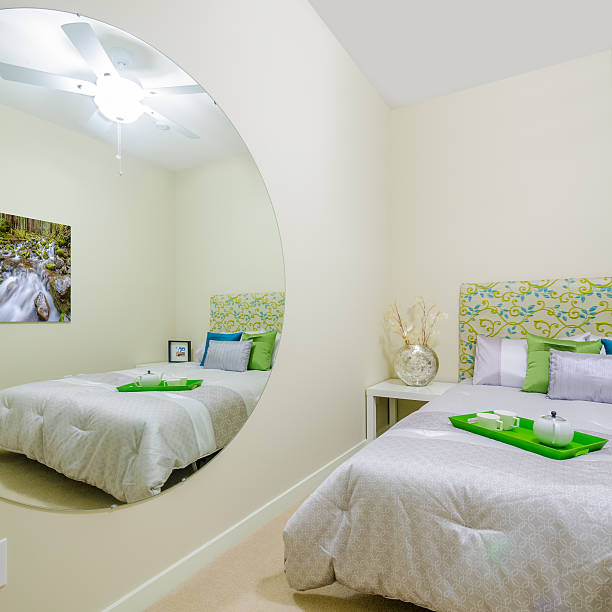
Mirrors are a classic trick to make small spaces feel bigger. They reflect both natural and artificial light, instantly brightening the room.
Placing a large mirror opposite a window can amplify sunlight, while mirrored wardrobes can visually double the space.
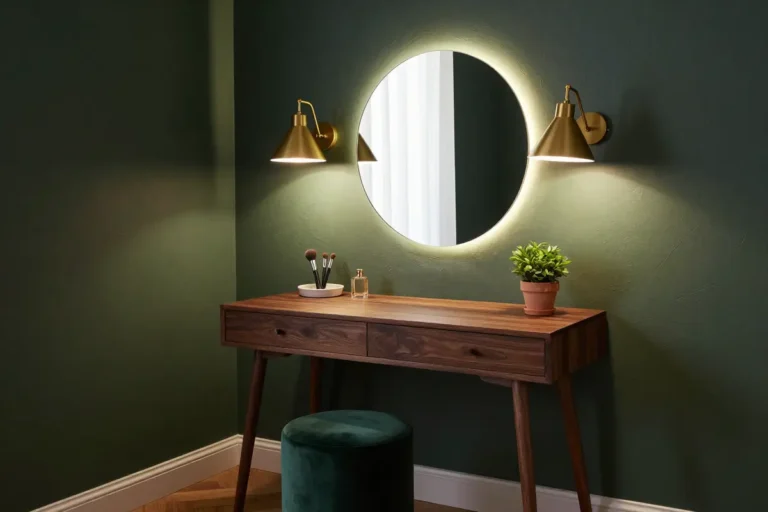
You can also use decorative mirrors as design elements. Round mirrors, grid-style mirrors, or full-length mirrors can add character while enhancing depth.
This simple addition creates a more open and airy feel without requiring any structural changes.
5. Choose Space-Saving Furniture Layouts:
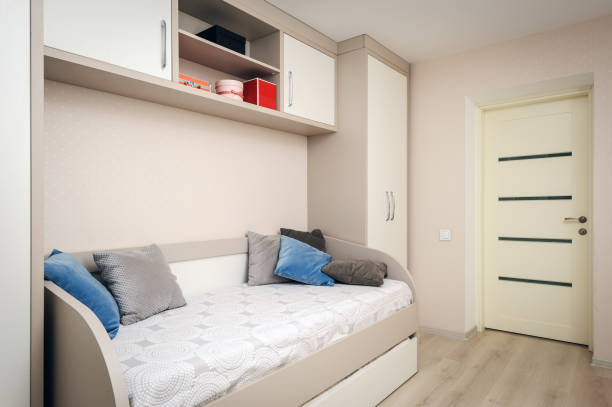
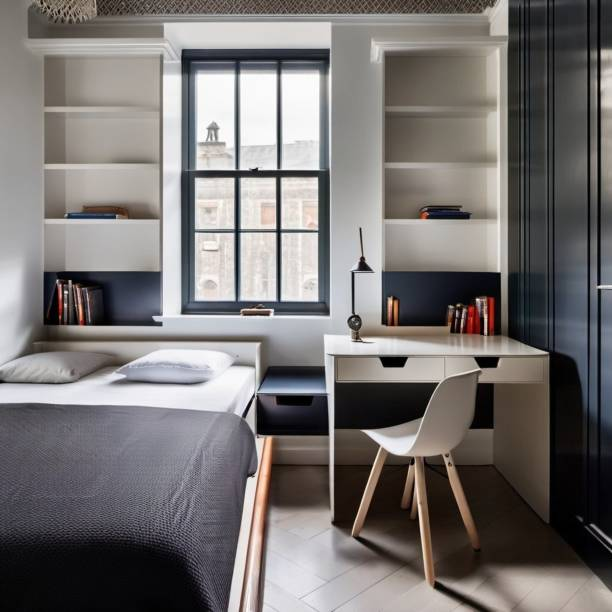
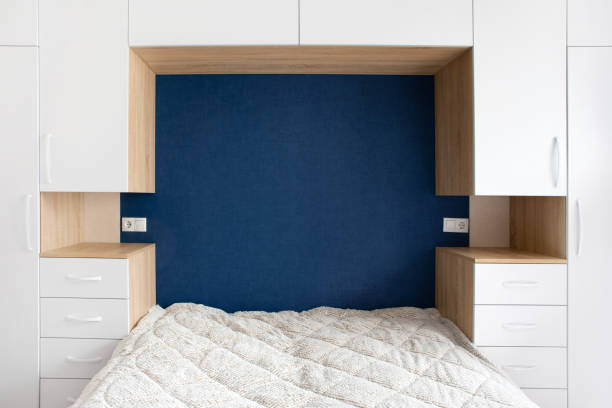
Furniture placement can make or break a small bedroom. Even the best furniture will not work if the layout is inefficient.
Avoid blocking pathways and keep the layout simple and intentional. Placing the bed against a wall or in a corner can free up central space, especially in narrow rooms.
Floating nightstands or wall-mounted desks further reduce clutter and keep the floor visible. The more floor you can see, the larger the room appears.
A well-planned layout improves both movement and visual flow, making the space feel comfortable rather than cramped.
6. Layer Lighting for Depth and Ambiance:
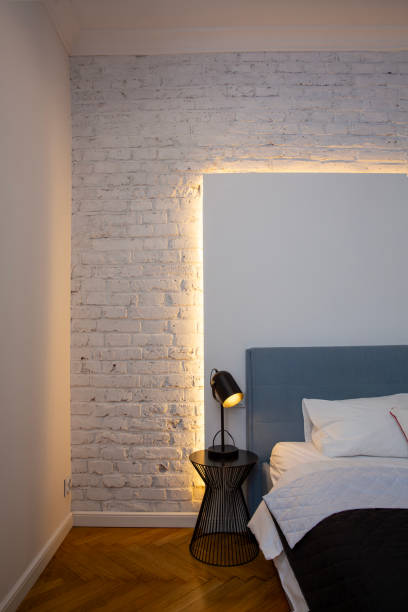
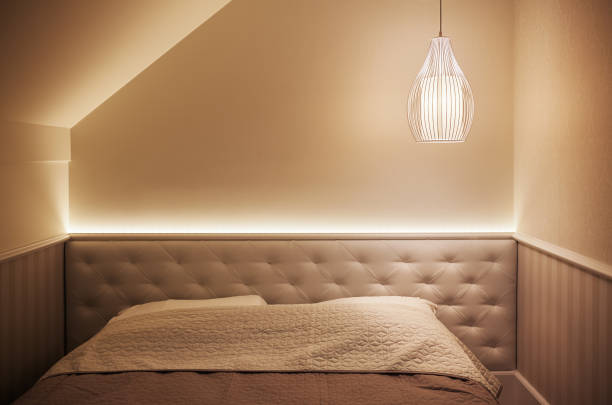
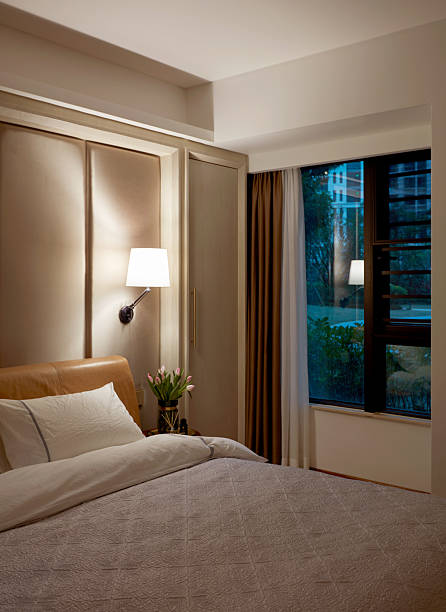
Relying on a single overhead light can make a small room feel flat. Instead, use layered lighting to create depth and a more dynamic atmosphere.
You can combine:
- Ambient lighting for overall brightness
- Task lighting for reading or working
- Accent lighting for highlighting decor
Warm lighting tones create a cozy and inviting environment, while strategically placed lights can make the room feel larger by eliminating dark corners.
String lights, wall sconces, and bedside lamps are great additions that enhance both function and style.
7. Keep Decor Minimal but Impactful:
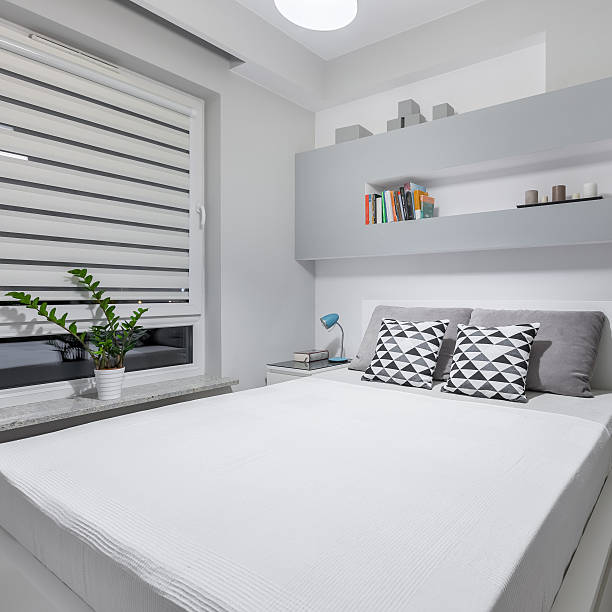
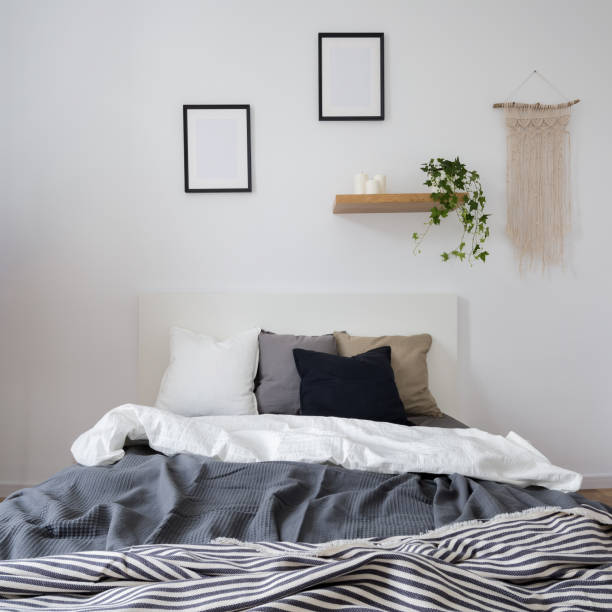
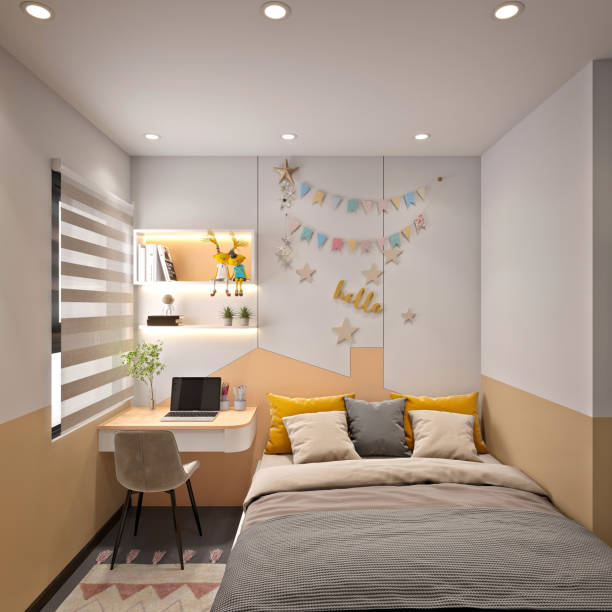
Too many decorative items can overwhelm a small bedroom. A minimalist approach helps maintain clarity and openness.
Instead of filling every corner, focus on a few statement pieces such as artwork, a textured rug, or stylish cushions. These elements add personality without creating clutter.
You can also create visual impact by grouping decor items thoughtfully rather than spreading them across the room.
A clean space always feels larger and more relaxing, which is essential for a bedroom environment.
8. Use Smart Storage Solutions:
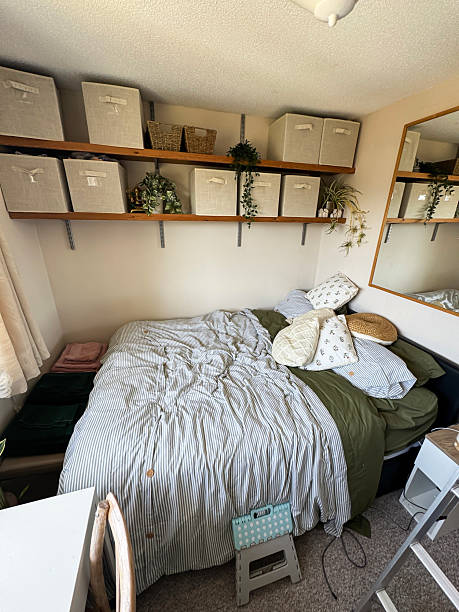
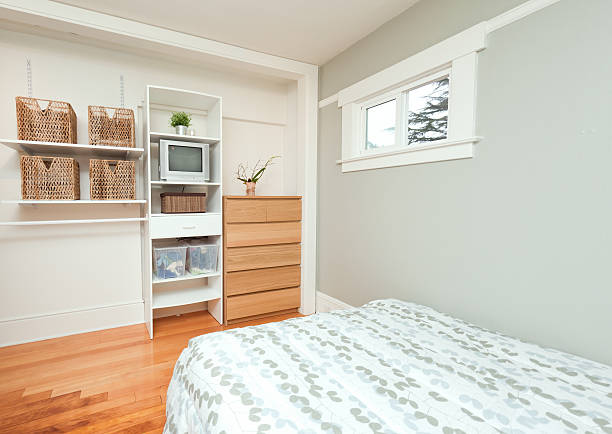
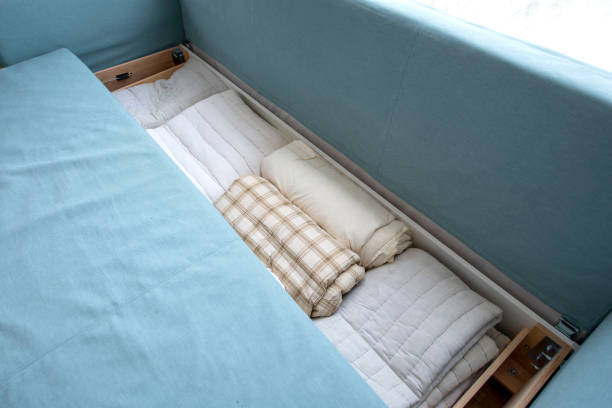
Hidden storage is key to maintaining a tidy room. Under-bed storage boxes, built-in wardrobes, and modular units help keep items organized without taking up additional space.
According to home organization trends, concealed storage reduces visual noise and improves functionality. When surfaces are clear, the room automatically feels more spacious.
Consider:
- Drawer organizers for better compartmentalization
- Storage baskets for quick access items
- Vertical wardrobes for maximizing height
Keeping everything in its place ensures your bedroom remains both stylish and practical.
9. Add Texture for Warmth and Depth:
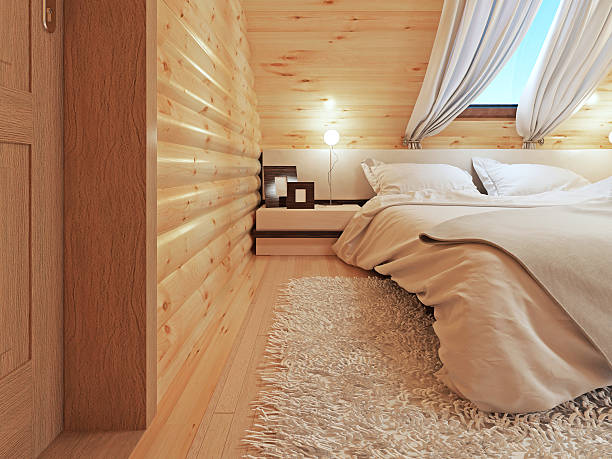
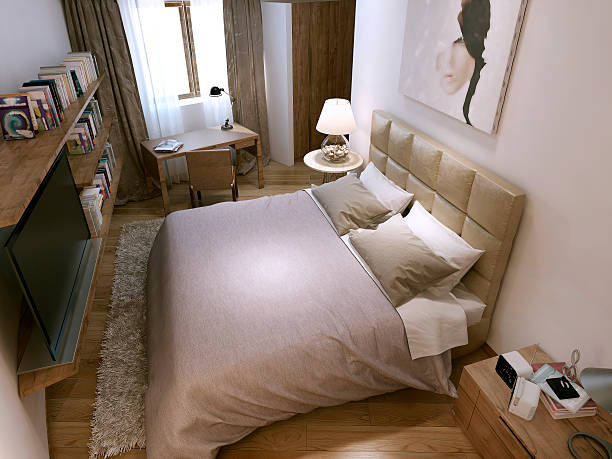
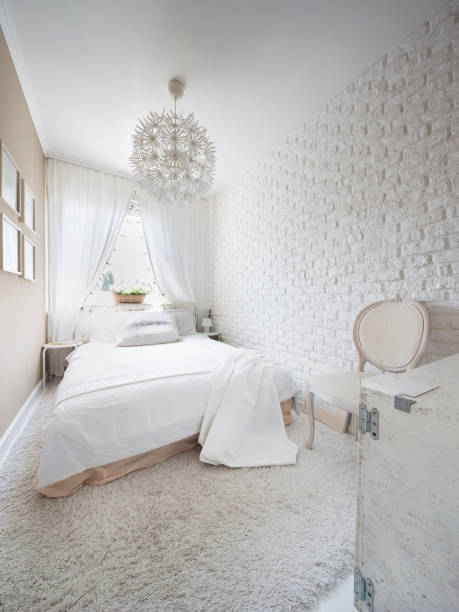
While minimalism is important, texture adds character to a small bedroom. Without texture, a neutral room can feel flat or lifeless.
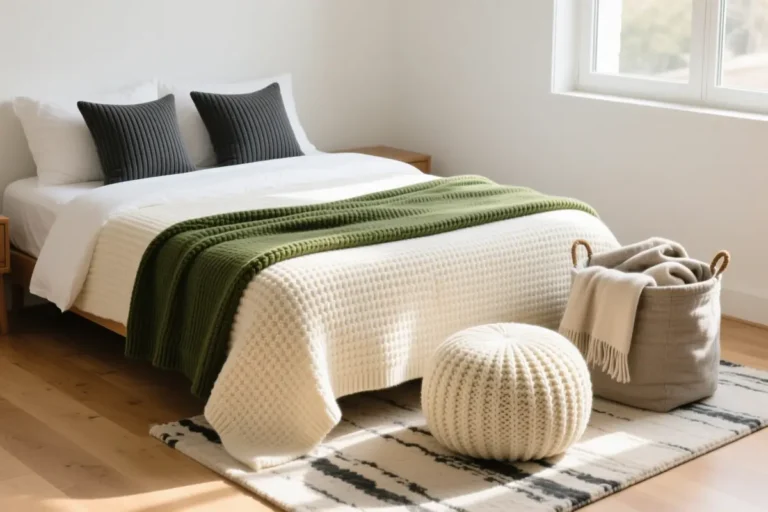
Materials like linen, cotton, wood, and boucle create a cozy atmosphere. Layering textures through bedding, curtains, and rugs enhances visual depth without adding bulk.
For example, pairing a soft linen duvet with a textured throw and a woven rug creates warmth while maintaining simplicity.
This balance prevents the room from feeling plain or sterile, making it more inviting and comfortable.
10. Create a Focal Point:
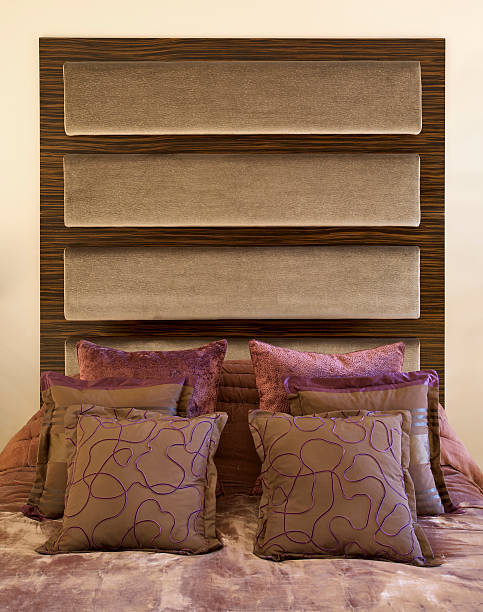
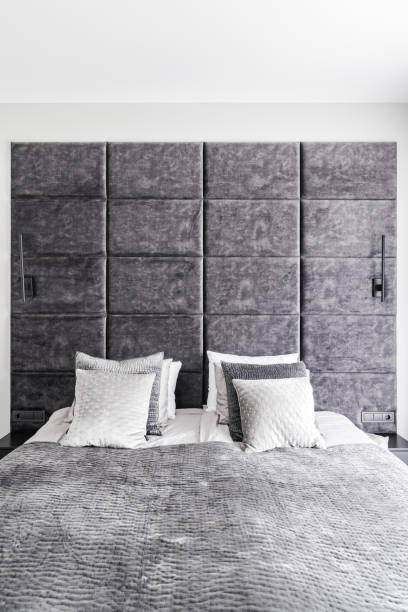
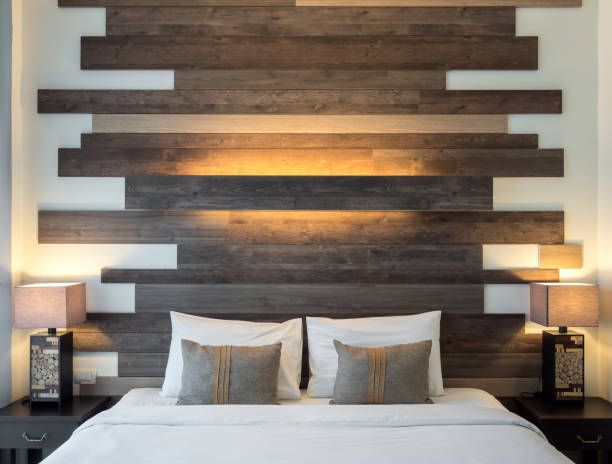
Every room needs a focal point to anchor the design. In a small bedroom, this could be a feature wall, a statement headboard, or bold artwork.
A focal point draws attention and adds personality. It also helps structure the overall design so the room feels intentional rather than random.
You can create a focal point by:
- Using a bold paint color or wallpaper on one wall
- Choosing a unique headboard design
- Adding a large piece of artwork above the bed
Keeping the rest of the room simple ensures the feature stands out effectively without overwhelming the space.
Key Principles for a Successful Small Bedroom Makeover:
To get the best results from your small bedroom makeover, keep these essential principles in mind:
- Prioritize functionality with multi-purpose furniture
- Use light colors to enhance openness
- Maximize vertical storage space
- Maintain a clutter-free environment
- Balance minimalism with texture and warmth
According to current interior design trends, small spaces are no longer seen as limitations. They are opportunities to create smart, personalized environments that reflect modern lifestyles.
Extra Styling Tips to Make Your Small Bedroom Feel Even Bigger
Beyond the core ideas, small design tweaks can further enhance the overall feel of your bedroom.
Use sheer curtains instead of heavy drapes to allow more natural light into the room. Natural light is one of the most powerful ways to make a space feel larger.
Choose furniture with exposed legs instead of bulky, floor-touching pieces. This creates a sense of openness and allows light to flow underneath.
Stick to a low-profile bed if your ceiling is not very high. Lower furniture visually expands vertical space.
Keep a consistent design theme throughout the room. Mixing too many styles can create visual clutter and make the space feel chaotic.
These small decisions can make a noticeable difference in how your bedroom looks and feels.
Final Thoughts:
A small bedroom makeover is not about compromising on style. It is about making smarter choices that maximize both space and comfort.
With the right combination of layout, lighting, color, and storage, even the smallest room can feel open, stylish, and highly functional. The key is to focus on simplicity, balance, and intentional design.
Start with a few changes, observe what works best for your space, and gradually refine your setup. With thoughtful planning, your tiny bedroom can become one of the most beautiful and comfortable areas in your home.