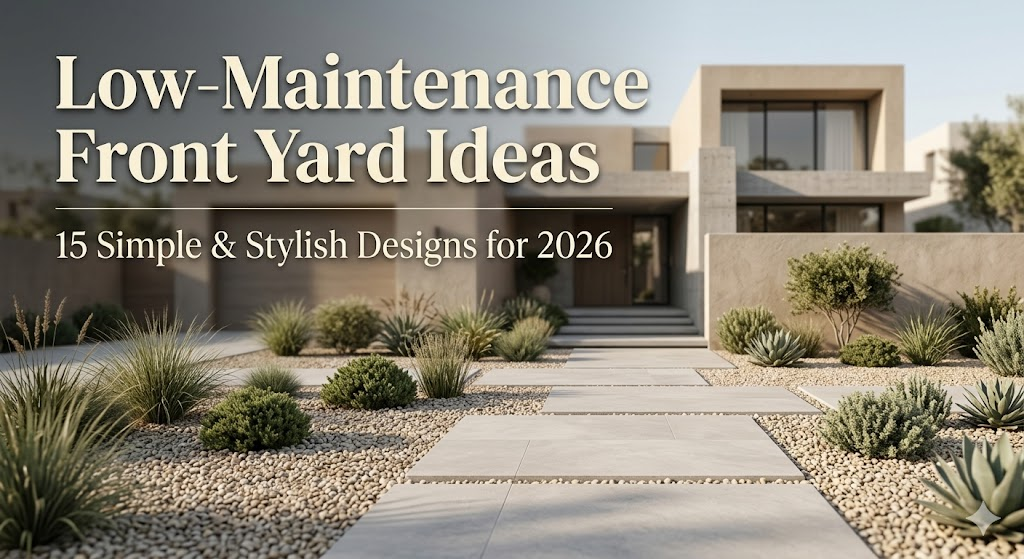
Say Goodbye to Yard Work: These 15 Low-Maintenance Front Yard Ideas Are Taking Over in 2026:
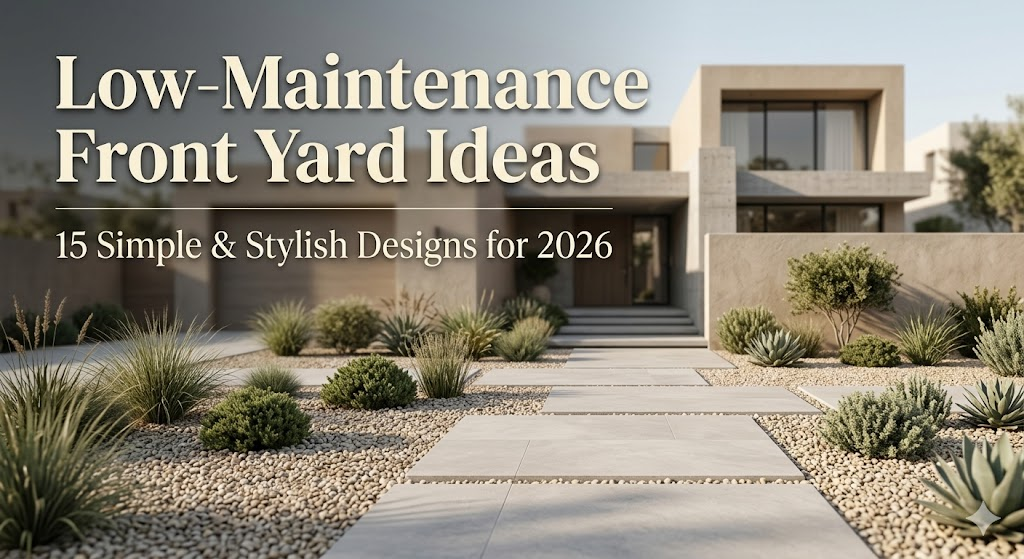
A low-maintenance front yard is no longer just a luxury—it’s becoming the new standard for modern homeowners. In 2026, more people are replacing traditional lawns with smarter landscaping solutions that require little to no upkeep while still looking visually stunning.
Between rising water costs, unpredictable climate conditions, and increasingly busy lifestyles, the shift toward front yard landscaping with no maintenance is happening fast. According to landscaping trends and design reports, homeowners are now prioritizing durability, sustainability, and long-term simplicity over high-maintenance aesthetics.
But here’s the real shift: people are no longer asking “How do I maintain my yard?”—they’re asking “How can I design a yard that doesn’t need maintenance at all?”
The ideas below are designed to help you create a modern, functional, and almost maintenance-free front yard that enhances your home’s curb appeal without demanding your time.
Why Low-Maintenance Front Yards Are Dominating in 2026:
The move toward low-maintenance landscaping is driven by both practical and environmental reasons.
According to current landscaping insights:
- Traditional lawns require frequent watering, mowing, and fertilizing
- Many homeowners are reducing lawn coverage by up to 50% or more
- Sustainable landscaping is becoming a priority due to water conservation concerns
Reports suggest that reducing lawn areas and switching to drought-tolerant designs can significantly lower water usage and maintenance time.
In addition, modern design trends emphasize:
- Minimalist outdoor spaces
- Natural textures like stone and gravel
- Functional yet aesthetic layouts
This has led to the rise of parterre devant maison sans entretien, or front yards that look elegant while requiring minimal care.
Core Principles of a Low-Maintenance Front Yard:
Before diving into specific ideas, understanding the foundation will help you design effectively.
1. Reduce or Eliminate Grass:
Grass is the most demanding element in any yard. Replacing it is the biggest step toward reducing maintenance.
2. Choose Durable Materials:
Focus on long-lasting materials such as:
- Gravel
- Natural stone
- Concrete slabs
- Mineral mulch
3. Use Climate-Appropriate Plants:
Native and drought-tolerant plants adapt better and require less care.
4. Design with Structure and Simplicity:
A well-organized layout reduces chaos and ongoing work.
15 Low-Maintenance Front Yard Ideas That Actually Work:
1. Modern Gravel Landscaping:
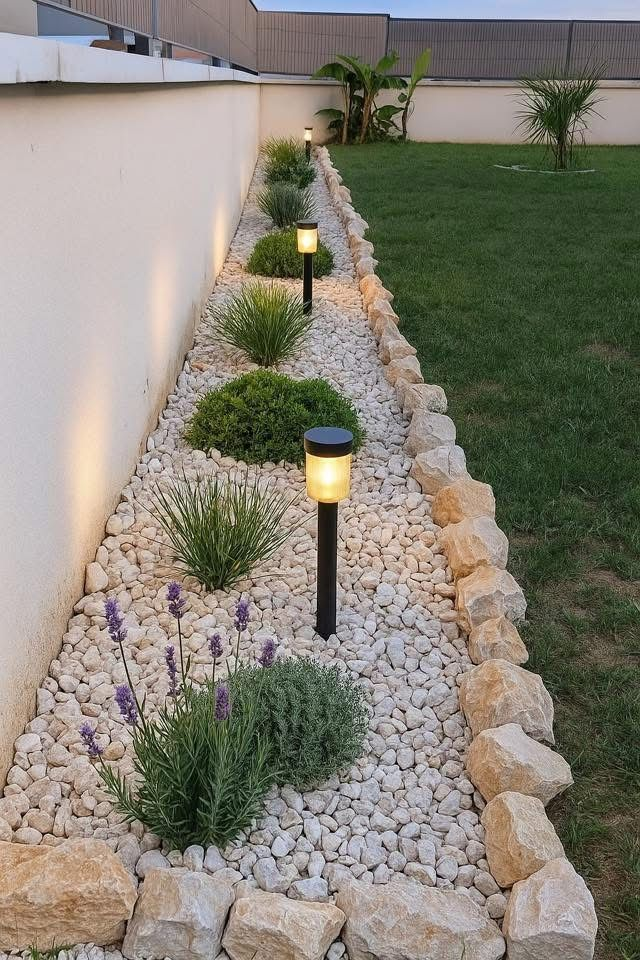
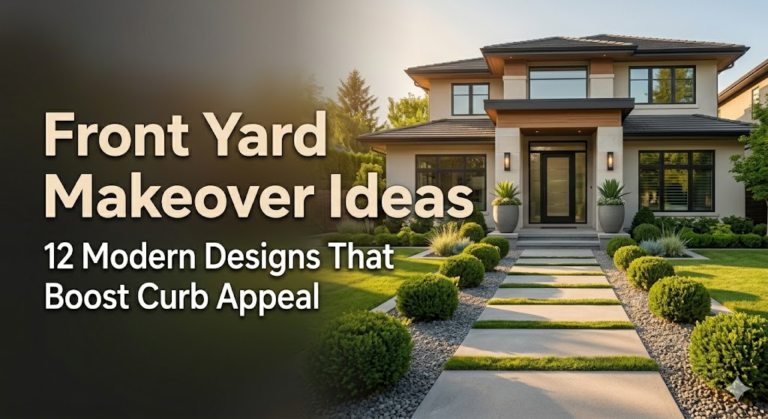
Gravel is one of the easiest and most effective ways to create a clean, modern yard.
- Requires no mowing
- Excellent drainage
- Works with minimalist designs
It’s often used as a base layer combined with plants and pathways.
2. Minimalist Rock Garden:
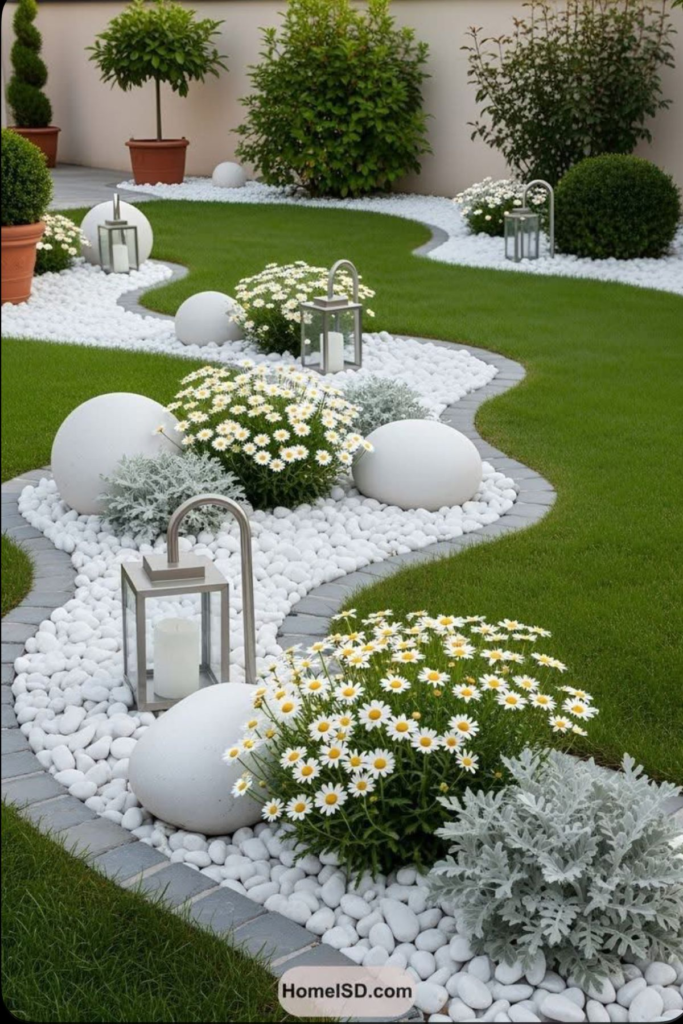
Rock gardens are ideal for homeowners who want a striking design without effort.
- Use different sizes of stones for texture
- Add a few sculptural plants
- No regular watering required
This approach is both artistic and practical.
3. Ground Cover Instead of Lawn:
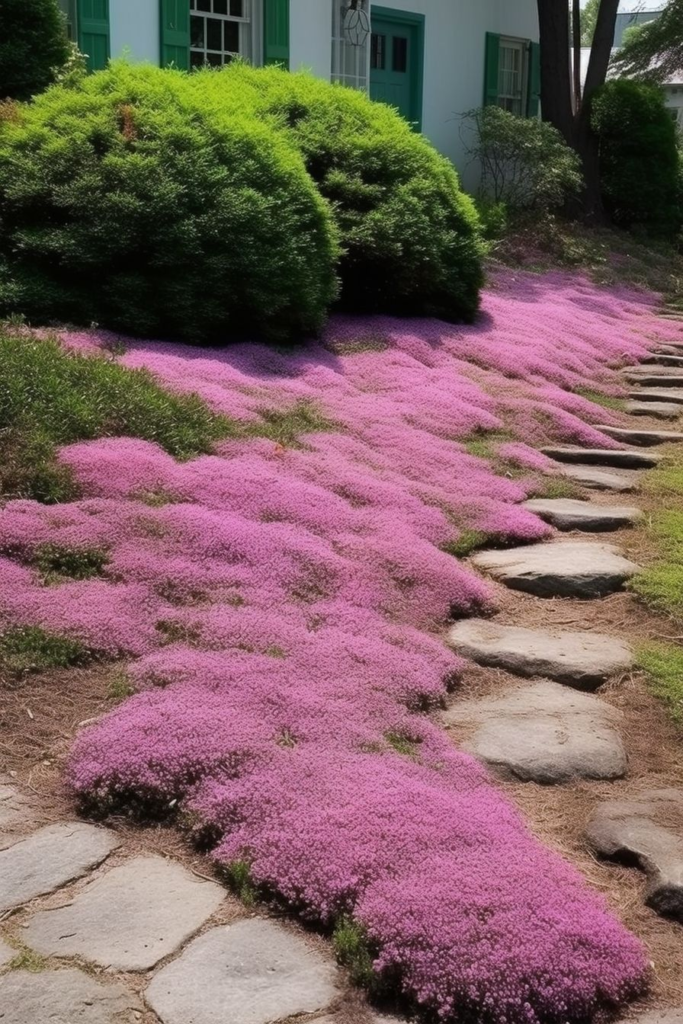
Replacing grass with ground cover plants is a game changer.
Popular options include:
- Creeping thyme
- Sedum
- Moss
According to gardening experts, these alternatives reduce water usage and eliminate mowing needs.
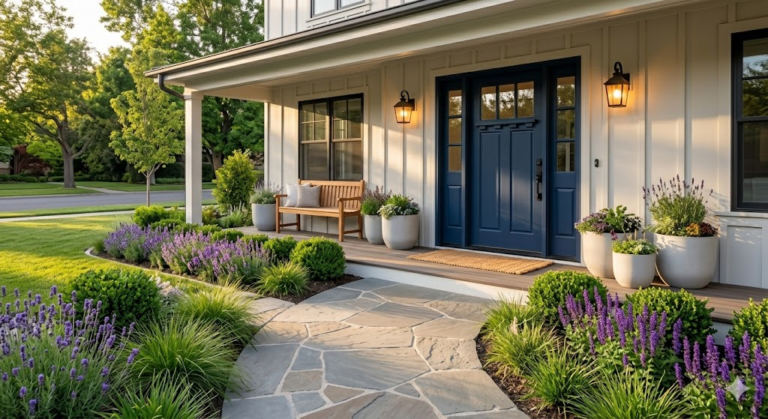
4. Stepping Stone Pathways:
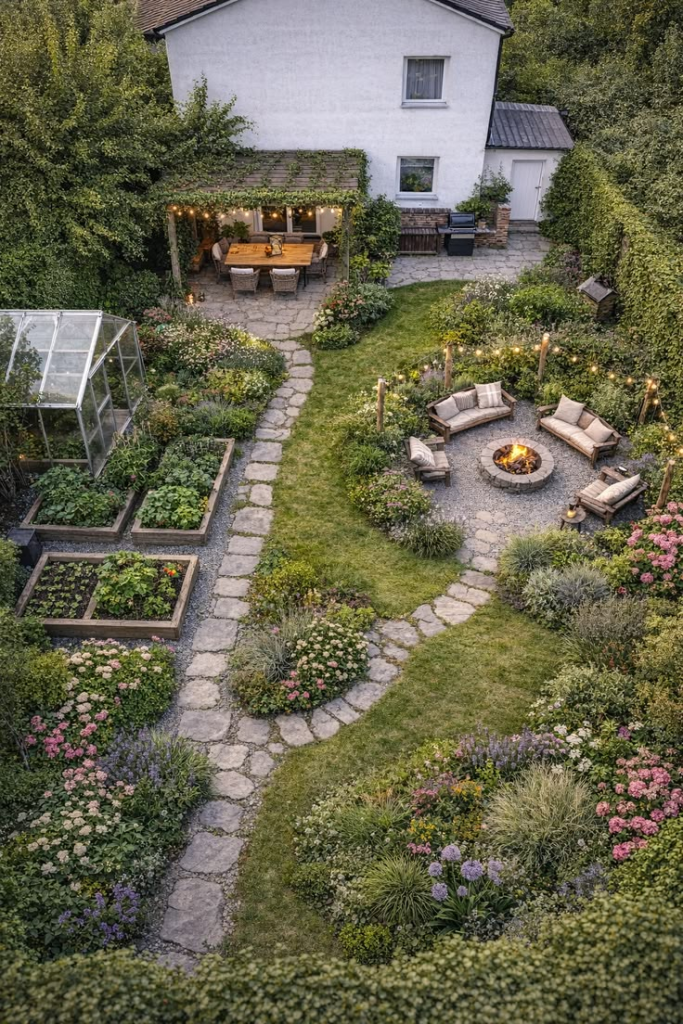
Stepping stones create structure and usability.
- Define walking paths
- Prevent soil wear
- Blend naturally with gravel or plants
They also enhance visual flow.
5. Mulch-Based Garden Beds:
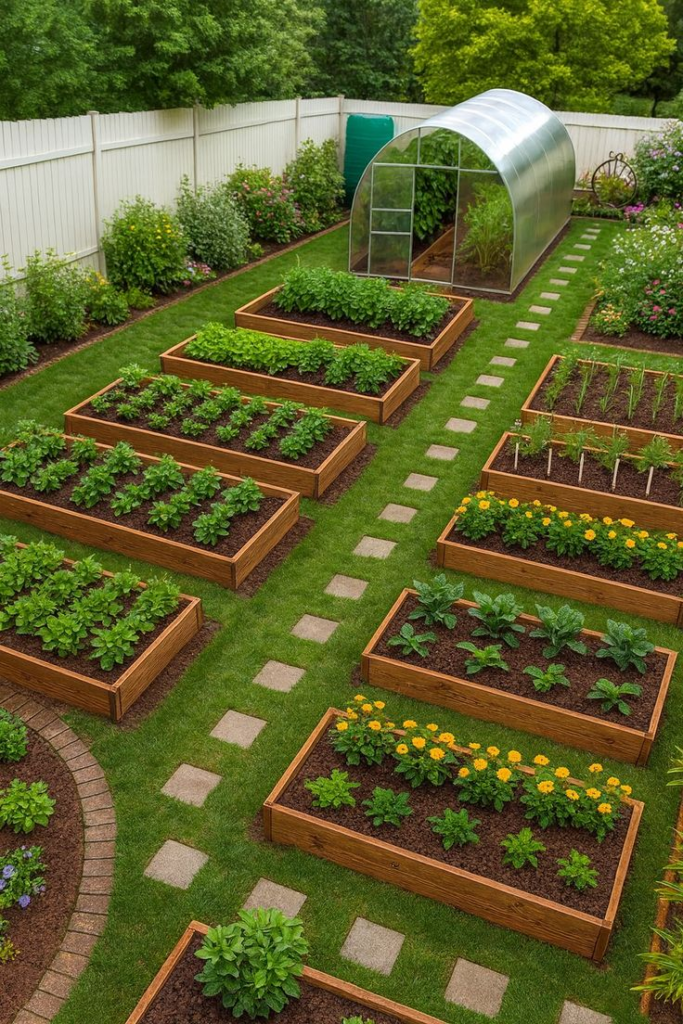
Mulch helps maintain soil health while reducing work.
- Suppresses weeds
- Retains moisture
- Improves plant growth
Both organic and mineral mulch can be used.
6. Xeriscape Design:
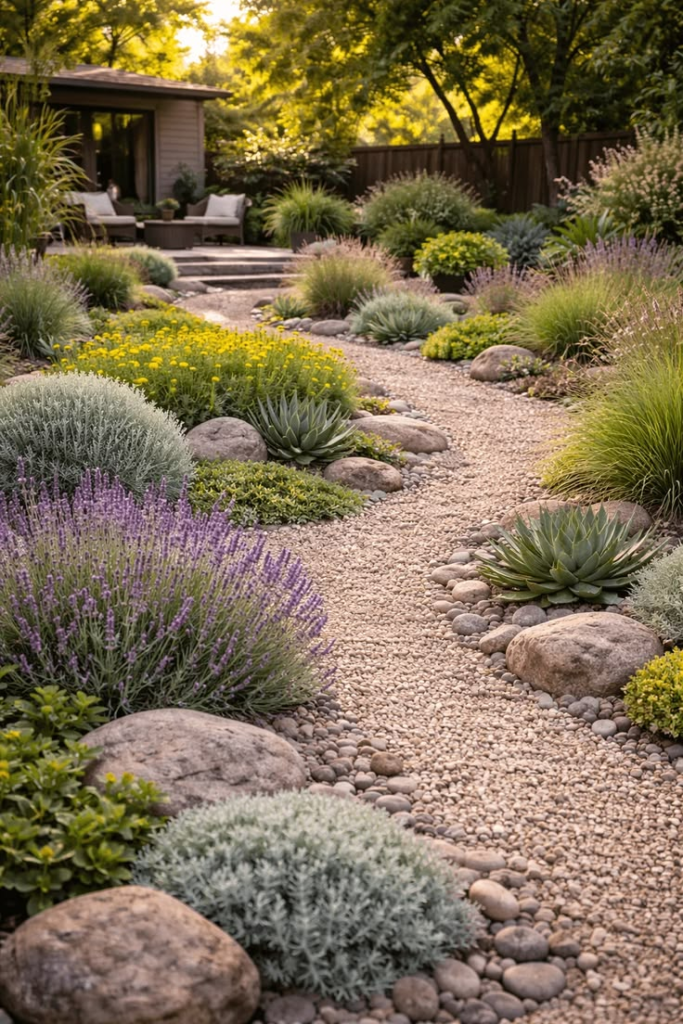
Xeriscaping focuses on water efficiency.
- Uses drought-resistant plants
- Minimizes irrigation
- Ideal for hot climates
This method is becoming increasingly popular worldwide.
7. Defined Edging and Borders:
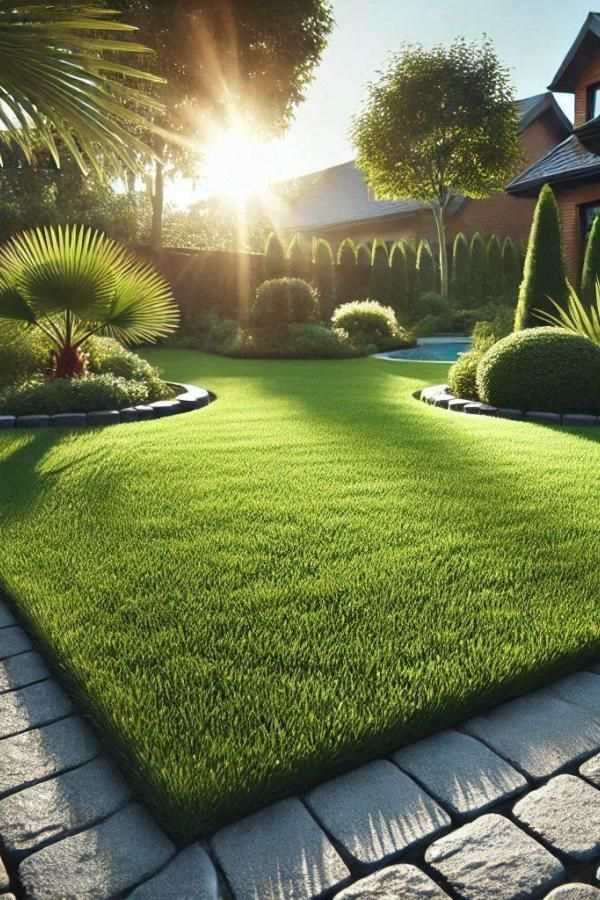
Clear borders keep your yard neat and controlled.
- Prevent grass spread
- Reduce trimming
- Create a polished look
Materials like steel or stone work best.
8. Perennial Plant Layouts:
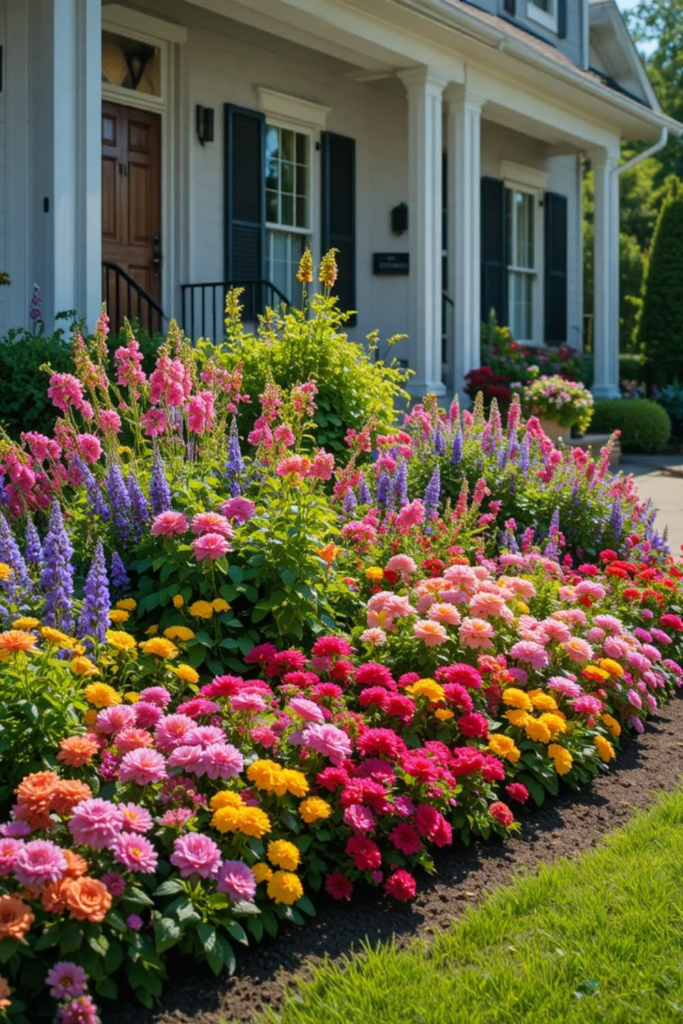
Perennials return every year, reducing planting effort.
- Long-term cost savings
- Consistent design
- Adapt well to environments
9. Raised Garden Beds:
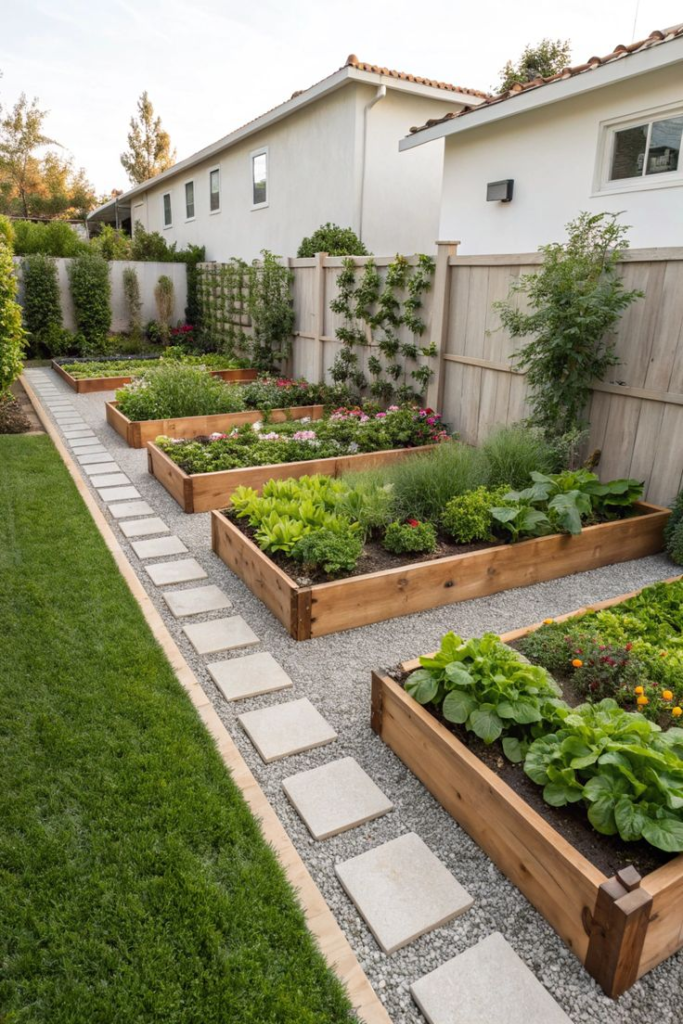
Raised beds provide better control over your plants.
- Improved drainage
- Less weed growth
- Easier maintenance
They also add structure to your design.
10. Decorative Stone Features:
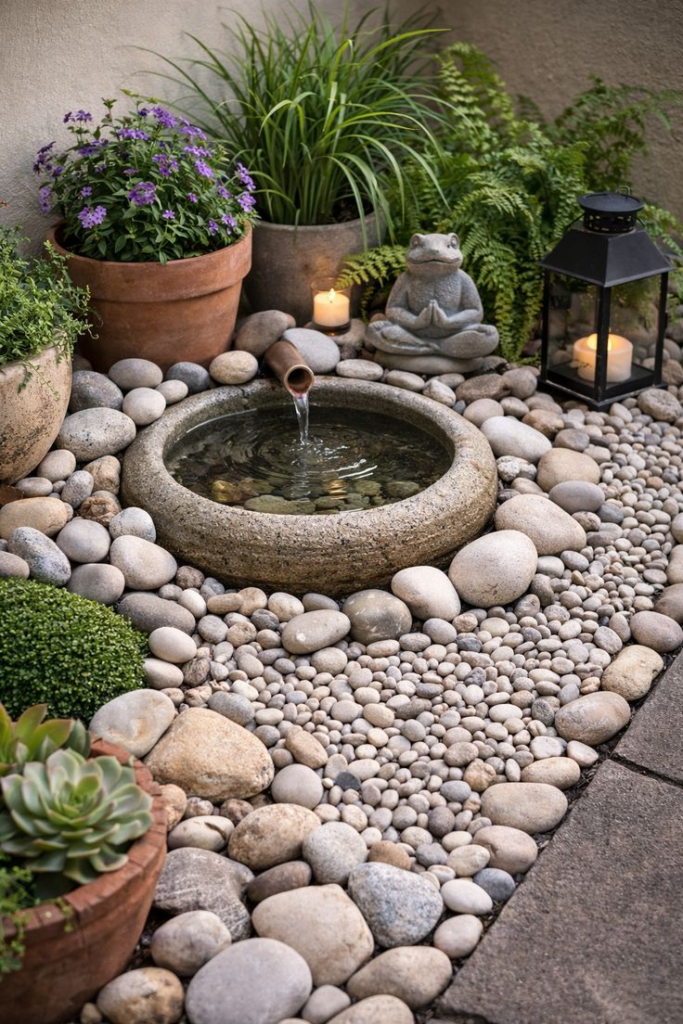
Large stones or boulders add natural beauty.
- No maintenance required
- Create focal points
- Enhance texture
11. Artificial Grass (Optional Solution):
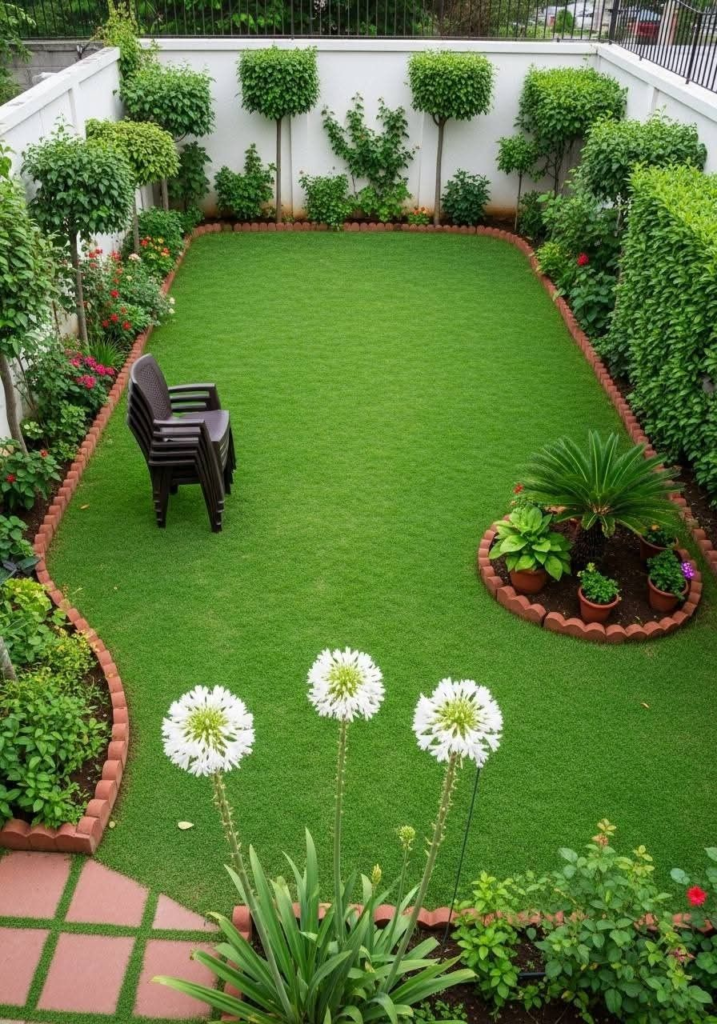
Artificial turf offers the look of grass without the upkeep.
- No watering
- No mowing
- Always green
Reports indicate increasing adoption in urban landscaping due to its convenience.
12. Native Plant Landscaping:
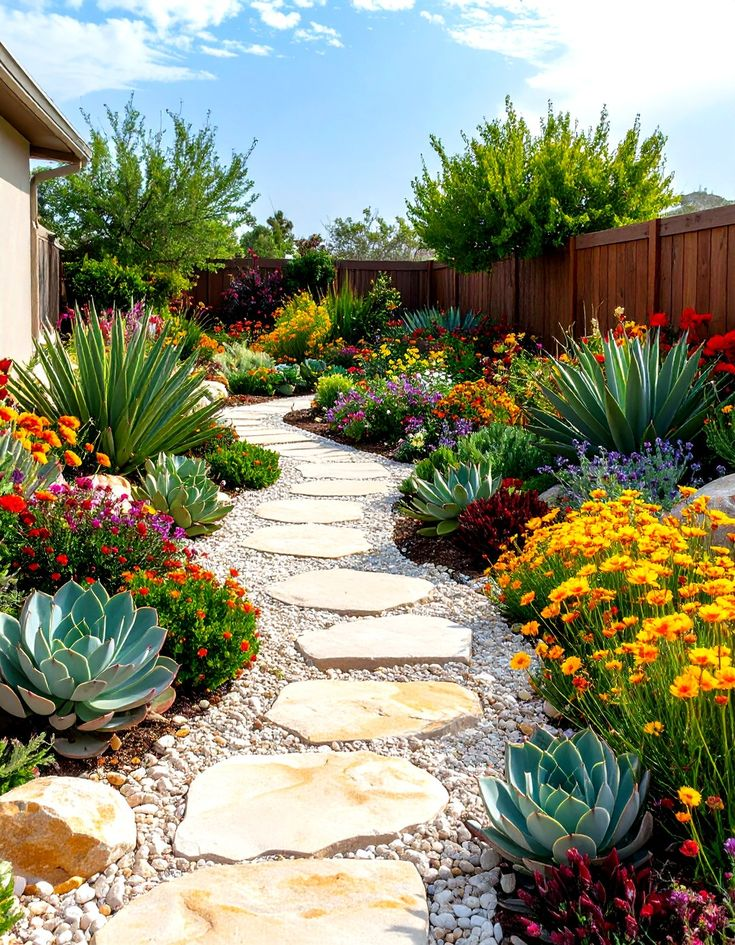
Using native plants is one of the smartest choices.
- Adapted to local climate
- Require less water
- Support biodiversity
13. Mixed Texture Design:
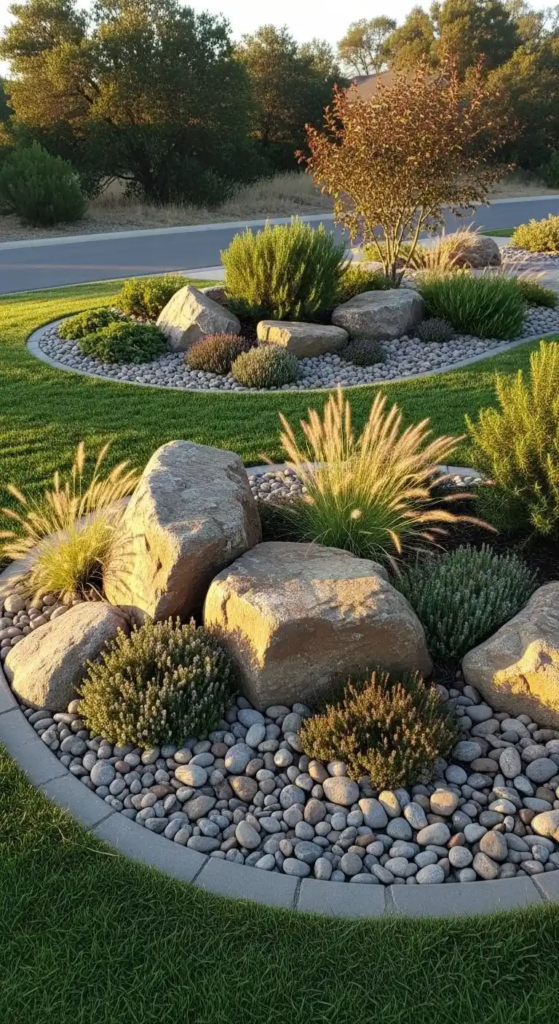
Combining materials adds visual depth.
- Gravel + wood
- Stone + plants
- Concrete + greenery
This creates a designer-level aesthetic with minimal effort.
14. Vertical Landscaping Elements:
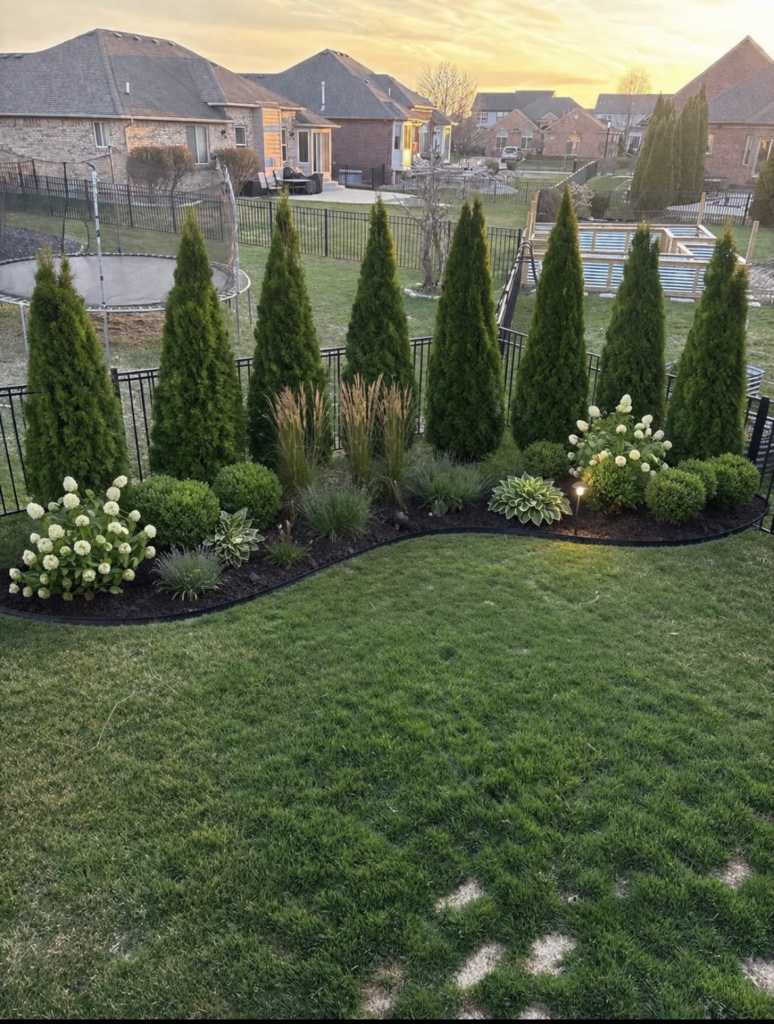
Adding height improves the overall look.
- Small trees
- Sculptural shrubs
- Upright grasses
These require minimal pruning but add strong visual impact.
15. Hybrid Low-Maintenance Layout:
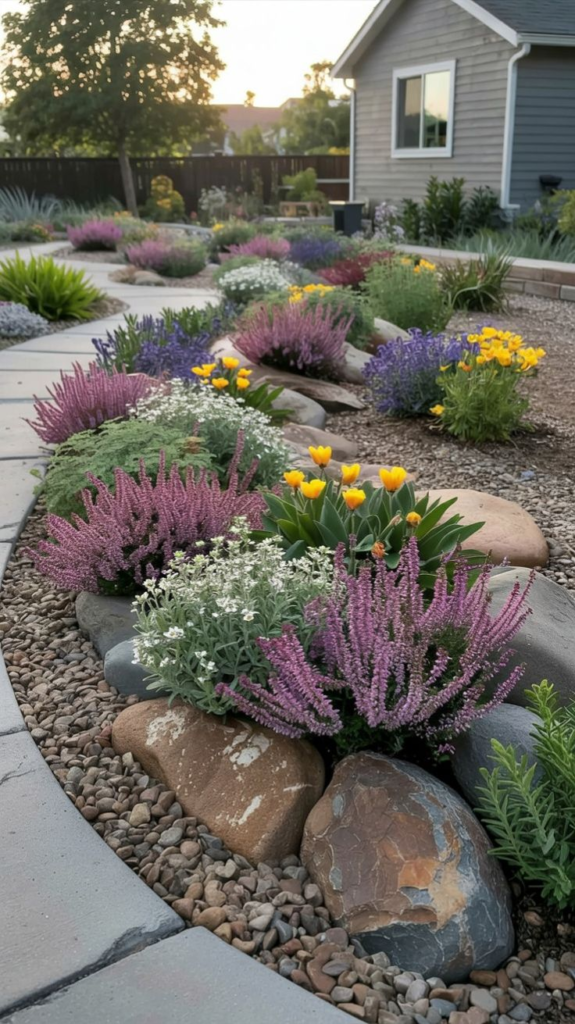
The best approach combines multiple elements.
A typical hybrid design includes:
- Gravel base
- Native plants
- Defined pathways
- Minimal lawn areas
This creates a balanced and highly functional yard.
Comparison: Traditional vs Low-Maintenance Front Yard:
| Feature | Traditional Lawn | Low-Maintenance Yard |
| Water Usage | High | Low |
| Maintenance Time | Frequent | Minimal |
| Cost Over Time | Expensive | Cost-efficient |
| Sustainability | Low | High |
| Design Flexibility | Limited | Highly customizable |
Practical Tips to Keep Maintenance Near Zero:
Even low-maintenance yards require smart planning.
Key Tips:
- Install weed barriers under gravel
- Avoid fast-growing plants
- Space plants properly
- Use automatic irrigation if needed
Experts suggest that proper planning can reduce maintenance work by up to 70%.
Common Mistakes to Avoid:
Overdesigning the Space:
Too many elements increase maintenance.
Ignoring Climate Conditions:
Always design based on your environment.
Choosing High-Maintenance Plants:
Exotic plants often require more care.
Cost vs Long-Term Savings:
While some low-maintenance designs may require a higher upfront investment, they often save money over time.
Initial Costs May Include:
- Materials (gravel, stone, plants)
- Installation
- Landscaping design
Long-Term Savings:
- Reduced water bills
- Lower maintenance costs
- Less need for tools and services
Over time, these savings can be significant.
Future of Low-Maintenance Landscaping:
Looking ahead, the trend is expected to grow even stronger.
According to design forecasts:
- Smart irrigation systems will become standard
- Climate-adaptive landscaping will expand
- More homeowners will adopt no-lawn designs
There is also a growing interest in:
- Eco-friendly materials
- Biodiversity-focused gardens
- Self-sustaining outdoor spaces
Final Thoughts:
A low-maintenance front yard is one of the most practical and visually rewarding upgrades you can make in 2026.
It aligns with modern lifestyles, reduces environmental impact, and creates a space that looks beautiful year-round without constant effort.
Whether you choose gravel, native plants, or a hybrid design, the goal remains the same:
Create a space that works for you—not one that demands your time.
Because today, the smartest gardens aren’t the ones that need attention every weekend—
they’re the ones that stay beautiful on their own.