12 Garden Decor Ideas Everyone Is Using in 2026 to Instantly Upgrade Their Outdoor Space:
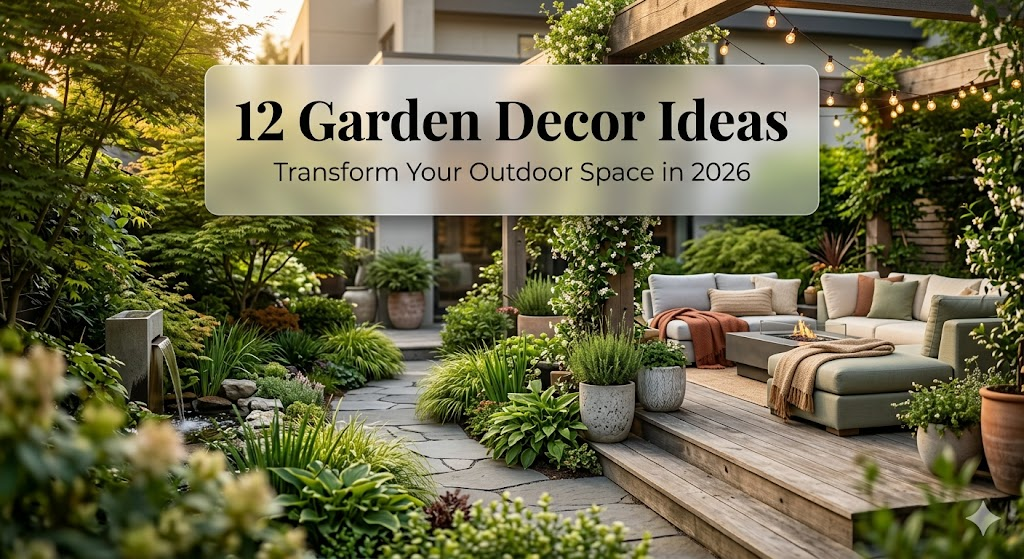
If you’re looking for garden decor ideas that actually transform your outdoor space, 2026 brings a clear direction: gardens are no longer just decorative areas. They are becoming functional, cozy, and eco-conscious extensions of the home. According to recent design insights, the focus has shifted toward outdoor living, sustainability, and natural aesthetics, making gardens more usable and personal than ever before.
But here’s the real question: how do you turn a basic garden into a space that feels modern, inviting, and practical without overspending or overdesigning?
This research-backed guide explores 12 garden decor ideas, along with the latest trends in layout, materials, and styling, so you can create an outdoor space that feels both beautiful and purposeful.
Garden Decor Trends in 2026: What’s Changing and Why It Matters:
Before diving into ideas, it’s important to understand the broader shift shaping garden design.
According to industry reports and landscaping experts:
- Gardens are evolving into “outdoor rooms” that function like indoor living spaces
- There is a strong move toward sustainable and wildlife-friendly design
- Natural materials are replacing synthetic elements
- Layouts are becoming more organic and less structured
- Multi-season usability is becoming a priority, with designs that work beyond just summer
Reports suggest that homeowners are prioritizing wellbeing, relaxation, and environmental impact when designing outdoor spaces.
This shift reflects a growing desire to create spaces that are not only visually appealing but also meaningful, flexible, and comfortable throughout the year.
12 Garden Decor Ideas to Transform Your Outdoor Space:
1. Create a Cozy Outdoor Seating Area:
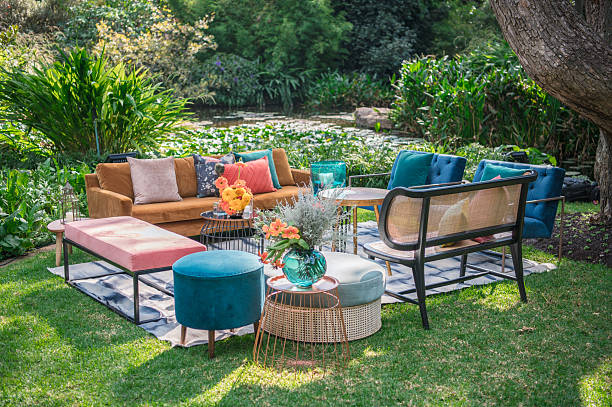
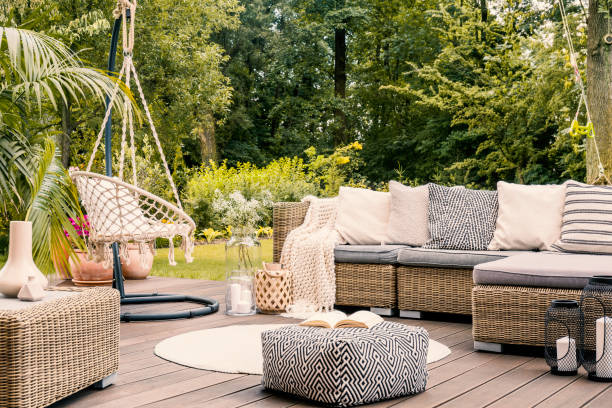
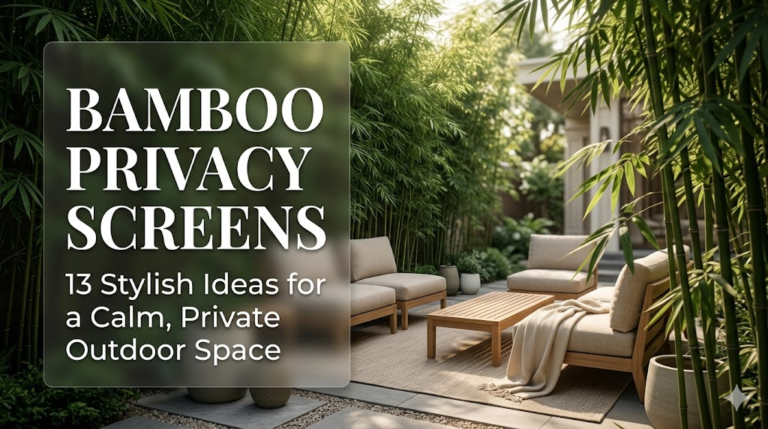
The foundation of any modern garden is a comfortable seating zone.
Key elements include:
- Weather-resistant sofas or lounge chairs
- Layered cushions and textured throws
- A central coffee table, fire pit, or low table
Adding rugs designed for outdoor use can further define the space and make it feel like a true extension of your living room.
2. Use Layered Outdoor Lighting:
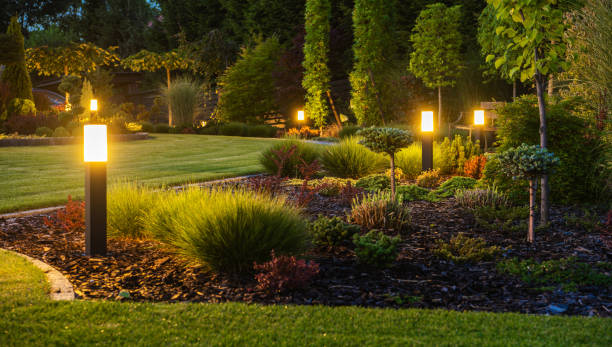
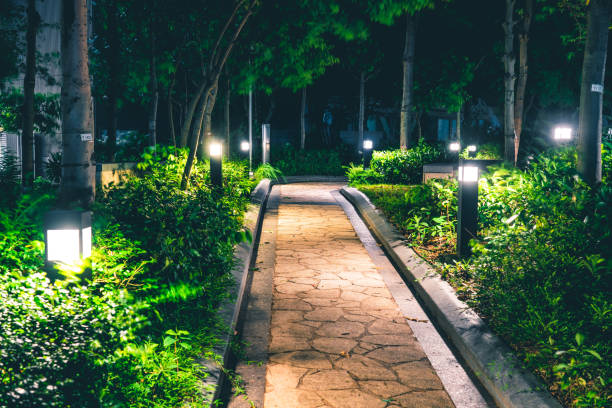
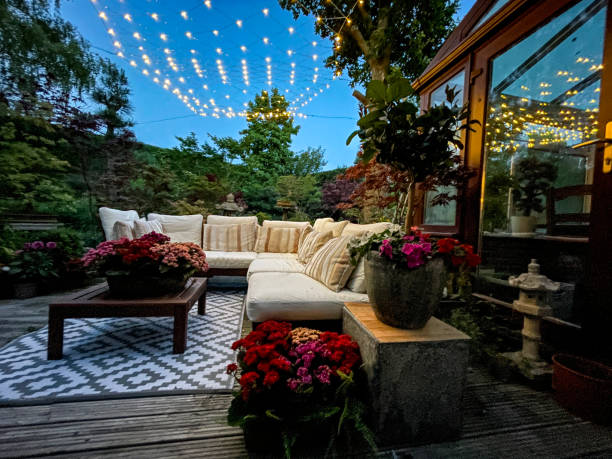
Lighting plays a crucial role in setting the mood and extending usability into the evening.
Combine different types:
- String lights for ambiance
- Solar path lights for safety
- Lanterns or candles for warmth
- Spotlights to highlight plants or features
According to design experts, layered lighting can dramatically enhance both functionality and emotional comfort in outdoor environments.
3. Add Raised Garden Beds for Structure:
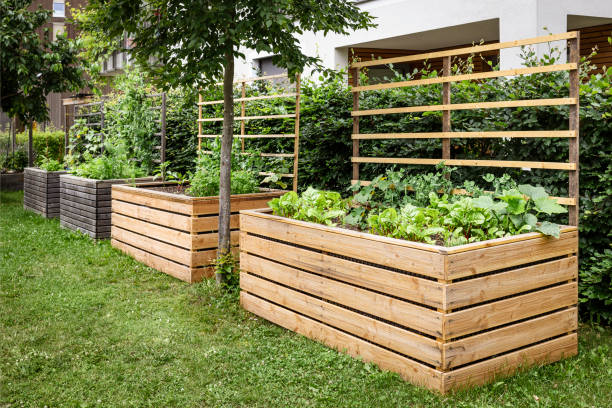
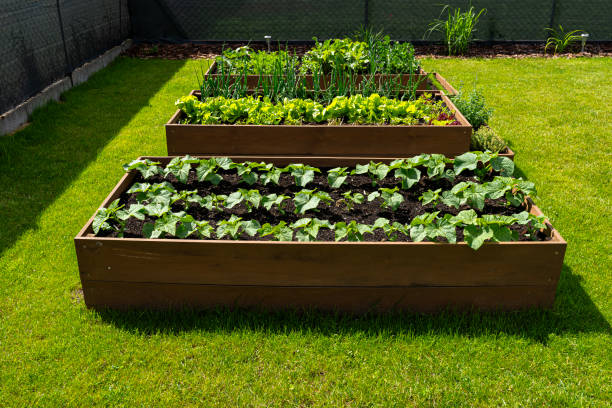
Raised beds are both practical and decorative, offering a clean and organized look.
Benefits:
- Define garden zones clearly
- Improve soil quality and drainage
- Make maintenance easier
They are ideal for combining edible plants with decorative flowers.
4. Incorporate Natural Materials:
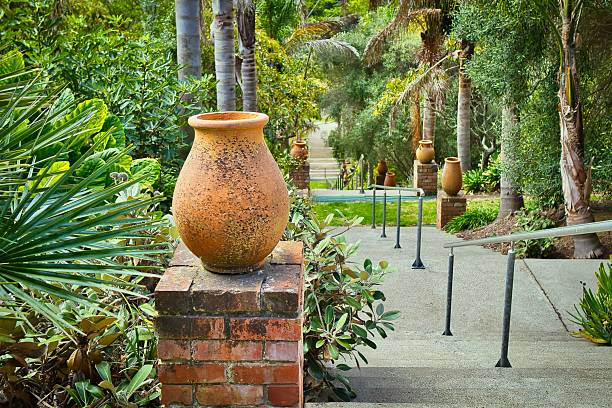
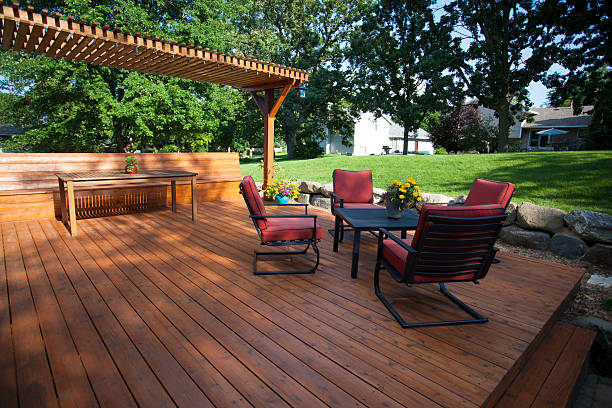
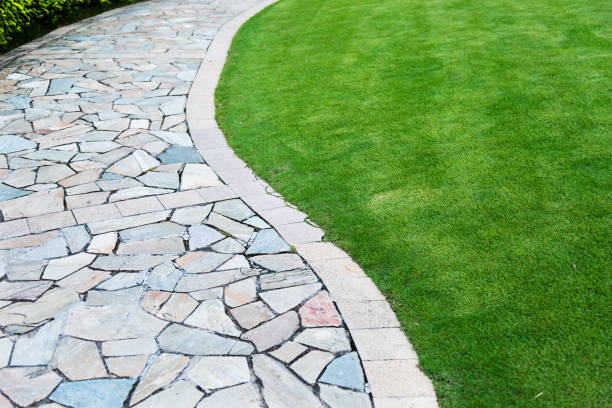
Natural textures are essential for creating a modern yet timeless garden.
Best materials:
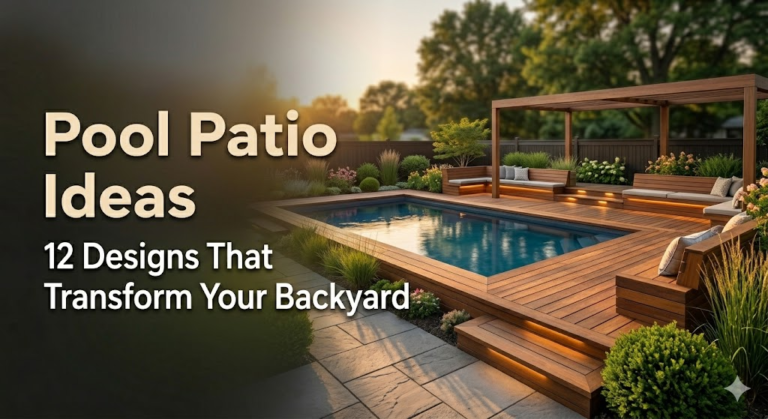
- Wood for furniture and decking
- Stone for pathways and edging
- Terracotta for pots and accents
These materials blend seamlessly with nature and age beautifully over time.
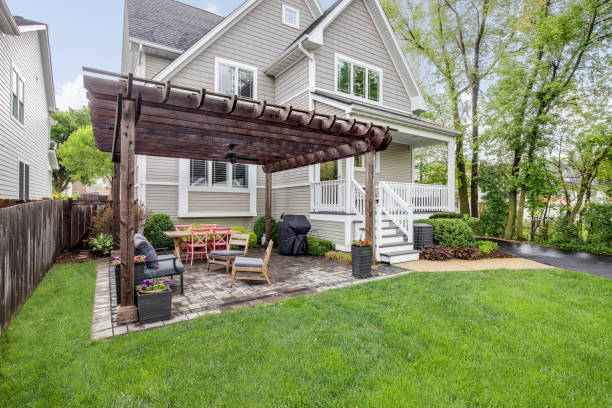
5. Design an Outdoor Dining Space:
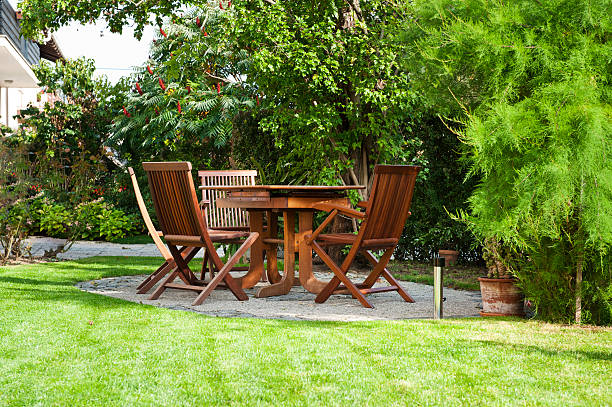
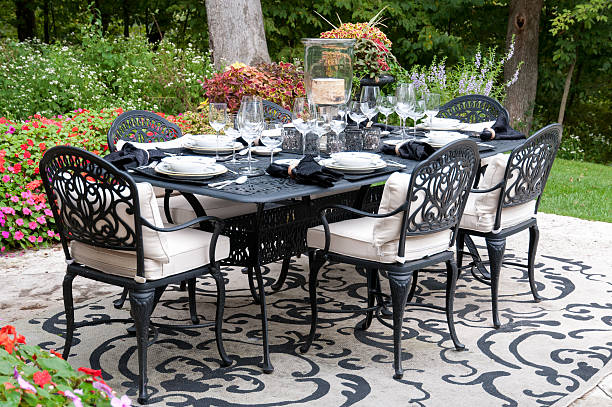
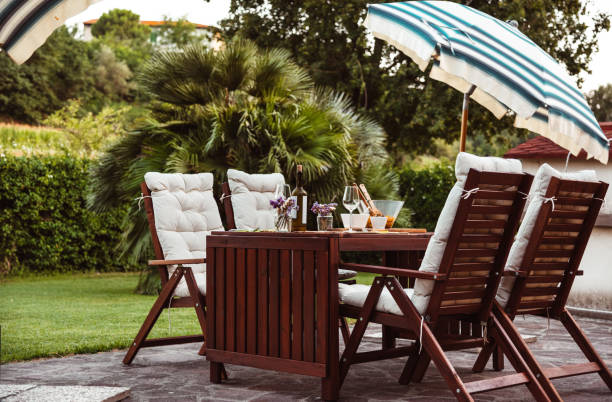
Outdoor dining is becoming a central feature in many homes.
Include:
- A durable dining table
- Comfortable seating
- Shade elements like pergolas, umbrellas, or fabric canopies
This setup allows you to fully utilize your garden for both everyday meals and social gatherings.
6. Introduce Vertical Gardening:
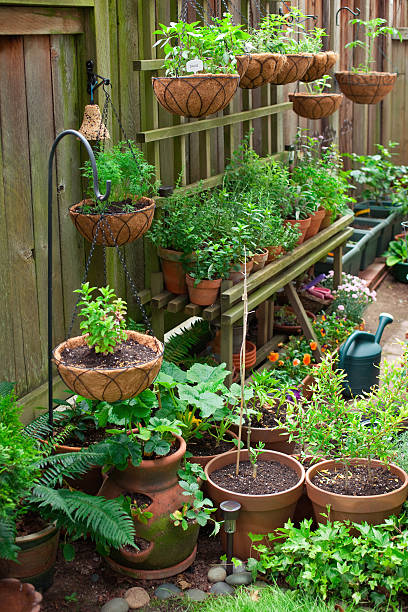
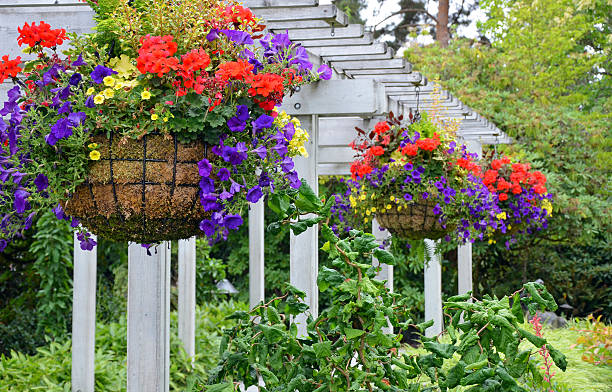
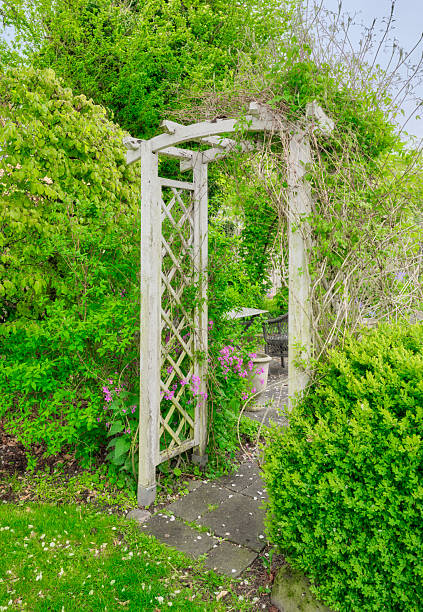
For smaller spaces, vertical gardening offers a smart solution.
Options include:
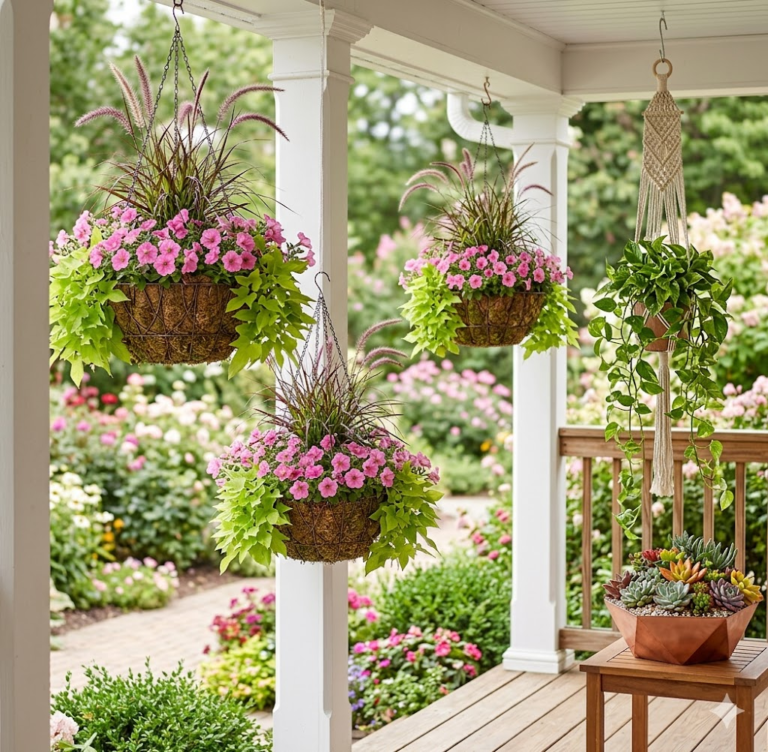
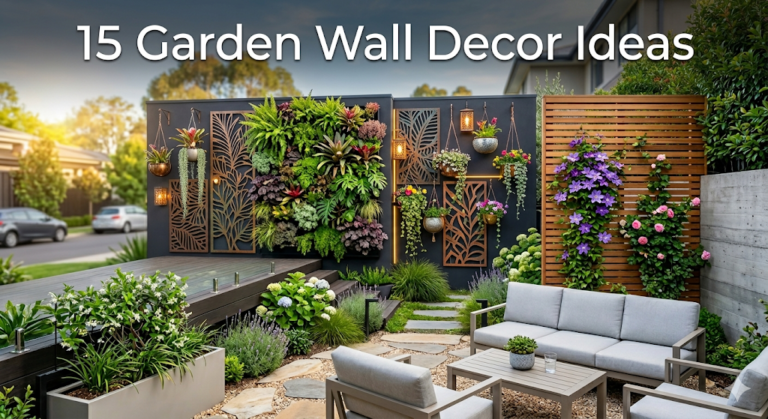
- Wall-mounted planters
- Hanging baskets
- Climbing plants on trellises
This approach maximizes greenery without taking up valuable floor space.
7. Use Decorative Pathways:
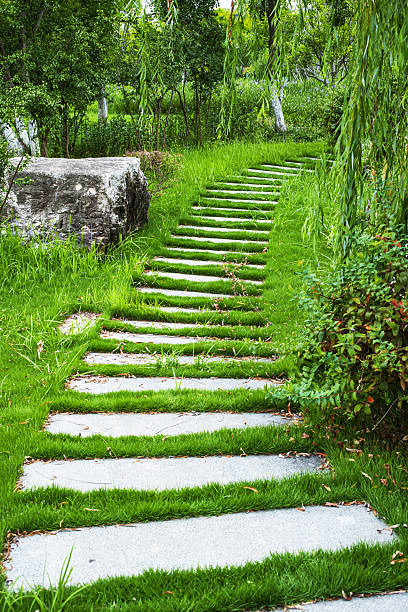
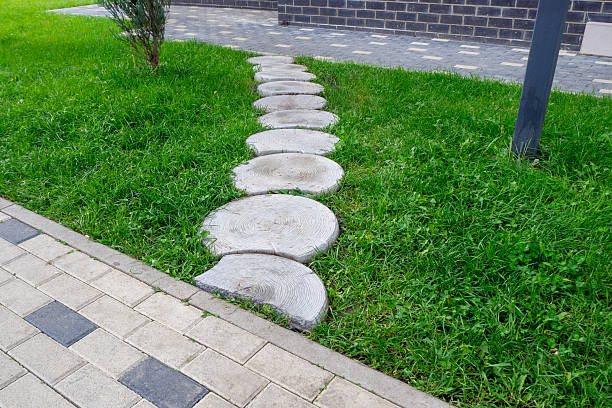
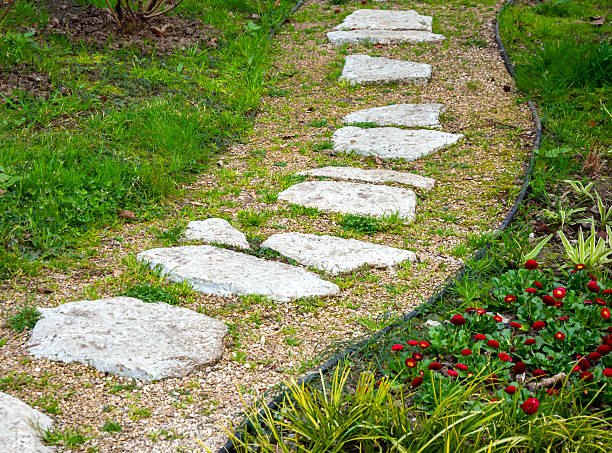
Pathways are now a design statement rather than just a functional necessity.
Popular styles:
- Natural stepping stones
- Gravel pathways with edging
- Brick or patterned layouts
They guide movement while adding structure and visual interest.
8. Add Water Features for Relaxation:
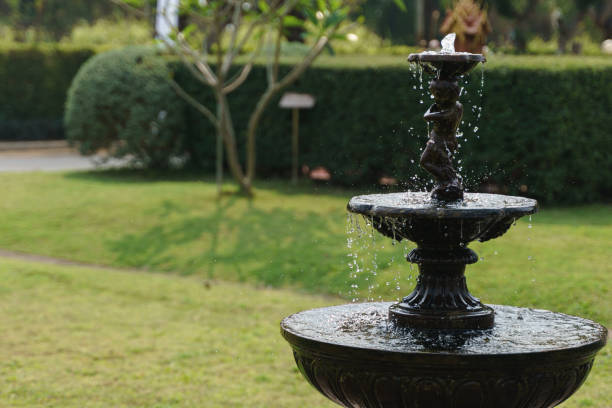
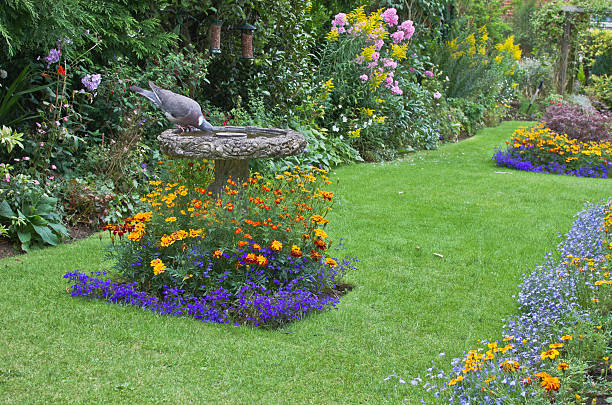
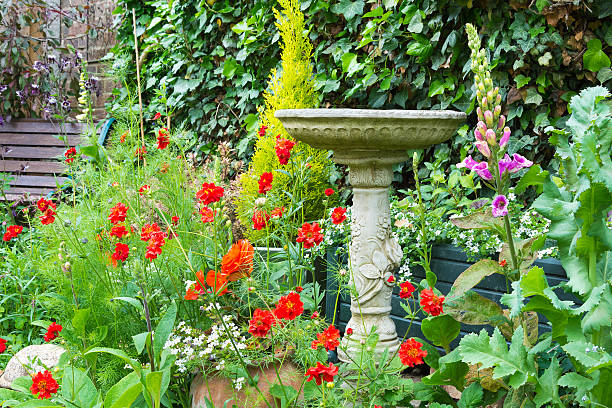
Water features introduce a calming sensory element.
Examples:
- Small fountains
- Birdbaths
- Compact ponds or water bowls
Reports suggest that incorporating water elements can enhance relaxation and create a more immersive outdoor experience.
9. Mix Edible and Decorative Plants:
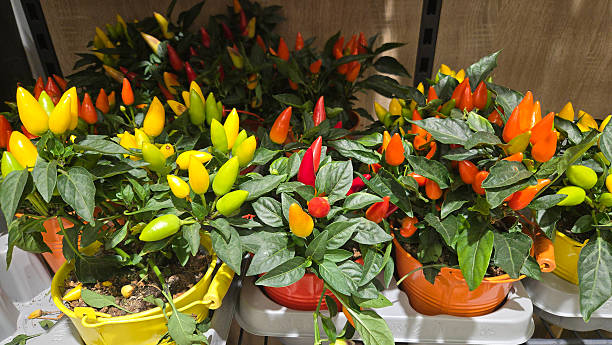
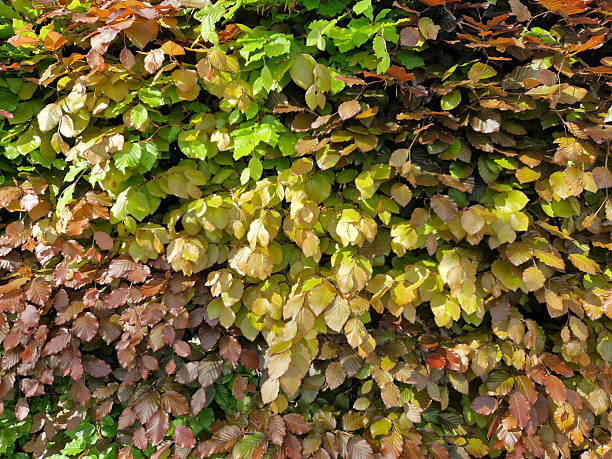
The concept of “grazing gardens” is gaining momentum.
Combine:
- Herbs such as rosemary, mint, and basil
- Vegetables like tomatoes or peppers
- Flowering plants for color and pollinators
This approach creates a garden that is both visually appealing and functional.
10. Create Garden Zones:
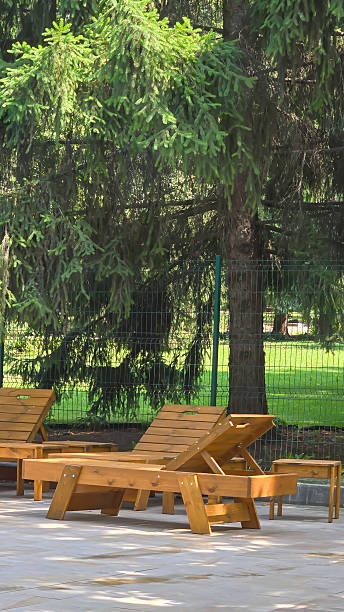
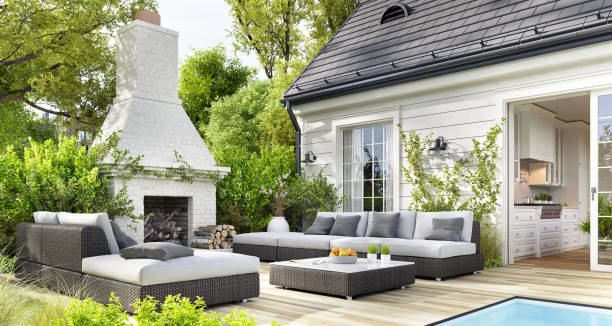
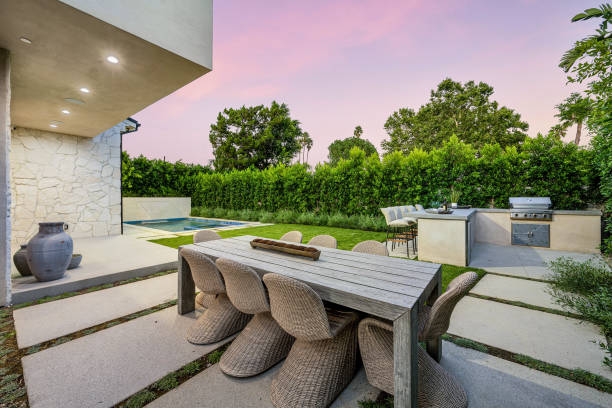
Modern gardens are designed with intentional zones.
Typical areas include:
- Relaxation zone
- Dining area
- Planting or gardening section
Zoning helps organize the space while maintaining a natural flow.
11. Add Statement Planters and Decor Pieces:
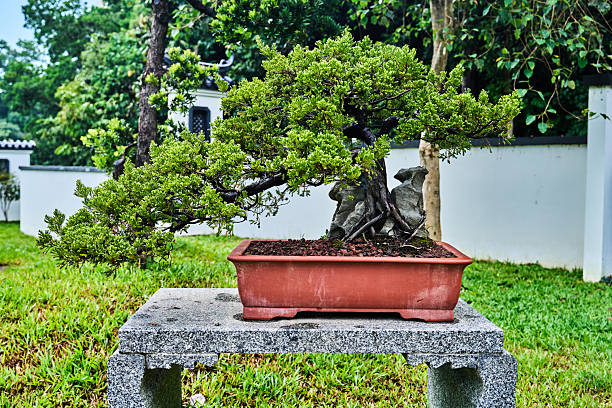
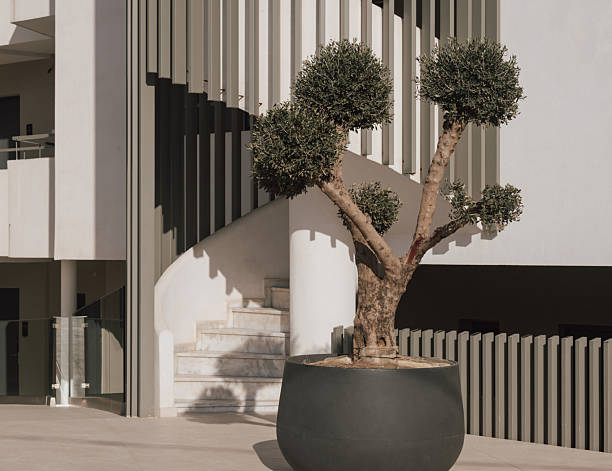
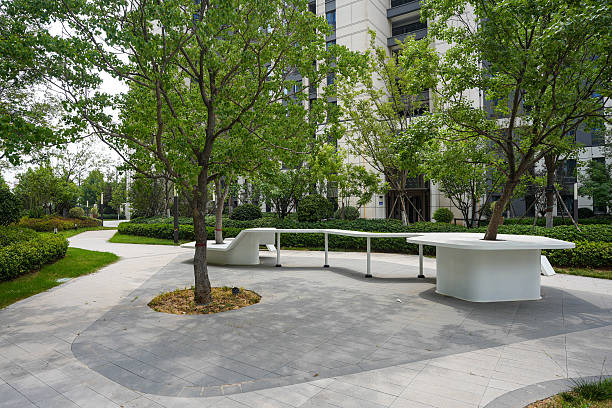
Decorative elements can elevate even the simplest garden.
Ideas include:
- Oversized planters
- Sculptural decor
- Unique benches or seating
These features act as focal points and add personality.
12. Focus on Wildlife-Friendly Design:
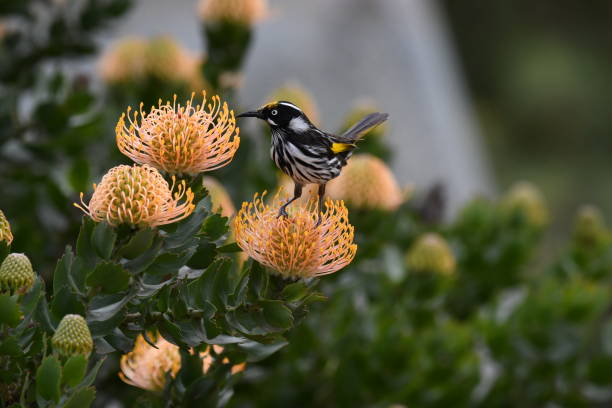
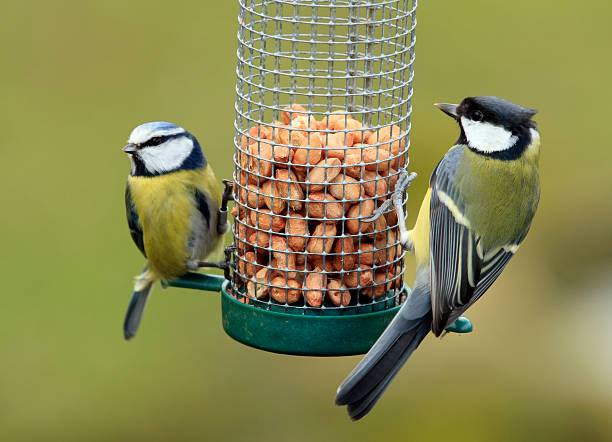
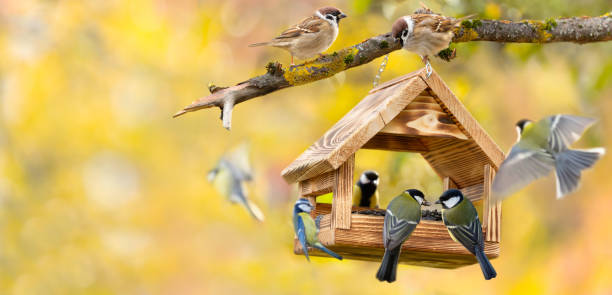
Sustainability is one of the biggest priorities in 2026 garden design.
Ways to support biodiversity:
- Plant native species
- Add bird feeders or pollinator-friendly flowers
- Avoid chemical pesticides
According to environmental experts, wildlife-friendly gardens contribute to healthier ecosystems and increased biodiversity.
Key Garden Decor Materials and Their Benefits:
Material Comparison Table:
| Material | Benefits | Best Use |
|---|---|---|
| Wood | Warm, natural appearance | Furniture, decking |
| Stone | Durable and weather-resistant | Pathways, borders |
| Terracotta | Breathable and classic | Planters |
| Metal | Adds contrast and structure | Furniture accents |
Choosing the right materials ensures both durability and aesthetic consistency.
How to Design a Functional Garden Layout:
A well-designed layout is essential for maximizing usability.
Step-by-Step Approach:
- Assess your space:
- Measure dimensions and observe sunlight patterns
- Define clear zones:
- Separate seating, dining, and planting areas
- Plan pathways carefully:
- Ensure easy movement between zones
- Balance open space and decor:
- Avoid overcrowding with too many elements
This structured approach creates a garden that feels intentional and easy to navigate.
The Bigger Shift: Why Garden Decor Is Evolving:
Garden decor trends in 2026 reflect broader lifestyle and cultural changes.
Key insights include:
- Growing interest in outdoor living as an extension of the home
- Increased focus on mental wellbeing and relaxation spaces
- Strong emphasis on eco-conscious and sustainable practices
- Desire for personalized environments rather than uniform designs
From a wider perspective, gardens are becoming multi-purpose environments that support both lifestyle and wellbeing.
Final Thoughts:
The best garden decor ideas in 2026 are not about following strict rules or copying trends exactly. They are about creating a space that feels comfortable, functional, and connected to nature.
By focusing on cozy seating, natural materials, layered lighting, and sustainable choices, you can transform any outdoor space into a place you genuinely enjoy spending time in.
In the end, the most successful gardens are not the most complex ones. They are the ones that feel inviting, practical, and uniquely yours.