Dark Moody Living Rooms Are Taking Over: 15 Designer Ideas That Instantly Elevate Your Space:
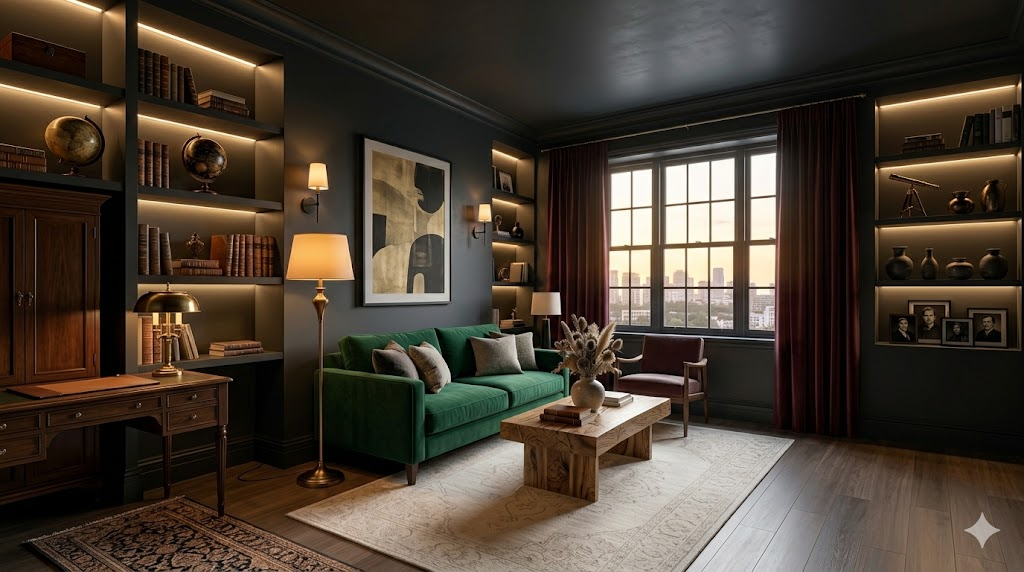
A dark moody living room is no longer a risky design choice. It is quickly becoming one of the most desirable interior trends for homeowners who want depth, sophistication, and comfort in one space.
Instead of bright, all-white interiors, designers are embracing rich tones, layered lighting, and tactile materials that create a cozy yet dramatic atmosphere. According to recent interior design insights, this shift reflects a growing preference for personalized, emotionally engaging spaces over sterile minimalism.
But achieving this look is not just about going dark. The real question is: how do you make a dark moody living room feel luxurious instead of overwhelming? The answer lies in balance, layering, and intentional design choices that work together to create harmony.
Dark Moody Living Room Transformation Ideas for Depth and Comfort.
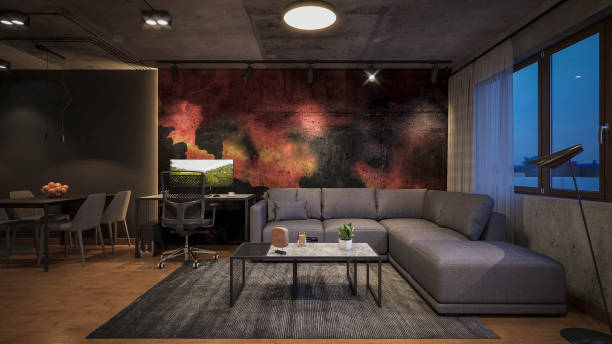
The modern dark moody living room is not just about painting walls black. It is about creating a layered environment where color, light, and materials work together. When done correctly, these spaces feel inviting, warm, and visually rich rather than heavy or closed in.
Below are 15 designer-inspired ideas to help you achieve that transformation.
1. Embrace Deep, Saturated Wall Colors:
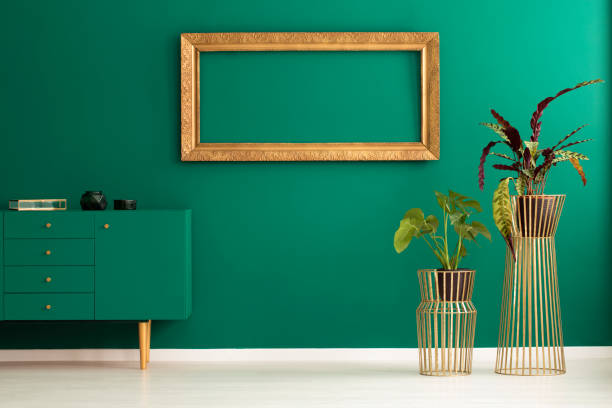
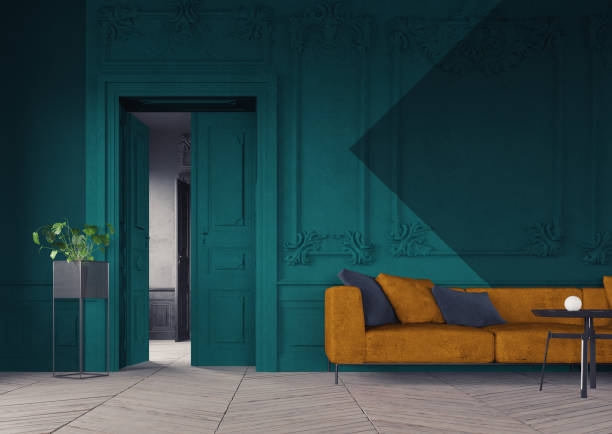
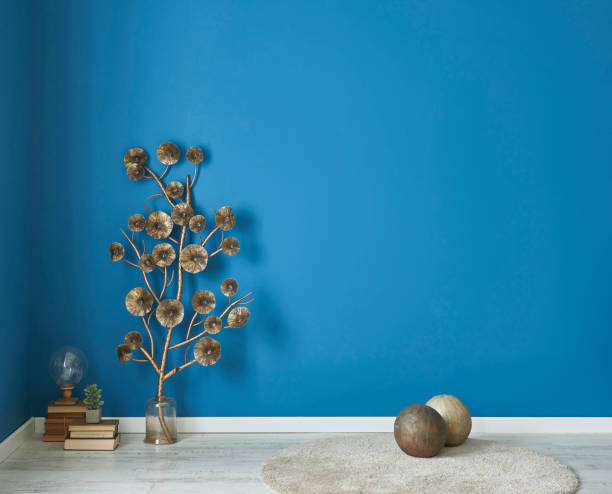
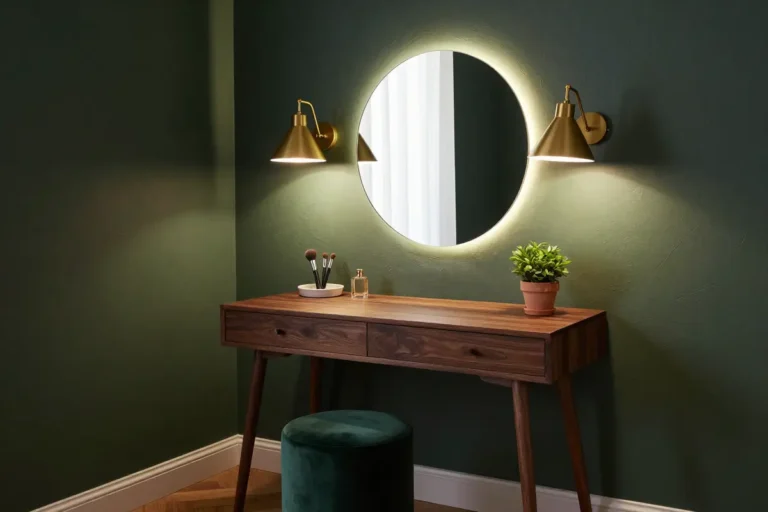
The foundation of a dark moody living room starts with color. Shades like charcoal, deep green, navy, and burgundy are dominating current trends.
These tones add instant depth and sophistication. According to design experts, darker palettes create a cocooning effect that makes spaces feel more intimate and calming.
For best results, consider color drenching by painting walls, trim, and even ceilings in similar tones. This removes harsh visual breaks and creates a seamless, enveloping look that feels intentional and refined.
2. Layer Lighting for Atmosphere:
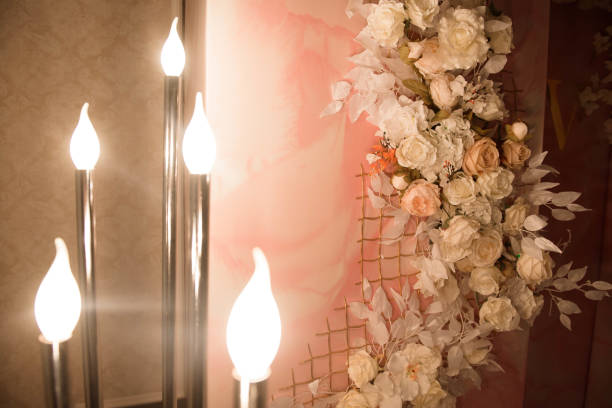
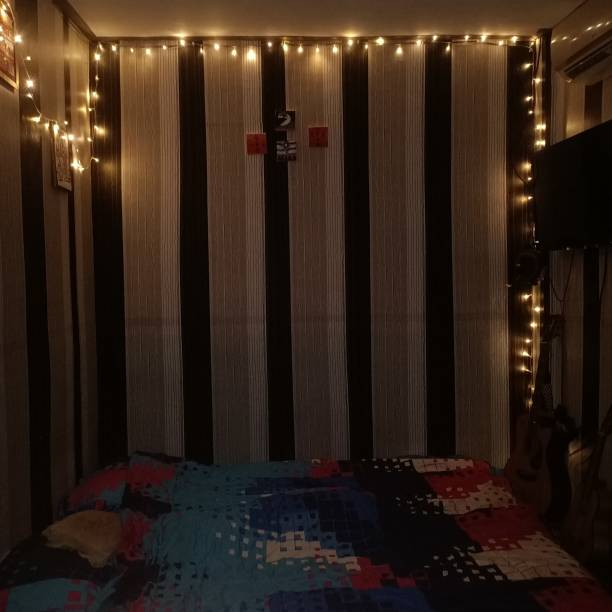
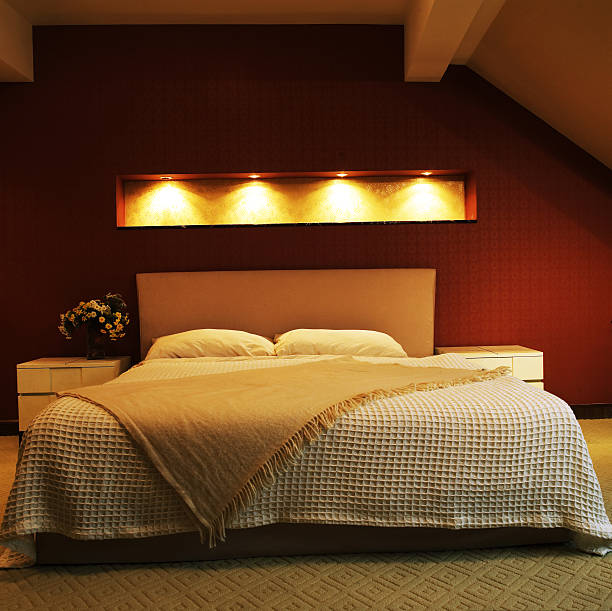
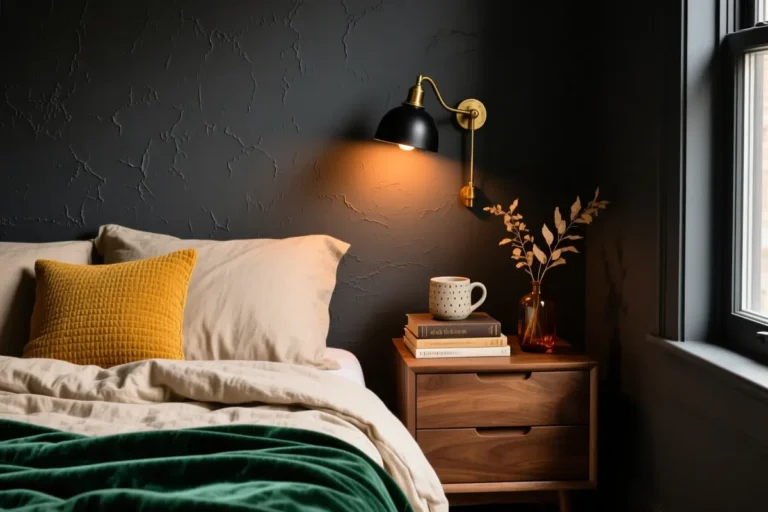
Lighting is the most important element in a dark interior. A single overhead light will flatten the space and remove the depth you are trying to create.
Instead, use a layered approach:
- Ambient lighting for overall glow
- Task lighting for functionality
- Accent lighting to highlight features
Warm light temperatures between 2700K and 3000K help maintain a cozy feel. Adding dimmers allows you to adjust brightness based on mood and time of day.
This layered approach ensures your room feels dynamic rather than dull.
3. Add Luxurious Textures:
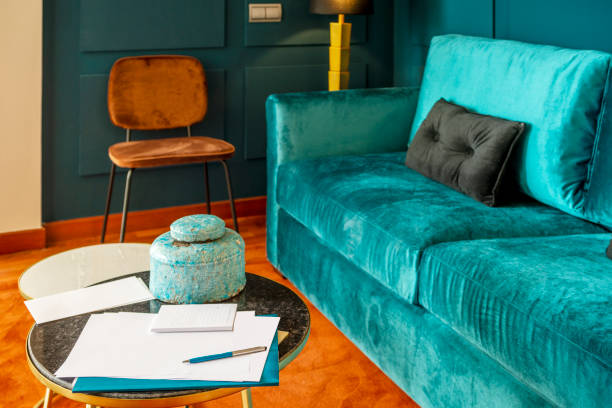
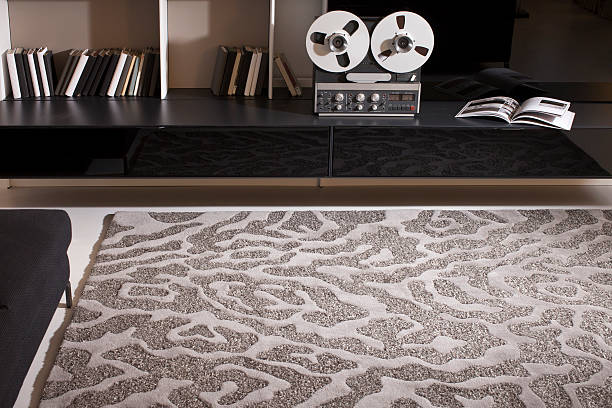

Dark spaces thrive on texture. Without it, the room can feel flat or overly heavy.
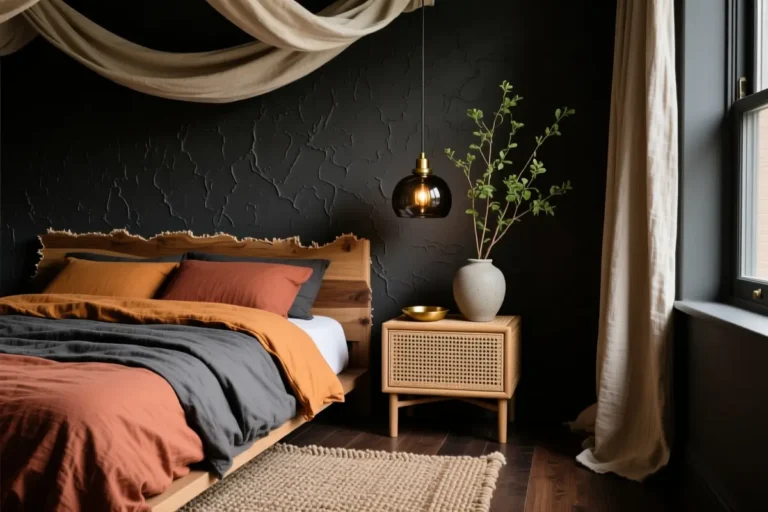
Incorporate materials like velvet, leather, wool, boucle, and linen. These fabrics interact with light differently and create subtle variations that add richness.
A velvet sofa, textured throw, or layered rug can instantly elevate the entire room. Mixing textures is key to making the space feel visually engaging.
4. Introduce Natural Wood Elements:
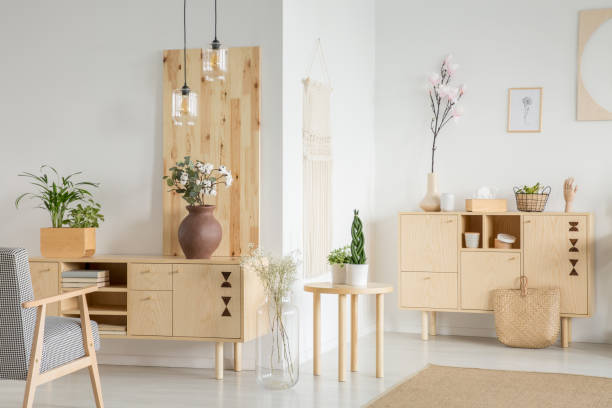
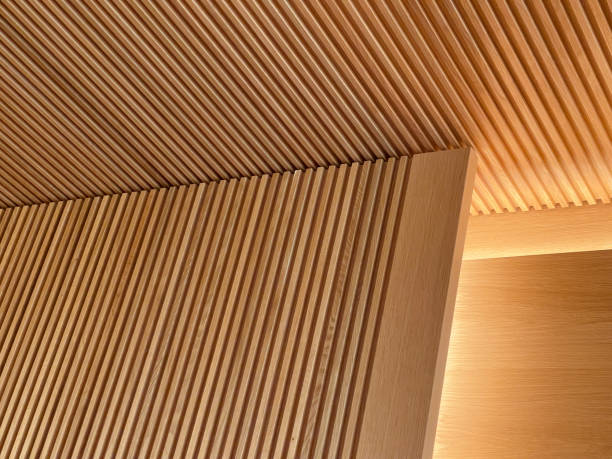
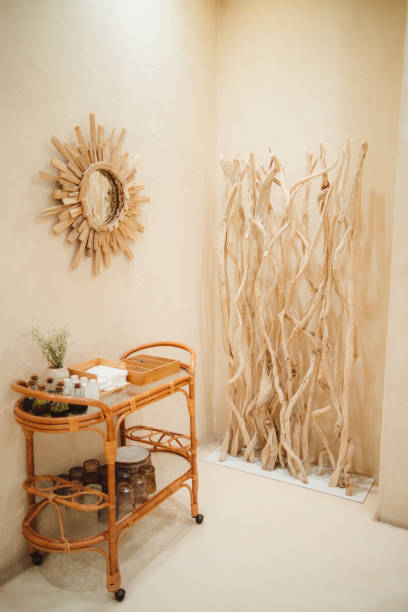
Wood balances dark tones beautifully. Rich finishes like walnut or mahogany add warmth and prevent the space from feeling too cold.
Use wood in furniture, flooring, shelving, or accent decor. Even smaller touches like wooden trays or frames can soften the intensity of darker palettes.
This combination creates a grounded, organic look that feels both modern and timeless.
5. Use Statement Lighting Fixtures:
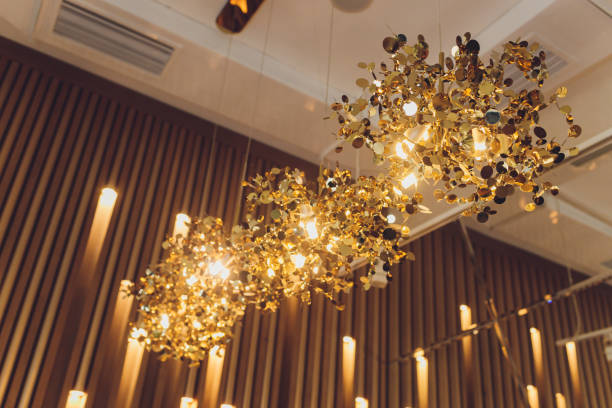
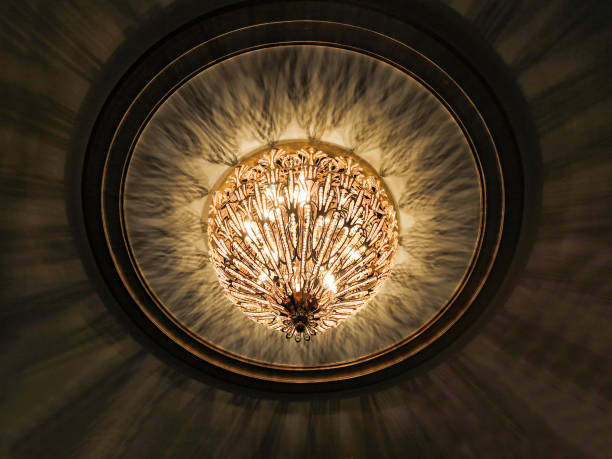
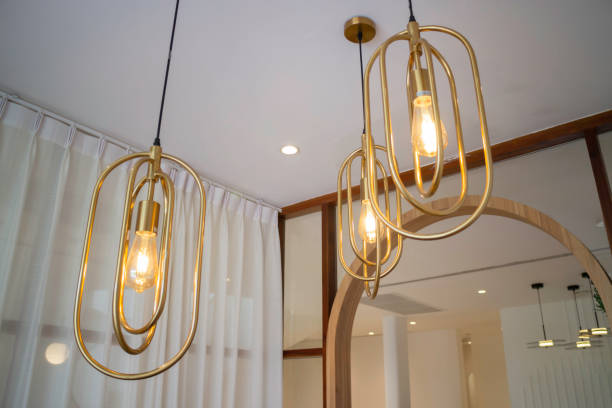
Bold lighting fixtures double as decor. Chandeliers, sculptural lamps, or oversized pendants can act as focal points in the room.
In darker spaces, these elements stand out more dramatically. Metallic finishes like brass or gold enhance the contrast and add elegance.
Choosing a unique fixture can instantly elevate the overall aesthetic without needing major changes.
6. Incorporate Metallic Accents:
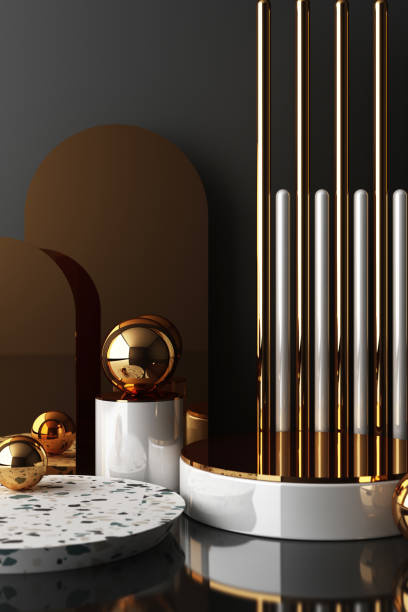
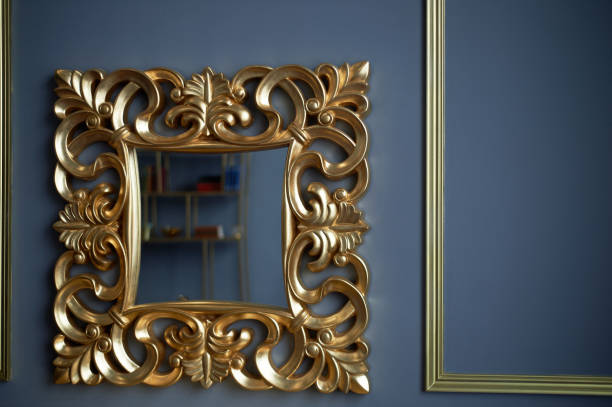
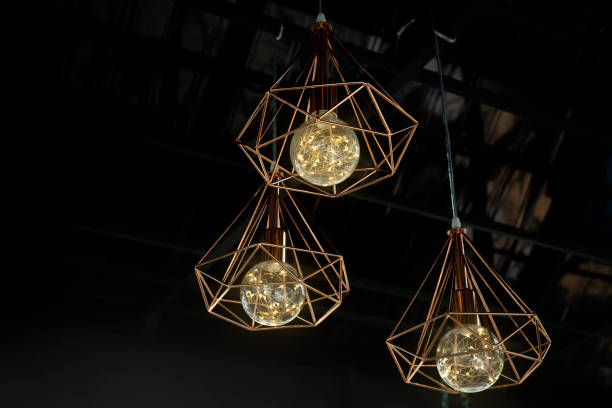
Metallic elements bring brightness into a dark palette. Brass, gold, bronze, and even matte black metals are popular choices.
Use them in:
- Light fixtures
- Mirror frames
- Decorative accessories
These accents reflect light and add a subtle glow that prevents the room from feeling too heavy.
7. Add Contrast with Light Elements:
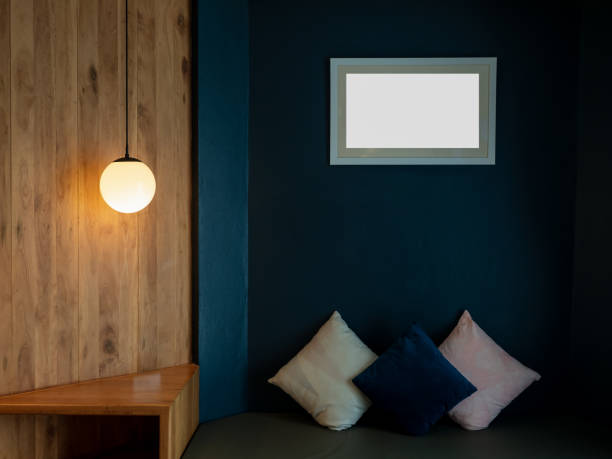
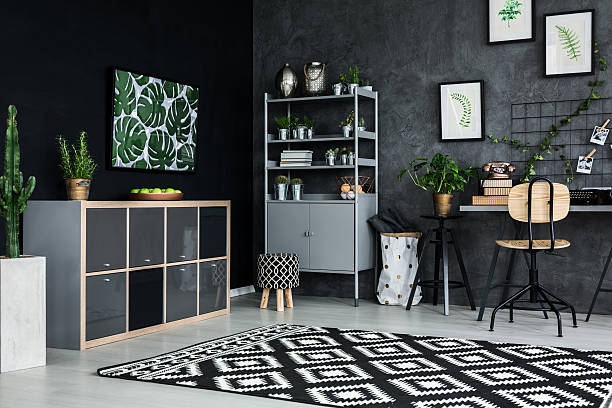
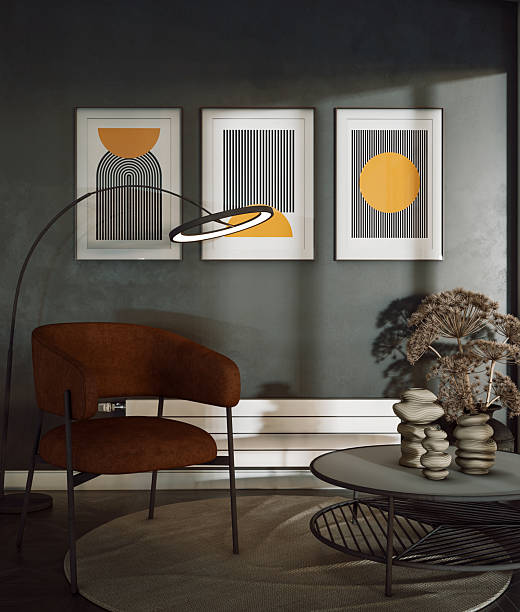
A completely dark room can feel overwhelming if not balanced properly. Introducing lighter elements creates contrast and visual relief.
This could include:
- Light-colored cushions
- Neutral rugs
- Artwork with brighter tones
Contrast helps define different areas of the room and keeps the design visually interesting.
8. Create a Feature Wall:
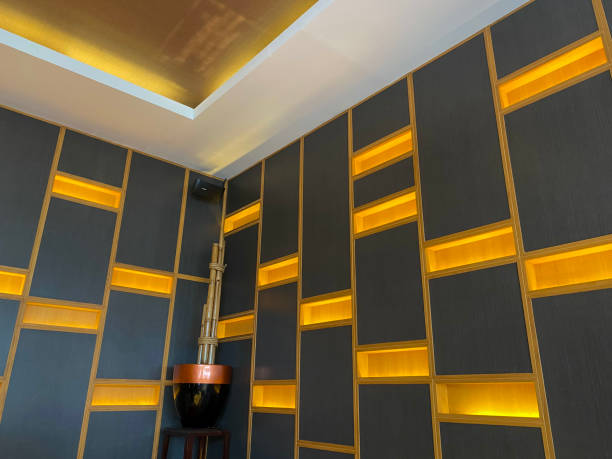
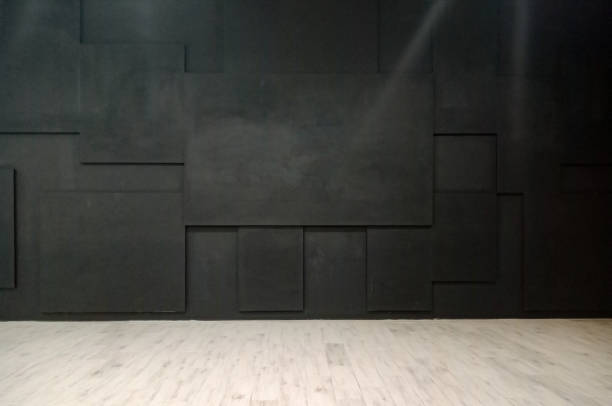
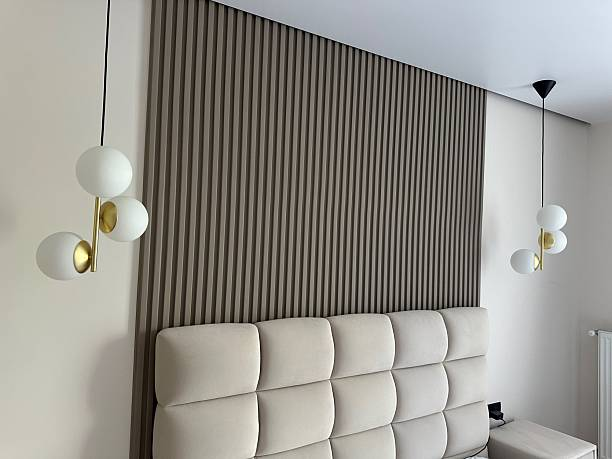
A feature wall adds dimension and personality. Instead of flat paint, consider textured panels, wood slats, or patterned wallpaper.
This technique draws attention and gives the room a focal point. It also allows you to experiment with bold designs without committing to every wall.
Feature walls are especially effective in breaking up darker tones.
9. Use Large-Scale Artwork:
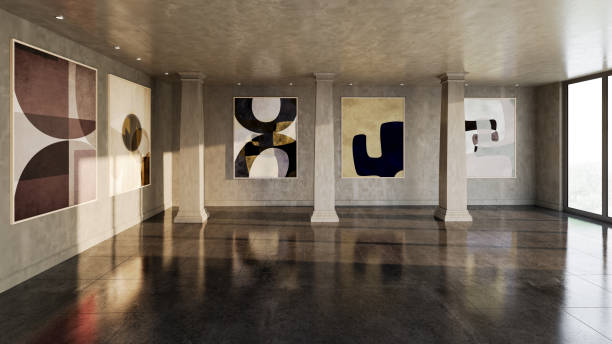
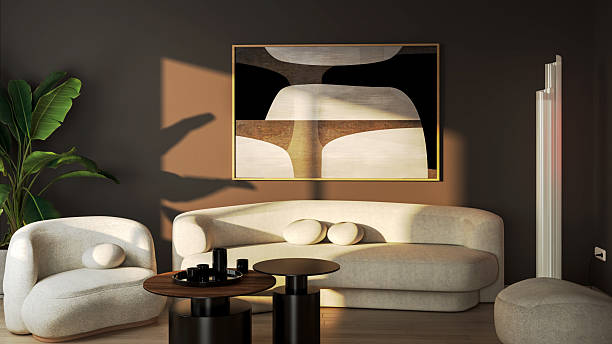
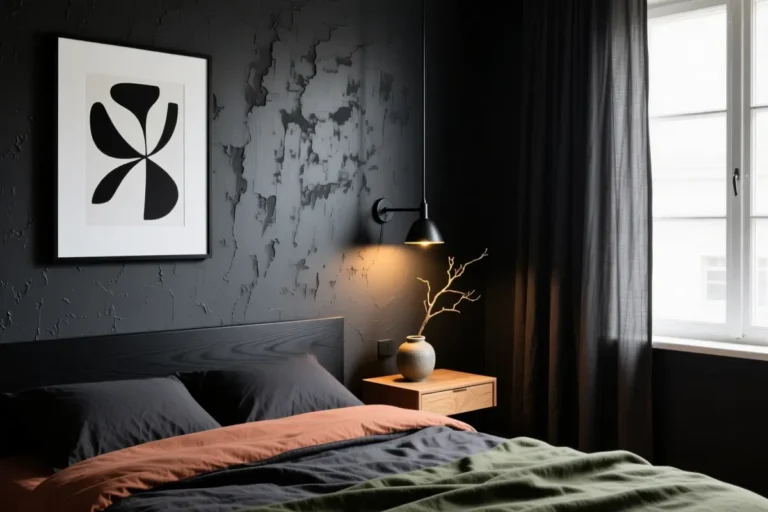
Artwork plays a key role in defining the mood of your space. Large pieces with bold or abstract designs work particularly well in dark interiors.
They break up solid walls and introduce color, movement, and personality. Oversized artwork is increasingly popular because it creates impact without clutter.
Choose pieces that complement your palette while adding contrast.
10. Incorporate Greenery:
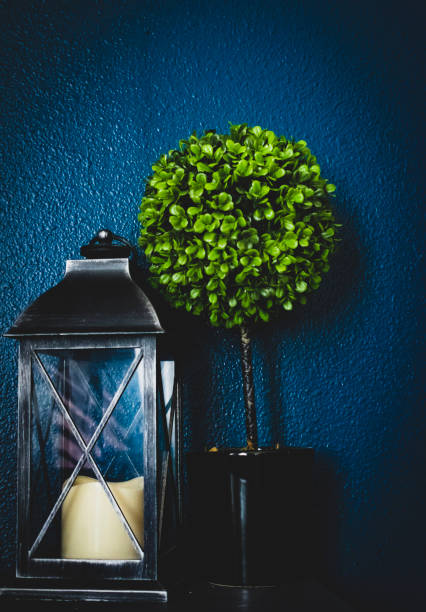
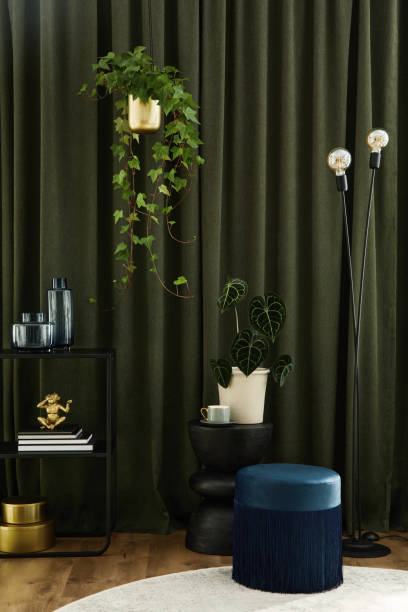
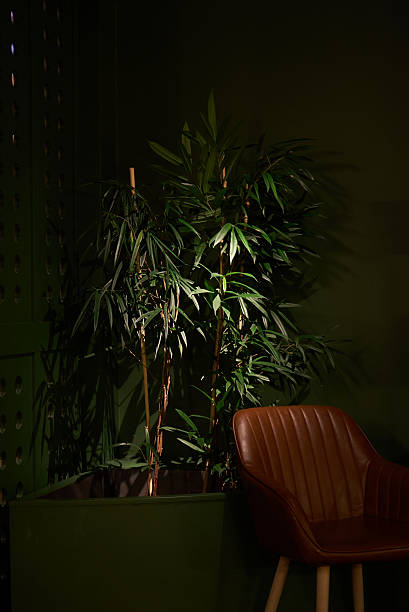
Plants bring life and freshness into dark interiors. Their natural green tones contrast beautifully with deep colors.
Low-light plants like snake plants, pothos, and ferns work well in these settings. They soften the space and add an organic touch.
In addition to aesthetics, plants improve air quality and create a calming environment.
11. Choose the Right Flooring:
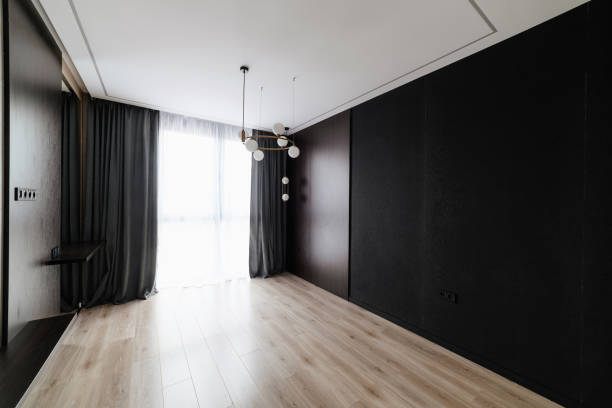
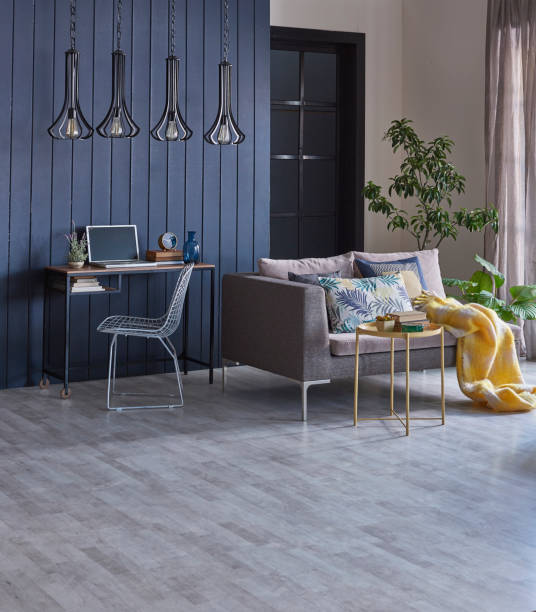
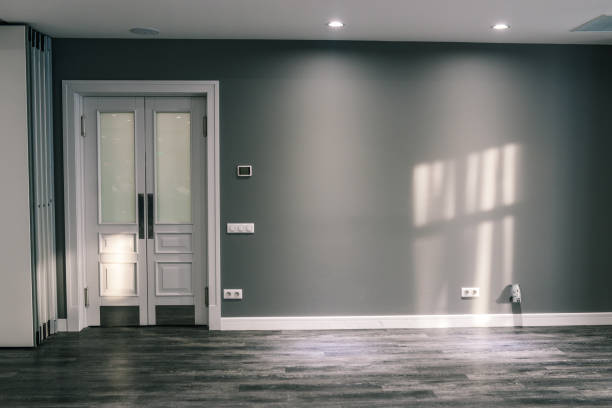
Flooring can either enhance or disrupt the mood. Dark wood floors create a seamless, dramatic look, while lighter floors add contrast and balance.
Rugs are essential for warmth and texture. Layering rugs is also becoming a popular trend, especially in cozy living spaces.
Choose materials that feel soft and inviting to complement the overall atmosphere.
12. Add Built-In Shelving:
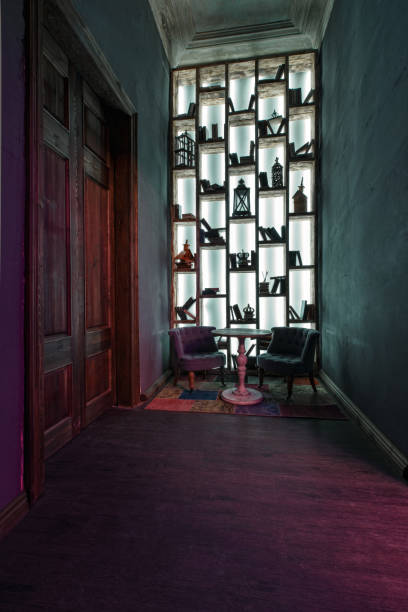
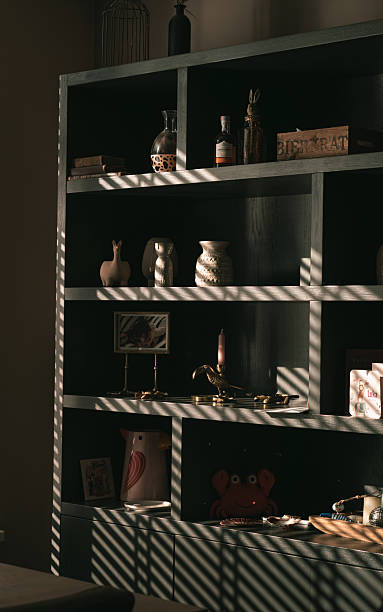
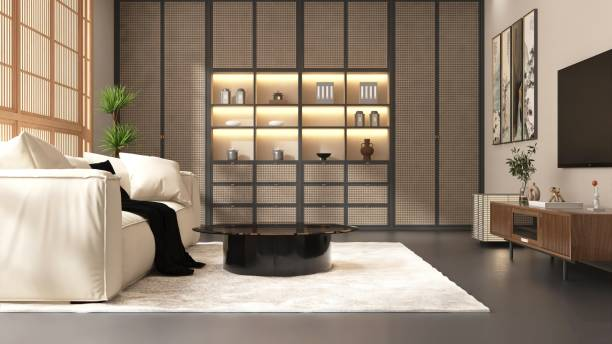
Built-in shelves provide both storage and visual depth. When painted in dark tones, they blend seamlessly with the walls.
Use them to display books, decor, and personal items. This adds character and makes the room feel curated rather than empty.
It also helps maintain organization without adding bulky furniture.
13. Incorporate Cozy Seating Arrangements:
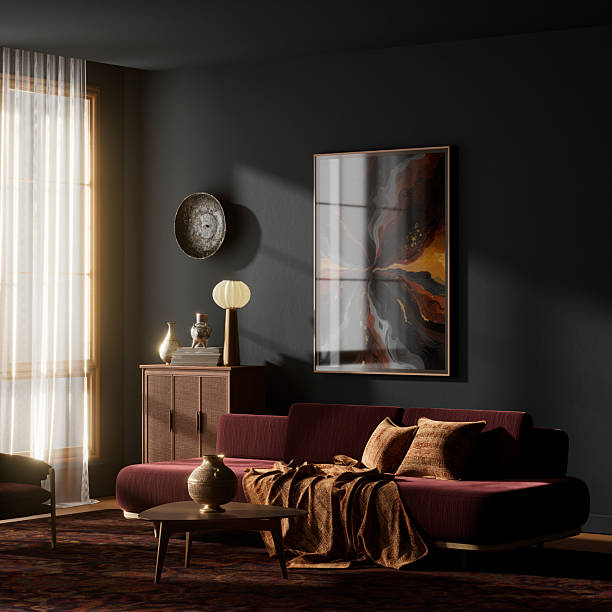
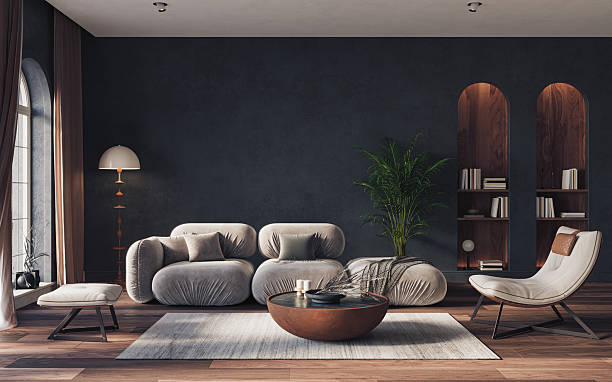
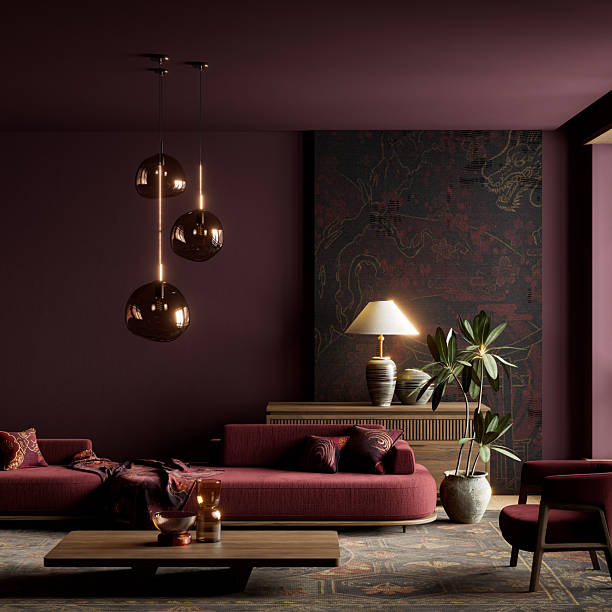
Comfort is essential in a dark moody living room. Arrange seating to encourage relaxation and conversation.
Sectional sofas, armchairs, and ottomans work well together. Layer them with cushions and throws to enhance comfort.
A well-designed seating area makes the room feel inviting and livable, not just visually appealing.
14. Experiment with Matte Finishes:
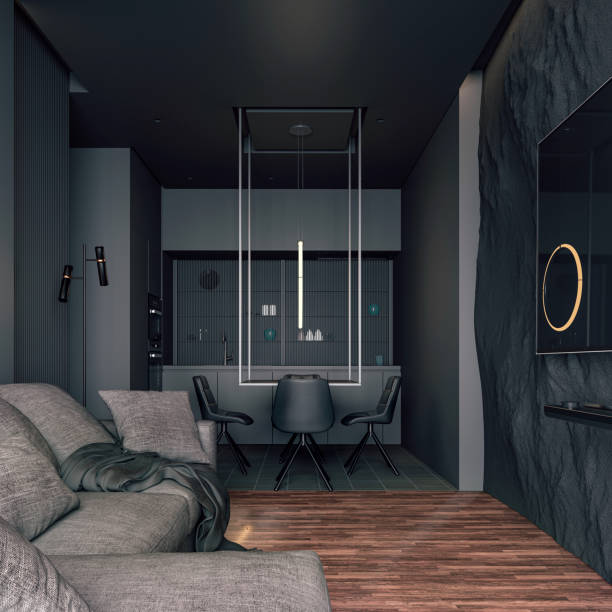
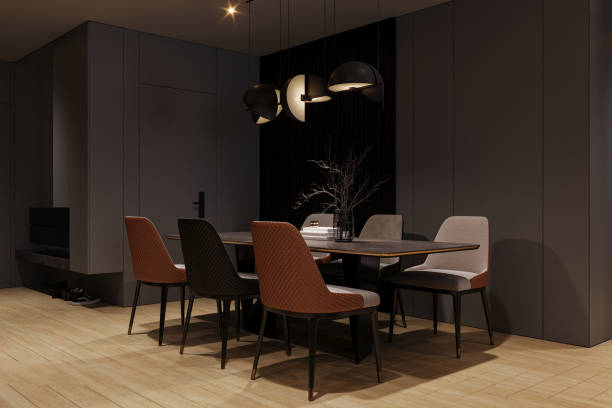
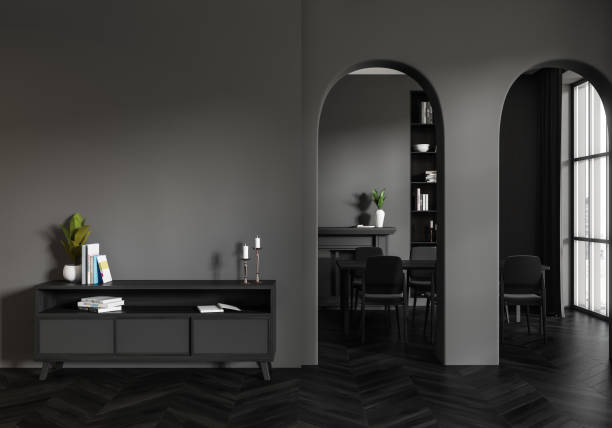
Matte finishes are trending because they absorb light rather than reflect it. This enhances the depth of darker tones.
Use matte paint, cabinetry, or decor to create a soft, sophisticated look. It reduces glare and keeps the atmosphere calm.
Glossy finishes can still be used sparingly to create contrast and highlight specific elements.
15. Add Subtle Smart Lighting Features:
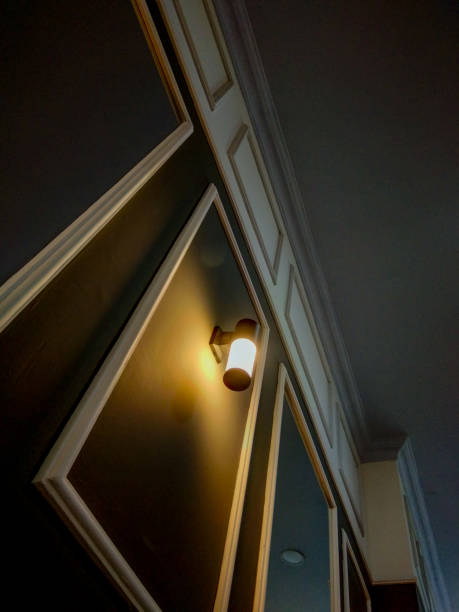
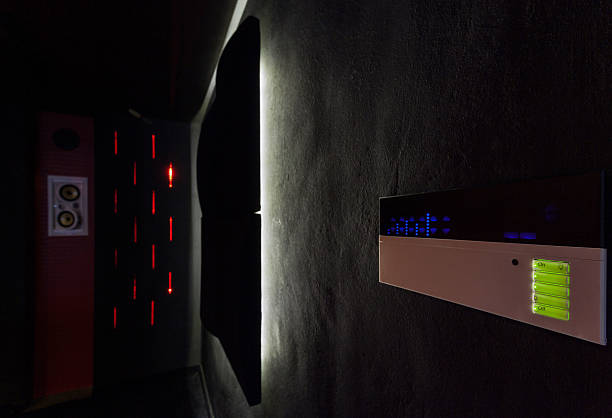
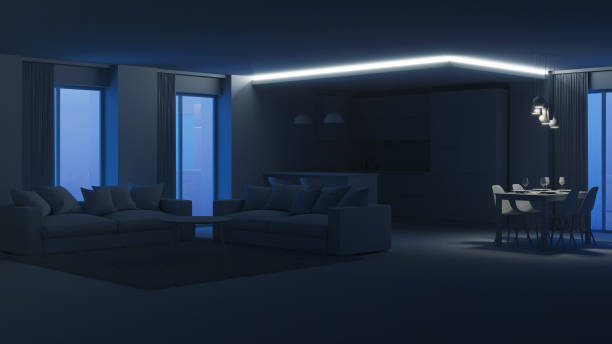
Technology is becoming an important part of modern interiors. Smart lighting allows you to control brightness, color temperature, and ambiance.
This flexibility helps maintain the perfect mood throughout the day. You can shift from bright and functional to soft and cozy with ease.
Reports suggest that smart features are becoming more common as homeowners prioritize convenience and personalized environments.
Key Design Principles for a Perfect Dark Moody Living Room:
To successfully design a dark moody living room, keep these principles in mind:
- Balance dark tones with lighter accents
- Focus on layered lighting instead of a single source
- Mix textures to add depth and interest
- Keep the layout functional and comfortable
- Avoid overcrowding the space
These principles ensure your design feels intentional rather than overwhelming.
Common Mistakes to Avoid:
Even well-designed dark interiors can go wrong if certain mistakes are made:
- Using only one type of lighting
- Ignoring texture, leading to a flat look
- Overloading the space with too many dark elements
- Skipping contrast entirely
- Choosing the wrong paint finish
Avoiding these issues will help you achieve a more polished and professional result.
The Bigger Design Shift Behind This Trend:
The rise of dark moody living rooms reflects a broader change in interior design philosophy. People are moving away from generic, bright spaces and toward environments that feel personal, expressive, and emotionally engaging.
Darker interiors create a sense of intimacy and comfort that is often missing in minimal designs. They encourage relaxation and make spaces feel more grounded.
This shift is expected to continue as homeowners prioritize atmosphere and individuality over traditional design rules.
Final Thoughts:
A dark moody living room is more than just a trend. It is a design approach that combines depth, comfort, and personality in a way that feels both modern and timeless.
With the right balance of color, lighting, texture, and layout, you can create a space that feels luxurious without being overwhelming.
Start with small changes, experiment with different elements, and build your design gradually. With thoughtful planning, your living room can become a sophisticated retreat that truly reflects your style.